Blue Zebra
Pseudotropheus Zebra
Out of Stock
Scarce stock
Wild Caught
Easy care
Not Reef Safe
SKU: 01-A-02-074-01
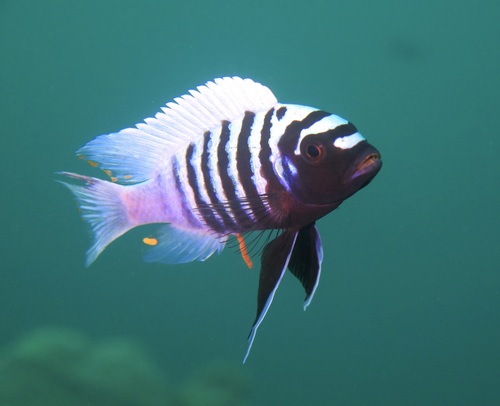
The Blue Zebra is a striking freshwater fish known for its vibrant colors and unique patterns.
Pricing for Verified Importers
Log in to see wholesale prices and order.
Export Size
up to 12.0 cm
Origin
Lake Malawi
Temperature
24.0–28.0°C
Min. Tank Size
150 L
pH
7.50–8.50
Diet
omnivore
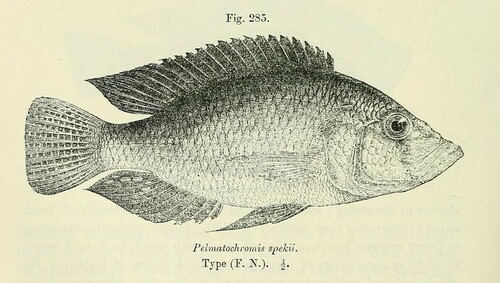
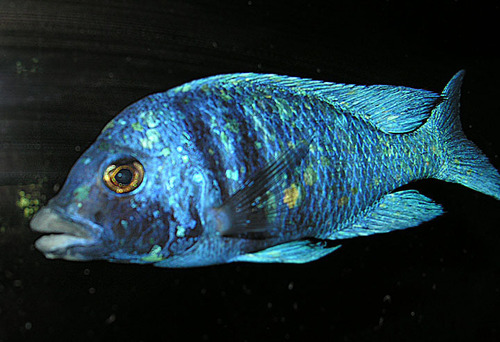
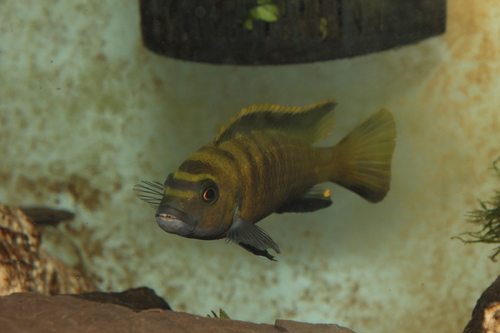
The Blue Zebra (Pseudotropheus Zebra) is a captivating cichlid species native to the rocky shores of Lake Malawi in East Africa. This species is popular among aquarists due to its vibrant blue coloration and distinctive vertical black stripes, which create a striking contrast. Adult males tend to exhibit more intense coloration than females, making them particularly sought after for display aquariums. The Blue Zebra can reach a maximum size of about 12 cm, making it suitable for a variety of tank setups.
In terms of behavior, Blue Zebras are known to be semi-aggressive, especially during breeding periods. They are territorial fish that establish dominance within their environment, which can lead to disputes with tank mates. However, when housed in a spacious aquarium with plenty of hiding spots, their aggression can be managed. Their natural habitat consists of rocky crevices where they find shelter and breeding sites, emphasizing the importance of providing similar structures in captivity.
The Blue Zebra thrives in a freshwater environment, primarily preferring slightly alkaline water conditions. They are predominantly found in depths of 5 to 25 meters, where they forage for food among the rocks. This species feeds primarily on smaller invertebrates and algae, showcasing a natural inclination towards an omnivorous diet. Understanding their natural history is essential for creating an optimal environment that mimics their native habitat.
In terms of social structure, Blue Zebras exhibit a complex hierarchy in the wild, often seen in small groups. Their vibrant colors and dynamic behaviors make them a popular choice for community tanks, provided they are paired with compatible species. Overall, the Blue Zebra is not only a visually stunning addition to any aquarium but also a species that offers insight into the diverse behaviors of African cichlids.
In terms of behavior, Blue Zebras are known to be semi-aggressive, especially during breeding periods. They are territorial fish that establish dominance within their environment, which can lead to disputes with tank mates. However, when housed in a spacious aquarium with plenty of hiding spots, their aggression can be managed. Their natural habitat consists of rocky crevices where they find shelter and breeding sites, emphasizing the importance of providing similar structures in captivity.
The Blue Zebra thrives in a freshwater environment, primarily preferring slightly alkaline water conditions. They are predominantly found in depths of 5 to 25 meters, where they forage for food among the rocks. This species feeds primarily on smaller invertebrates and algae, showcasing a natural inclination towards an omnivorous diet. Understanding their natural history is essential for creating an optimal environment that mimics their native habitat.
In terms of social structure, Blue Zebras exhibit a complex hierarchy in the wild, often seen in small groups. Their vibrant colors and dynamic behaviors make them a popular choice for community tanks, provided they are paired with compatible species. Overall, the Blue Zebra is not only a visually stunning addition to any aquarium but also a species that offers insight into the diverse behaviors of African cichlids.
When caring for Blue Zebras, maintaining optimal water parameters is crucial. The ideal temperature range is between 24°C to 28°C, with a pH level between 7.5 and 8.5. Regular water changes and proper filtration will help maintain water quality, as they are sensitive to poor conditions.
Feeding Blue Zebras is relatively straightforward; they thrive on a varied diet that includes high-quality pellets, flakes, and occasional treats of frozen or live foods such as brine shrimp or bloodworms. It’s advisable to feed them small portions multiple times a day to mimic their natural foraging behavior.
Compatibility is key when selecting tank mates for Blue Zebras. They coexist well with other cichlids of similar size but may become aggressive towards smaller or more docile species. It's recommended to keep them in groups to diffuse aggression, with a ratio of one male to multiple females to reduce stress. Proper acclimation is necessary when introducing new fish; slowly acclimate them to the tank environment over several hours before fully introducing them.
Quarantining new arrivals for at least two weeks is essential to prevent the spread of diseases. This process allows for monitoring and treatment if necessary, ensuring a healthier community tank. With the right care, Blue Zebras can thrive and display their stunning colors for years to come.
Feeding Blue Zebras is relatively straightforward; they thrive on a varied diet that includes high-quality pellets, flakes, and occasional treats of frozen or live foods such as brine shrimp or bloodworms. It’s advisable to feed them small portions multiple times a day to mimic their natural foraging behavior.
Compatibility is key when selecting tank mates for Blue Zebras. They coexist well with other cichlids of similar size but may become aggressive towards smaller or more docile species. It's recommended to keep them in groups to diffuse aggression, with a ratio of one male to multiple females to reduce stress. Proper acclimation is necessary when introducing new fish; slowly acclimate them to the tank environment over several hours before fully introducing them.
Quarantining new arrivals for at least two weeks is essential to prevent the spread of diseases. This process allows for monitoring and treatment if necessary, ensuring a healthier community tank. With the right care, Blue Zebras can thrive and display their stunning colors for years to come.
Blue Zebras are suitable for shipping, but care must be taken to ensure their health during transit. They should be packed in breathable bags with enough water to maintain optimal conditions. The recommended packing density is 1 fish per liter to minimize stress. Temperature should be maintained between 24°C and 28°C during shipping, as they are sensitive to extreme fluctuations. No CITES status is applicable for this species.
Species Parameters
Max Adult Size
12.0 cm
Origin
Lake Malawi
Diet
omnivore
Temp Min
24.0 °C
Temp Max
28.0 °C
pH Min
7.50
pH Max
8.50
Min Tank
150 L