ELECTRIC FENSTRATUS
Protomelas Fenestratus
Out of Stock
Scarce stock
Wild Caught
Moderate care
Not Reef Safe
SKU: 01-A-02-046-04
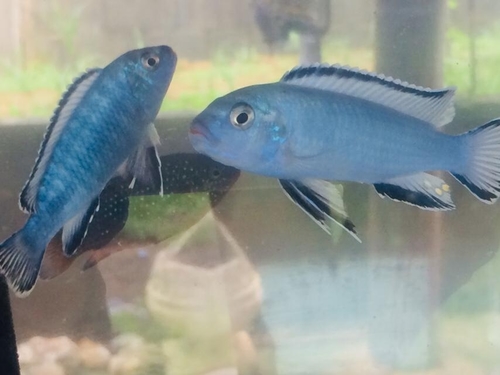
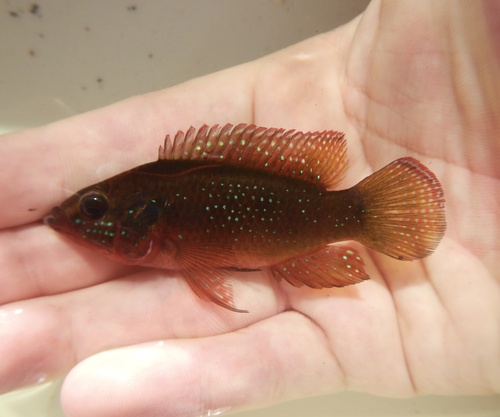
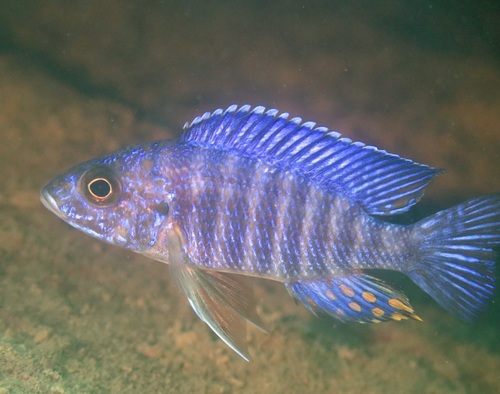
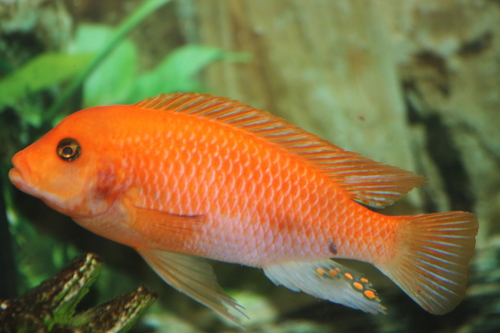
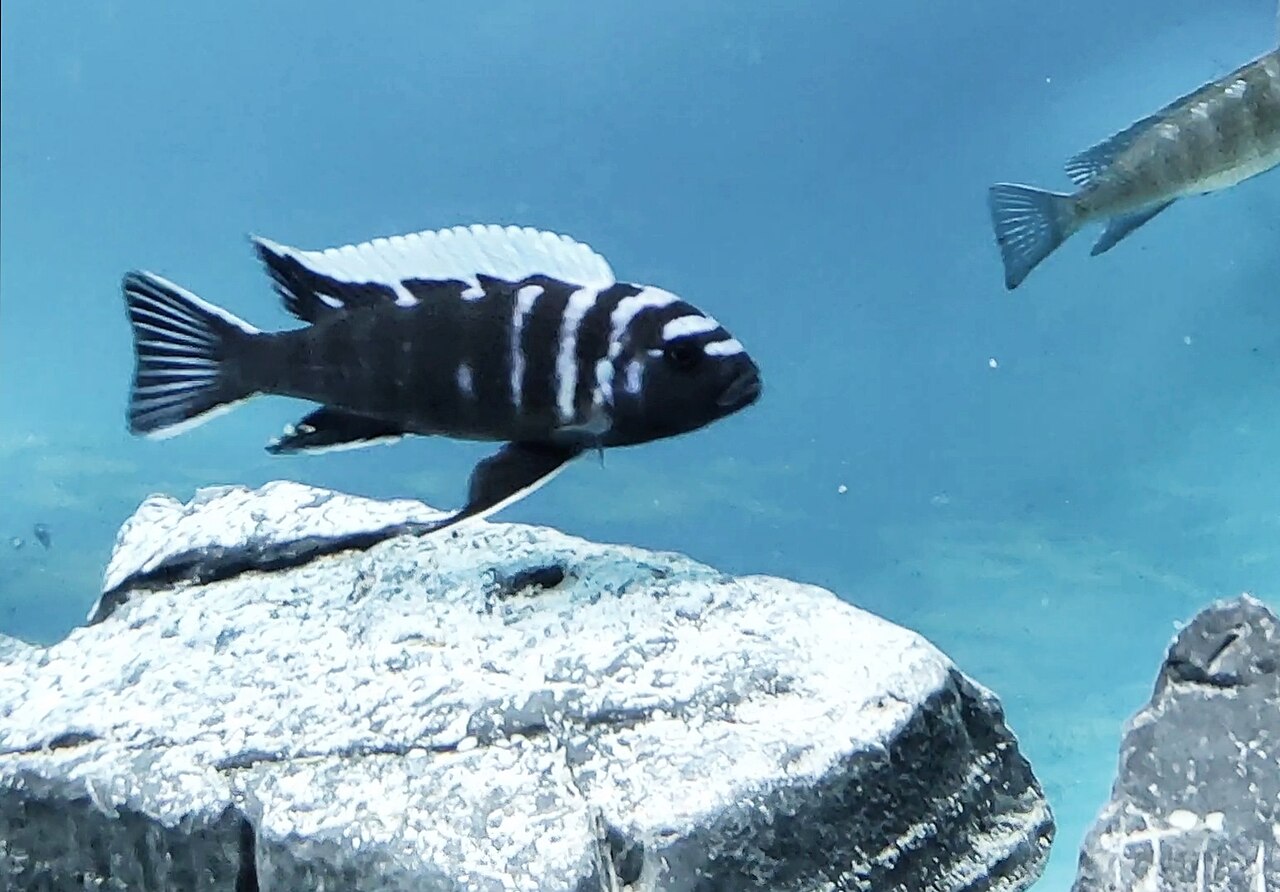
The Electric Fenstratus captivates with its vibrant colors and unique patterns.
Pricing for Verified Importers
Log in to see wholesale prices and order.
Export Size
up to 15.0 cm
Origin
African Great Lakes
Temperature
24.0–28.0°C
Min. Tank Size
200 L
pH
7.50–8.50
Diet
carnivore
The Electric Fenstratus, scientifically known as Protomelas fenestratus, is a striking freshwater fish native to the African Great Lakes, particularly Lake Tanganyika. This species is renowned for its dazzling coloration, which features bright blue and yellow hues that can vary among individuals. The vivid patterns not only serve as a visual delight but also play a crucial role in social interactions and mating displays, making them a favorite among aquarium enthusiasts.
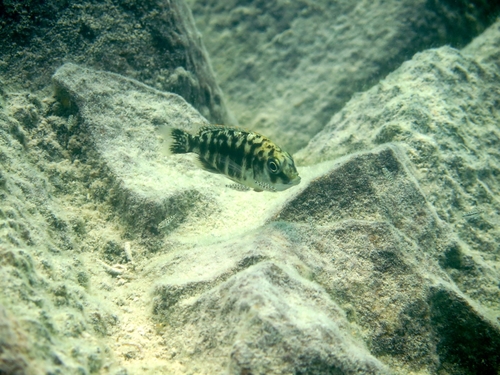
In terms of natural history, the Electric Fenstratus is primarily found in rocky substrates where it can hide from predators and establish territories. These fish are known for their social behavior, often forming small groups within their natural habitat. Unlike many other species, they exhibit a level of hierarchy and territoriality, which can be fascinating to observe in an aquarium setting. They are also known to exhibit unique courtship behaviors that are elaborate and visually captivating.
Electric Fenstratus thrive in well-structured environments that mimic their natural habitats. They prefer areas with ample hiding spots and territories to explore. Their energetic nature makes them a lively addition to any aquarium, as they are known to be active swimmers, often displaying their vivid colors as they dart among rocks and plants. Proper tank mates include other cichlids that share similar temperaments and environmental requirements, as they can be territorial with other species.
Overall, the Electric Fenstratus is not only a visual highlight but also an engaging species that adds dynamic interactions to community tanks, making them a prized choice for aquarists looking to showcase vibrant and lively fish.
In terms of natural history, the Electric Fenstratus is primarily found in rocky substrates where it can hide from predators and establish territories. These fish are known for their social behavior, often forming small groups within their natural habitat. Unlike many other species, they exhibit a level of hierarchy and territoriality, which can be fascinating to observe in an aquarium setting. They are also known to exhibit unique courtship behaviors that are elaborate and visually captivating.
Electric Fenstratus thrive in well-structured environments that mimic their natural habitats. They prefer areas with ample hiding spots and territories to explore. Their energetic nature makes them a lively addition to any aquarium, as they are known to be active swimmers, often displaying their vivid colors as they dart among rocks and plants. Proper tank mates include other cichlids that share similar temperaments and environmental requirements, as they can be territorial with other species.
Overall, the Electric Fenstratus is not only a visual highlight but also an engaging species that adds dynamic interactions to community tanks, making them a prized choice for aquarists looking to showcase vibrant and lively fish.
To successfully care for Electric Fenstratus, it is essential to maintain appropriate water parameters. The optimal temperature range is between 24°C to 28°C, with a pH level maintained between 7.5 and 8.5. Water hardness should be kept in the range of 10 to 20 dGH to ensure a healthy environment. A minimum tank size of 200 liters is recommended to provide ample space for swimming and territorial establishment.
Feeding Electric Fenstratus is straightforward, as they are primarily carnivorous. A diet consisting of high-quality pellets, freeze-dried foods, and occasional live or frozen foods like brine shrimp and bloodworms will keep them healthy and vibrant. It's important to feed them multiple small portions throughout the day to mimic their natural feeding behavior.
Compatibility is crucial when housing Electric Fenstratus, as they can be territorial, especially during breeding. It is advisable to keep them with similarly sized cichlids or other robust fish to avoid stress and aggression. Acclimation should be done gradually by floating the sealed bag in the tank for about 15-20 minutes before introducing them to the aquarium, allowing them to adjust to the water temperature.
Quarantine new arrivals for at least two weeks in a separate tank to monitor for any signs of illness or stress, which will help maintain the health of the main aquarium. Regular water changes and maintenance will further ensure the well-being of this captivating species.
Feeding Electric Fenstratus is straightforward, as they are primarily carnivorous. A diet consisting of high-quality pellets, freeze-dried foods, and occasional live or frozen foods like brine shrimp and bloodworms will keep them healthy and vibrant. It's important to feed them multiple small portions throughout the day to mimic their natural feeding behavior.
Compatibility is crucial when housing Electric Fenstratus, as they can be territorial, especially during breeding. It is advisable to keep them with similarly sized cichlids or other robust fish to avoid stress and aggression. Acclimation should be done gradually by floating the sealed bag in the tank for about 15-20 minutes before introducing them to the aquarium, allowing them to adjust to the water temperature.
Quarantine new arrivals for at least two weeks in a separate tank to monitor for any signs of illness or stress, which will help maintain the health of the main aquarium. Regular water changes and maintenance will further ensure the well-being of this captivating species.
Electric Fenstratus are suitable for air shipping under proper conditions. Packing density should be moderate to allow for adequate movement during transit. Temperature stability is crucial, and it is recommended to ship them within the range of 24°C to 28°C. There are currently no CITES restrictions on this species, simplifying export compliance for wholesalers.
Species Parameters
Max Adult Size
15.0 cm
Origin
African Great Lakes
Diet
carnivore
Temp Min
24.0 °C
Temp Max
28.0 °C
pH Min
7.50
pH Max
8.50
Min Tank
200 L