Malawi Trout
Champsochromis caeruleus
Out of Stock
Scarce stock
Wild Caught
Moderate care
Not Reef Safe
SKU: 01-A-02-015-01
The Malawi Trout is a stunningly vibrant species, known for its striking colors and engaging behavior.
Pricing for Verified Importers
Log in to see wholesale prices and order.
Export Size
up to 20.0 cm
Origin
Africa
Temperature
24.0–28.0°C
Min. Tank Size
200 L
pH
7.50–8.50
Diet
carnivore
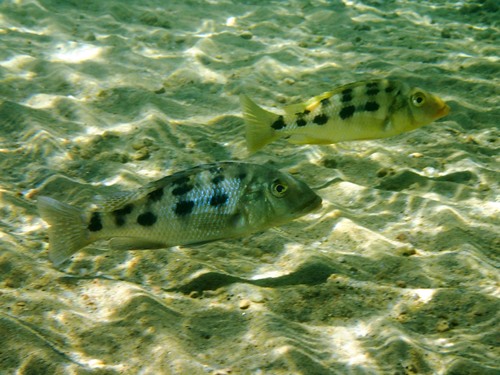
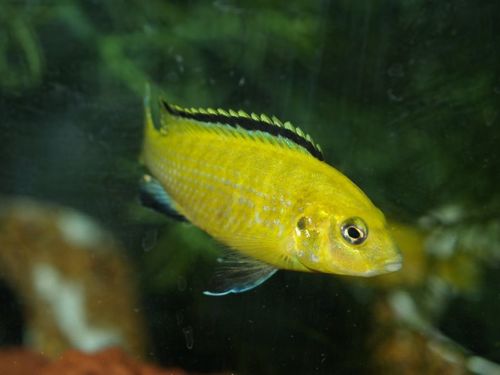
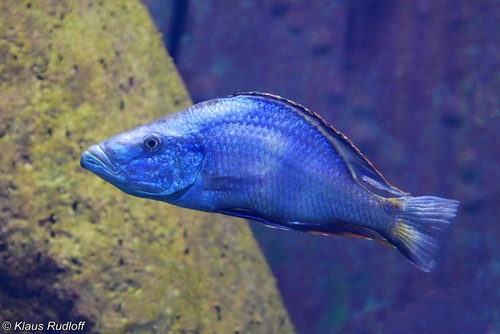
The Malawi Trout (Champsochromis caeruleus) is a captivating freshwater fish native to the rocky shores of Lake Malawi in East Africa. Renowned for its vivid blue and yellow coloration, this species showcases a unique beauty that captivates aquarists and enthusiasts alike. As a member of the Cichlidae family, the Malawi Trout exhibits a streamlined body that can reach lengths of up to 20 cm, making it a striking addition to any aquarium. Its elongated fins and distinctively patterned scales further enhance its appeal, drawing attention and admiration from onlookers.
In its natural habitat, the Malawi Trout prefers rocky environments where it can find ample hiding spots and breeding areas. It is a carnivorous species, primarily feeding on smaller fish and invertebrates. This predatory behavior not only influences its role in the local ecosystem but also contributes to its dynamic and engaging presence in aquariums. Malawi Trout are known for their active swimming patterns and inquisitive nature, often exploring their surroundings and establishing territories within the tank.
Socially, Malawi Trout can be semi-aggressive, particularly during breeding periods. They are best kept in species-specific setups or with other cichlids that can tolerate their assertive behavior. Providing ample space and hiding spots is essential to reduce aggression and stress in the aquarium environment. Their vibrant colors and energetic movements make them a focal point in any aquatic display, appealing to both novice and experienced aquarists alike.
Overall, the Malawi Trout is not only an attractive addition to any freshwater aquarium but also a species that offers insights into the behaviors and interactions of cichlids in the wild. Ensuring they are kept in appropriate conditions will lead to a thriving and visually stunning aquarium experience.
In its natural habitat, the Malawi Trout prefers rocky environments where it can find ample hiding spots and breeding areas. It is a carnivorous species, primarily feeding on smaller fish and invertebrates. This predatory behavior not only influences its role in the local ecosystem but also contributes to its dynamic and engaging presence in aquariums. Malawi Trout are known for their active swimming patterns and inquisitive nature, often exploring their surroundings and establishing territories within the tank.
Socially, Malawi Trout can be semi-aggressive, particularly during breeding periods. They are best kept in species-specific setups or with other cichlids that can tolerate their assertive behavior. Providing ample space and hiding spots is essential to reduce aggression and stress in the aquarium environment. Their vibrant colors and energetic movements make them a focal point in any aquatic display, appealing to both novice and experienced aquarists alike.
Overall, the Malawi Trout is not only an attractive addition to any freshwater aquarium but also a species that offers insights into the behaviors and interactions of cichlids in the wild. Ensuring they are kept in appropriate conditions will lead to a thriving and visually stunning aquarium experience.
To successfully care for Malawi Trout, it is essential to maintain stable water parameters. The ideal temperature range for this species is between 24°C and 28°C, with a pH level between 7.5 and 8.5. A well-filtered environment with good water circulation will help keep the water quality high, which is crucial for their health. Regular water changes of about 20% every two weeks will assist in maintaining optimal conditions.
In terms of diet, Malawi Trout are carnivores and thrive on a varied diet that includes high-quality pellets, frozen or live foods such as brine shrimp, and small fish. Feeding them multiple times a day in small portions will ensure they receive adequate nutrition without overloading the tank with waste. When it comes to compatibility, it is advisable to keep them with similarly sized cichlids to reduce aggression and territorial disputes.
Acclimation is vital when introducing Malawi Trout to a new environment. Slowly acclimatize them over several hours by floating the sealed bag in the aquarium and gradually mixing tank water into the bag. Quarantine new arrivals for at least two weeks to monitor for any signs of disease or parasites before adding them to the main tank. Providing a suitable environment will ensure the health and longevity of these stunning fish.
In terms of diet, Malawi Trout are carnivores and thrive on a varied diet that includes high-quality pellets, frozen or live foods such as brine shrimp, and small fish. Feeding them multiple times a day in small portions will ensure they receive adequate nutrition without overloading the tank with waste. When it comes to compatibility, it is advisable to keep them with similarly sized cichlids to reduce aggression and territorial disputes.
Acclimation is vital when introducing Malawi Trout to a new environment. Slowly acclimatize them over several hours by floating the sealed bag in the aquarium and gradually mixing tank water into the bag. Quarantine new arrivals for at least two weeks to monitor for any signs of disease or parasites before adding them to the main tank. Providing a suitable environment will ensure the health and longevity of these stunning fish.
Malawi Trout are suitable for shipping, provided they are packed securely with adequate oxygen and water to minimize stress during transit. A packing density of 1-2 fish per liter is recommended to ensure they have enough space. Temperature sensitivity is crucial; maintaining a stable temperature between 24°C and 28°C during shipping is essential to prevent stress. Currently, there are no CITES restrictions on this species, making it easier for exporters to supply to global markets.
Species Parameters
Max Adult Size
20.0 cm
Origin
Africa
Diet
carnivore
Temp Min
24.0 °C
Temp Max
28.0 °C
pH Min
7.50
pH Max
8.50
Min Tank
200 L