White Zebra
Pseudotropheus Zebra
Out of Stock
Scarce stock
Wild Caught
Easy care
Not Reef Safe
SKU: 01-A-02-075-01
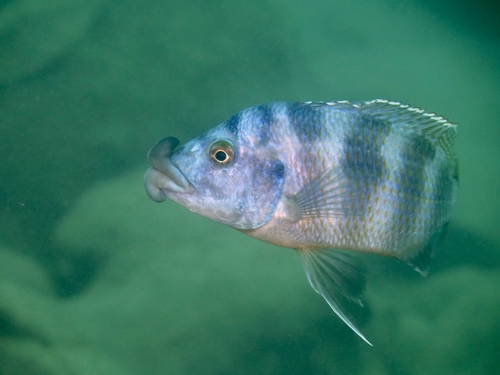
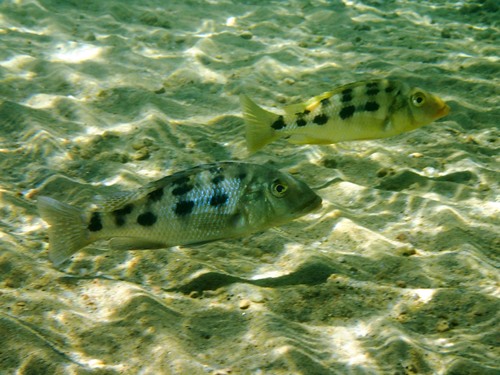
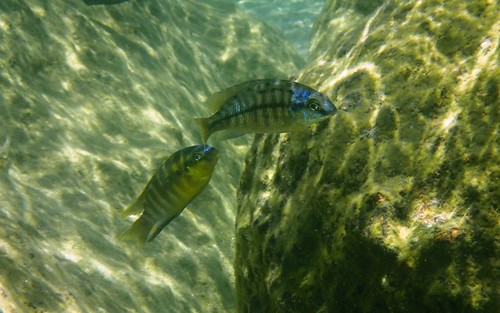
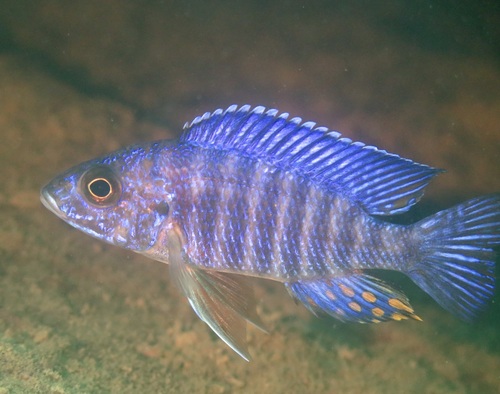
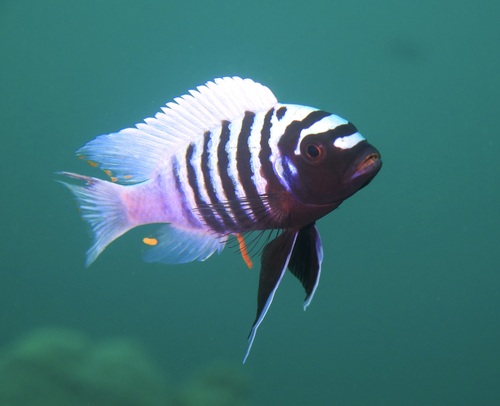
The White Zebra is a striking freshwater fish known for its unique coloration and lively behavior.
Pricing for Verified Importers
Log in to see wholesale prices and order.
Export Size
up to 12.0 cm
Origin
Lake Malawi
Temperature
24.0–28.0°C
Min. Tank Size
200 L
pH
7.80–8.60
Diet
omnivore
Pseudotropheus Zebra, commonly known as the White Zebra, is a vibrant freshwater fish native to the rocky shorelines of Lake Malawi in East Africa. This species is renowned for its striking white and black striped pattern, which serves as both a form of camouflage and a display during mating rituals. Adult males typically exhibit more pronounced coloration, while females are often more subdued in appearance, making the males stand out in any aquarium setting.
In terms of behavior, the White Zebra is known for its territorial nature, particularly among males. They thrive in environments that provide plenty of hiding spots and rocky structures, which mimic their natural habitat. Their social structure is complex, and they often engage in intricate displays of dominance and courtship, making them fascinating to observe in an aquarium. Their active swimming patterns and interactive behavior contribute to their popularity among aquarium enthusiasts.
The White Zebra prefers a stable environment with specific water conditions that closely resemble its native habitat. Typically, they inhabit shallow waters with ample vegetation and rocky substrates. This species plays a crucial role in the ecosystem of Lake Malawi, contributing to the biodiversity and health of its aquatic community. As such, providing a similar environment in captivity is essential for their well-being and longevity.
Overall, the White Zebra is not only visually appealing but also offers an engaging experience for aquarists due to its dynamic behavior and social interactions. Their unique characteristics make them a sought-after species for both retail and wholesale markets, particularly in regions where they can be showcased in a suitable habitat.
In terms of behavior, the White Zebra is known for its territorial nature, particularly among males. They thrive in environments that provide plenty of hiding spots and rocky structures, which mimic their natural habitat. Their social structure is complex, and they often engage in intricate displays of dominance and courtship, making them fascinating to observe in an aquarium. Their active swimming patterns and interactive behavior contribute to their popularity among aquarium enthusiasts.
The White Zebra prefers a stable environment with specific water conditions that closely resemble its native habitat. Typically, they inhabit shallow waters with ample vegetation and rocky substrates. This species plays a crucial role in the ecosystem of Lake Malawi, contributing to the biodiversity and health of its aquatic community. As such, providing a similar environment in captivity is essential for their well-being and longevity.
Overall, the White Zebra is not only visually appealing but also offers an engaging experience for aquarists due to its dynamic behavior and social interactions. Their unique characteristics make them a sought-after species for both retail and wholesale markets, particularly in regions where they can be showcased in a suitable habitat.
Caring for the White Zebra requires attention to specific water parameters to ensure their health and vitality. Ideally, maintain a temperature range of 24-28°C, with a pH level between 7.8 and 8.6. The tank should have a minimum capacity of 200 liters to accommodate their active nature and territorial behavior. Regular water changes and filtration are essential to maintain optimal water quality.
Feeding the White Zebra is relatively straightforward, as they are omnivorous and thrive on a diet that includes high-quality pellets, flakes, and frozen or live foods such as brine shrimp and bloodworms. It's important to provide a varied diet to enhance their coloration and overall health. When introducing new fish to the tank, ensure compatibility by monitoring their social interactions closely, as the White Zebra can display aggressive behavior towards newcomers, especially males.
Acclimation is crucial when introducing White Zebras to a new environment. Use the drip acclimation method to gradually adjust them to the water conditions of the new tank. Additionally, a quarantine period of at least two weeks is recommended for any new arrivals to prevent the spread of diseases. By providing the right care and environment, the White Zebra can thrive and become a stunning centerpiece in your aquatic display.
Feeding the White Zebra is relatively straightforward, as they are omnivorous and thrive on a diet that includes high-quality pellets, flakes, and frozen or live foods such as brine shrimp and bloodworms. It's important to provide a varied diet to enhance their coloration and overall health. When introducing new fish to the tank, ensure compatibility by monitoring their social interactions closely, as the White Zebra can display aggressive behavior towards newcomers, especially males.
Acclimation is crucial when introducing White Zebras to a new environment. Use the drip acclimation method to gradually adjust them to the water conditions of the new tank. Additionally, a quarantine period of at least two weeks is recommended for any new arrivals to prevent the spread of diseases. By providing the right care and environment, the White Zebra can thrive and become a stunning centerpiece in your aquatic display.
The White Zebra is suitable for shipping, provided the temperature is maintained between 24-28°C during transit. Packing density should be moderate to ensure adequate oxygenation, and fish should be shipped in secure, insulated bags to prevent stress. As of now, the White Zebra is not listed under CITES, making export regulations straightforward.
Species Parameters
Max Adult Size
12.0 cm
Origin
Lake Malawi
Diet
omnivore
Temp Min
24.0 °C
Temp Max
28.0 °C
pH Min
7.80
pH Max
8.60
Min Tank
200 L