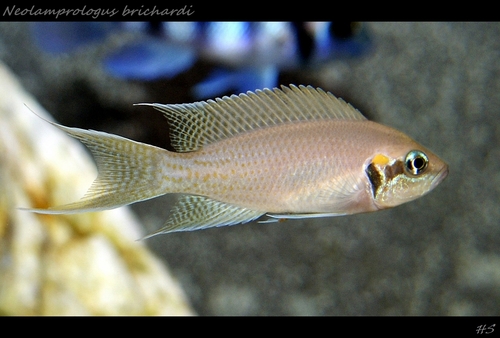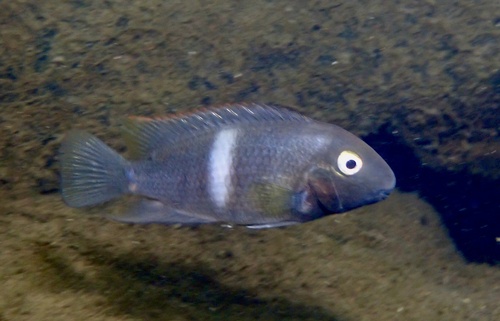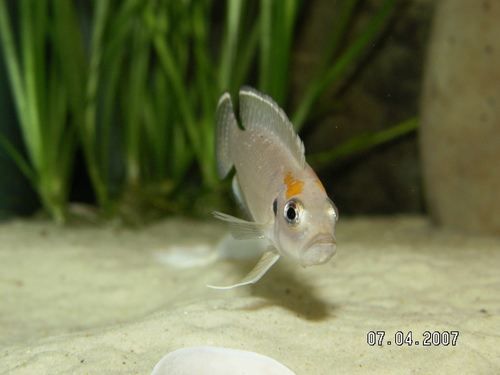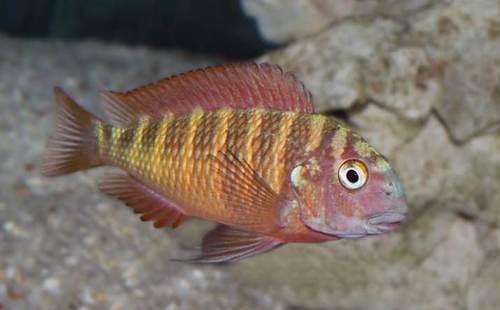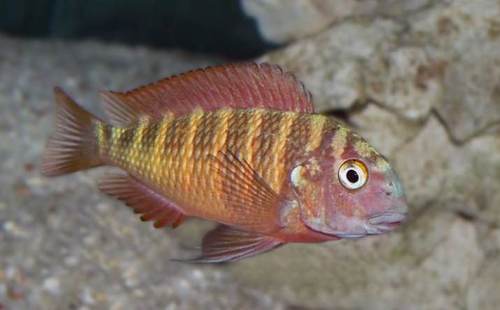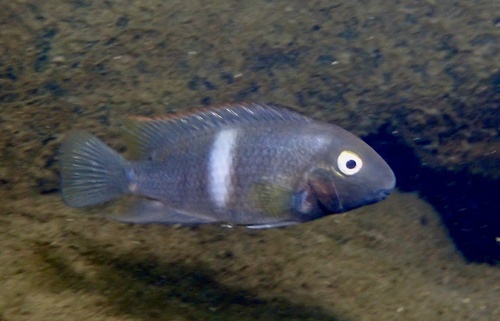
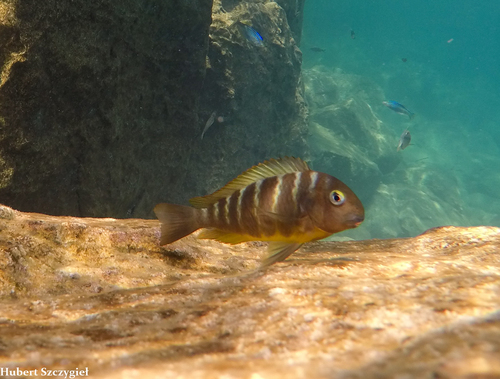
Albino Tropheus Brichardi Kipili
Tropheus brichardi 'Kipili Albino'
In Stock
Common stock
Wild Caught
Moderate care
Not Reef Safe
SKU: 01-A-01-103-06
The Albino Tropheus Brichardi Kipili is a stunning freshwater fish known for its vibrant coloration and unique personality.
Pricing for Verified Importers
Log in to see wholesale prices and order.
Export Size
up to 10.0 cm
Origin
Africa (Lake Tanganyika)
Temperature
24.0–28.0°C
Min. Tank Size
200 L
pH
7.50–8.50
Diet
herbivore
The Albino Tropheus Brichardi Kipili, a variant of the Tropheus brichardi species, is native to the rocky shores of Lake Tanganyika, where it thrives in its natural habitat. This species is particularly remarkable for its striking all-white body and bright orange accents, which make it a sought-after choice for aquarists looking to add color and character to their freshwater tanks. In addition to its appearance, the Albino Tropheus Brichardi Kipili exhibits a lively and bold temperament, often displaying interesting social behaviors within their group dynamics.
In terms of natural history, the Albino Tropheus Brichardi Kipili primarily inhabits rocky substrates where it forages for algae and microorganisms. This species has adapted to a diet rich in plant matter, showcasing its herbivorous tendencies. They are known to establish hierarchies within their social groups, leading to fascinating interactions that can be observed in a well-maintained aquarium environment. Their peaceful nature makes them an excellent addition to community tanks, although care should be taken to avoid aggressive tankmates.
The Albino Tropheus Brichardi Kipili typically reaches a maximum size of around 10 cm, making them a manageable size for most aquarium setups. Their unique adaptations to their environment, such as their ability to thrive in varying water conditions, add to their appeal for both novice and experienced aquarists. When kept in appropriate conditions, these fish can live for many years, providing long-term enjoyment for aquarium enthusiasts.
Overall, the Albino Tropheus Brichardi Kipili is more than just a visually appealing species; it also brings an element of dynamic behavior to the aquarium, making it a fantastic choice for those looking to enhance their aquatic displays with both beauty and personality.
In terms of natural history, the Albino Tropheus Brichardi Kipili primarily inhabits rocky substrates where it forages for algae and microorganisms. This species has adapted to a diet rich in plant matter, showcasing its herbivorous tendencies. They are known to establish hierarchies within their social groups, leading to fascinating interactions that can be observed in a well-maintained aquarium environment. Their peaceful nature makes them an excellent addition to community tanks, although care should be taken to avoid aggressive tankmates.
The Albino Tropheus Brichardi Kipili typically reaches a maximum size of around 10 cm, making them a manageable size for most aquarium setups. Their unique adaptations to their environment, such as their ability to thrive in varying water conditions, add to their appeal for both novice and experienced aquarists. When kept in appropriate conditions, these fish can live for many years, providing long-term enjoyment for aquarium enthusiasts.
Overall, the Albino Tropheus Brichardi Kipili is more than just a visually appealing species; it also brings an element of dynamic behavior to the aquarium, making it a fantastic choice for those looking to enhance their aquatic displays with both beauty and personality.
To ensure the health and well-being of the Albino Tropheus Brichardi Kipili, it is essential to provide stable water parameters. The ideal temperature range for this species is between 24°C to 28°C, with a pH level of 7.5 to 8.5. Maintaining clean, well-filtered water is crucial, as these fish are sensitive to water quality. Regular water changes and the use of a quality water conditioner can help keep their environment pristine.
Feeding the Albino Tropheus Brichardi Kipili should focus on high-quality spirulina-based flakes or pellets, supplemented with fresh vegetables like zucchini or spinach to mimic their natural diet. It is recommended to feed them multiple times a day in small amounts to prevent overfeeding and ensure optimal health. Compatibility with other species is generally good, but care should be taken with more aggressive cichlids that may outcompete them for food.
Acclimation is a vital process when introducing these fish to a new environment. A slow drip method is advisable to help them adjust to the new water parameters. Quarantine new arrivals for at least two weeks to monitor for any signs of illness before adding them to the main display. This practice helps to prevent the introduction of pathogens to your established fish population, ensuring a healthy aquarium ecosystem.
Feeding the Albino Tropheus Brichardi Kipili should focus on high-quality spirulina-based flakes or pellets, supplemented with fresh vegetables like zucchini or spinach to mimic their natural diet. It is recommended to feed them multiple times a day in small amounts to prevent overfeeding and ensure optimal health. Compatibility with other species is generally good, but care should be taken with more aggressive cichlids that may outcompete them for food.
Acclimation is a vital process when introducing these fish to a new environment. A slow drip method is advisable to help them adjust to the new water parameters. Quarantine new arrivals for at least two weeks to monitor for any signs of illness before adding them to the main display. This practice helps to prevent the introduction of pathogens to your established fish population, ensuring a healthy aquarium ecosystem.
The Albino Tropheus Brichardi Kipili is suitable for shipping, as long as proper precautions are taken. It is crucial to maintain a stable temperature during transit, ideally between 24°C and 28°C. Packing density should allow for adequate space and oxygenation to minimize stress. This species is not listed under CITES, simplifying export regulations. Ensuring that shipping boxes are well-insulated will help protect the fish from temperature fluctuations during transport.
Species Parameters
Max Adult Size
10.0 cm
Origin
Africa (Lake Tanganyika)
Diet
herbivore
Temp Min
24.0 °C
Temp Max
28.0 °C
pH Min
7.50
pH Max
8.50
Min Tank
200 L