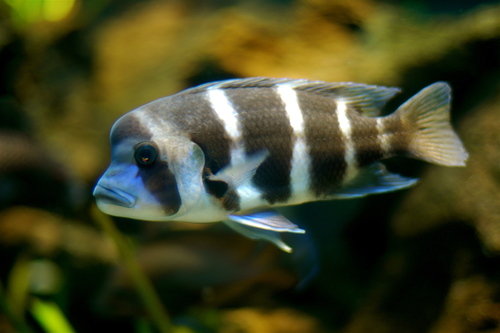
Cyphotilapia frontosa
Cyphotilapia frontosa
In Stock
Common stock
Wild Caught
Moderate care
Not Reef Safe
SKU: 01-A-01-011-01
Discover the stunning Cyphotilapia frontosa, a captivating centerpiece for any freshwater aquarium.
Pricing for Verified Importers
Log in to see wholesale prices and order.
Export Size
up to 30.0 cm
Origin
Lake Tanganyika
Temperature
24.0–28.0°C
Min. Tank Size
200 L
pH
7.80–9.00
Diet
carnivore
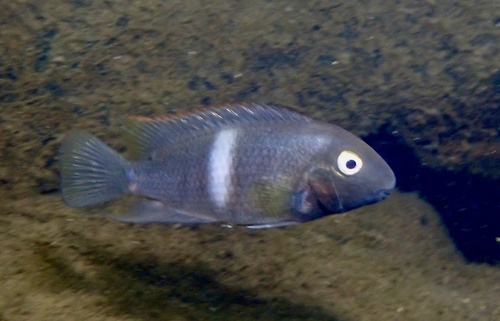
Cyphotilapia frontosa, commonly known as the Frontosa, is a striking freshwater fish native to the deep waters of Lake Tanganyika in East Africa. This species is renowned for its impressive size, vibrant coloration, and distinctive facial profile. With elongated fins and a pronounced nuchal hump, the Frontosa exhibits a regal appearance that captivates aquarists and collectors alike. Its coloration ranges from deep blue to bright azure, adorned with striking black spots that enhance its visual appeal.
In terms of behavior, Frontosas are generally peaceful but can exhibit territorial tendencies, especially during breeding. They thrive in groups, which helps reduce stress and promotes natural behaviors. Their natural habitat consists of rocky substrates and caves, providing ample hiding spots, which are crucial for their well-being. Frontosas are also known to be relatively long-lived, with some individuals reaching over 25 years in captivity when kept under proper conditions.
The Frontosa’s diet in the wild primarily consists of smaller fish and invertebrates, making it a carnivorous species. This dietary preference should be mirrored in captivity, where high-quality pellets, frozen foods, and live prey can be provided to ensure optimal health and vibrant coloration. It's essential to ensure that the feeding regimen mimics their natural foraging behavior, which can include scavenging and hunting.
Overall, the Cyphotilapia frontosa is a remarkable species that not only adds beauty to any aquarium but also enriches the aquatic environment with its unique behaviors and characteristics. Its striking appearance and fascinating habits make it a favorite among both hobbyists and professional importers alike.
In terms of behavior, Frontosas are generally peaceful but can exhibit territorial tendencies, especially during breeding. They thrive in groups, which helps reduce stress and promotes natural behaviors. Their natural habitat consists of rocky substrates and caves, providing ample hiding spots, which are crucial for their well-being. Frontosas are also known to be relatively long-lived, with some individuals reaching over 25 years in captivity when kept under proper conditions.
The Frontosa’s diet in the wild primarily consists of smaller fish and invertebrates, making it a carnivorous species. This dietary preference should be mirrored in captivity, where high-quality pellets, frozen foods, and live prey can be provided to ensure optimal health and vibrant coloration. It's essential to ensure that the feeding regimen mimics their natural foraging behavior, which can include scavenging and hunting.
Overall, the Cyphotilapia frontosa is a remarkable species that not only adds beauty to any aquarium but also enriches the aquatic environment with its unique behaviors and characteristics. Its striking appearance and fascinating habits make it a favorite among both hobbyists and professional importers alike.
For optimal care of Cyphotilapia frontosa, maintaining suitable water parameters is crucial. These fish thrive in slightly alkaline to neutral water, with a pH range of 7.8 to 9.0. A temperature range of 24 to 28 degrees Celsius is ideal, ensuring a stable environment. Regular water changes and good filtration are essential to maintaining water quality, as Frontosas are sensitive to fluctuations.
Feeding should consist of a high-protein diet, including specially formulated pellets, frozen foods, and occasional live offerings. It's recommended to feed them 1-2 times a day, ensuring not to overfeed, which can lead to health issues. When it comes to tank mates, Frontosas can be kept with other cichlids that share similar temperaments, but care should be taken to avoid overly aggressive species.
Acclimation requires a slow and careful process, utilizing drip acclimation techniques to minimize stress. Quarantine new arrivals for at least two weeks to monitor for any signs of disease before introducing them to the main tank. Providing ample hiding spots with rocks and caves is essential for their comfort and to reduce territorial disputes.
Feeding should consist of a high-protein diet, including specially formulated pellets, frozen foods, and occasional live offerings. It's recommended to feed them 1-2 times a day, ensuring not to overfeed, which can lead to health issues. When it comes to tank mates, Frontosas can be kept with other cichlids that share similar temperaments, but care should be taken to avoid overly aggressive species.
Acclimation requires a slow and careful process, utilizing drip acclimation techniques to minimize stress. Quarantine new arrivals for at least two weeks to monitor for any signs of disease before introducing them to the main tank. Providing ample hiding spots with rocks and caves is essential for their comfort and to reduce territorial disputes.
Cyphotilapia frontosa is suitable for shipping and can be packed at a density of 1-2 fish per liter of water, depending on size. It's vital to maintain stable temperatures during transit, ideally between 24 to 28 degrees Celsius, to prevent stress. Ensure proper oxygenation and insulation in the shipping containers. This species is not listed under CITES, making it easier for export without additional restrictions.
Species Parameters
Max Adult Size
30.0 cm
Origin
Lake Tanganyika
Diet
carnivore
Temp Min
24.0 °C
Temp Max
28.0 °C
pH Min
7.80
pH Max
9.00
Min Tank
200 L