Red Frontosa
Cyphotilapia frontosa sp.
In Stock
Common stock
Wild Caught
Moderate care
Not Reef Safe
SKU: 01-A-01-012-01
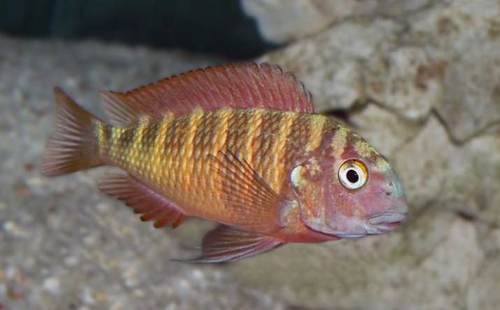
The Red Frontosa is a striking freshwater fish known for its vibrant colors and unique social behavior.
Pricing for Verified Importers
Log in to see wholesale prices and order.
Export Size
up to 30.0 cm
Origin
Lake Tanganyika
Temperature
24.0–28.0°C
Min. Tank Size
300 L
pH
7.80–9.00
Diet
carnivore
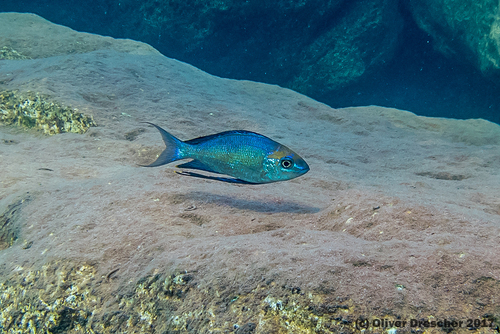
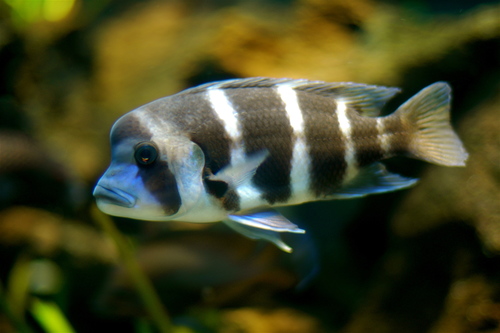
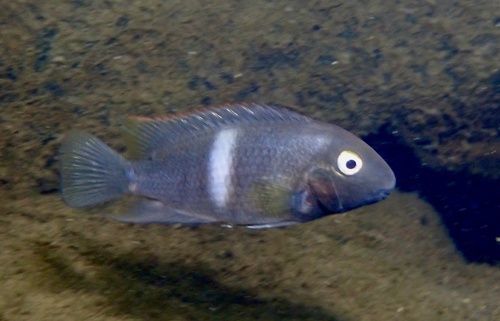
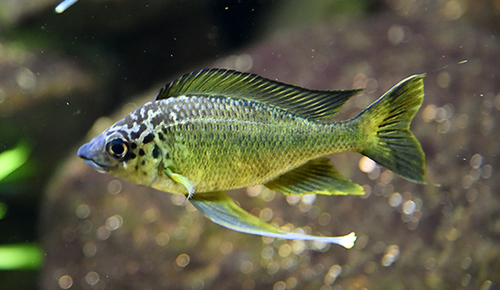
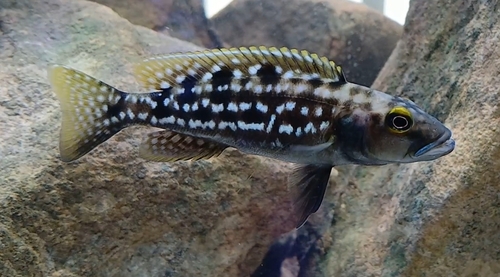
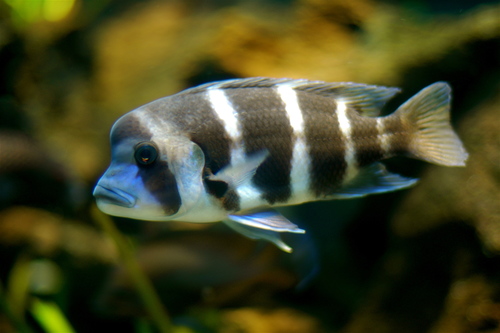
The Red Frontosa (Cyphotilapia frontosa) is a captivating species native to Lake Tanganyika in East Africa. This freshwater fish is renowned for its striking appearance, featuring a deep blue body adorned with vivid red or orange highlights, especially prominent in mature males. Their elongated bodies and distinctive dorsal fins contribute to their majestic presence in any aquarium setting. As a cichlid, they exhibit a strong territorial nature, making them fascinating subjects for observation and study.
In their natural habitat, Red Frontosas inhabit rocky substrates at depths ranging from 10 to 50 meters. They prefer stable environments with plenty of hiding spaces, which is crucial for their comfort and stress reduction. Their diet in the wild mainly consists of smaller fish, invertebrates, and crustaceans, reflecting their carnivorous feeding habits. The social structure of Red Frontosas is intriguing; they often live in small groups, establishing hierarchies that dictate their interactions and breeding behaviors.
Behaviorally, Red Frontosas are known for their calm demeanor, making them suitable for community tanks with compatible species. They can display interesting social behaviors, especially during breeding season when males exhibit courtship displays to attract females. Understanding their natural instincts and social dynamics can enhance the aquarium experience for both the fish and the observer.
Overall, the Red Frontosa is not just a beautiful addition to aquariums but also a species that requires attention to its social and environmental needs to thrive. Their unique characteristics and behaviors make them a sought-after species for both hobbyists and commercial aquarists alike.
In their natural habitat, Red Frontosas inhabit rocky substrates at depths ranging from 10 to 50 meters. They prefer stable environments with plenty of hiding spaces, which is crucial for their comfort and stress reduction. Their diet in the wild mainly consists of smaller fish, invertebrates, and crustaceans, reflecting their carnivorous feeding habits. The social structure of Red Frontosas is intriguing; they often live in small groups, establishing hierarchies that dictate their interactions and breeding behaviors.
Behaviorally, Red Frontosas are known for their calm demeanor, making them suitable for community tanks with compatible species. They can display interesting social behaviors, especially during breeding season when males exhibit courtship displays to attract females. Understanding their natural instincts and social dynamics can enhance the aquarium experience for both the fish and the observer.
Overall, the Red Frontosa is not just a beautiful addition to aquariums but also a species that requires attention to its social and environmental needs to thrive. Their unique characteristics and behaviors make them a sought-after species for both hobbyists and commercial aquarists alike.
When caring for Red Frontosas, maintaining optimal water parameters is crucial. The ideal temperature range is between 24°C to 28°C, with a pH level of 7.8 to 9.0. These fish thrive in hard water, so ensure that the hardness is kept above 10 dGH. A minimum tank size of 300 liters is recommended to accommodate their size and territorial nature, providing enough space for swimming and hiding.
Feeding Red Frontosas requires a focus on high-quality protein sources. A diet consisting of cichlid pellets, frozen or live foods such as brine shrimp and bloodworms is ideal. It's important to feed them multiple times a day in small amounts to prevent overfeeding and maintain water quality. Watch for any signs of aggression during feeding times, especially when keeping multiple males in the same tank, as this can lead to disputes.
Acclimation to a new environment should be gradual to reduce stress. Use the drip acclimation method over several hours before introducing them to the main tank. Quarantine new arrivals for at least two weeks to monitor for any diseases or parasites before adding them to the main display tank. Compatibility should be carefully considered; they can coexist with larger, non-aggressive fish but may show aggression towards smaller species or other cichlids of similar size.
Overall, with proper care and attention to their environmental needs, Red Frontosas can thrive and display their vibrant colors and unique behaviors in a well-maintained aquarium.
Feeding Red Frontosas requires a focus on high-quality protein sources. A diet consisting of cichlid pellets, frozen or live foods such as brine shrimp and bloodworms is ideal. It's important to feed them multiple times a day in small amounts to prevent overfeeding and maintain water quality. Watch for any signs of aggression during feeding times, especially when keeping multiple males in the same tank, as this can lead to disputes.
Acclimation to a new environment should be gradual to reduce stress. Use the drip acclimation method over several hours before introducing them to the main tank. Quarantine new arrivals for at least two weeks to monitor for any diseases or parasites before adding them to the main display tank. Compatibility should be carefully considered; they can coexist with larger, non-aggressive fish but may show aggression towards smaller species or other cichlids of similar size.
Overall, with proper care and attention to their environmental needs, Red Frontosas can thrive and display their vibrant colors and unique behaviors in a well-maintained aquarium.
Red Frontosas are suitable for shipping, requiring careful packing to ensure their safety during transit. Optimal packing density is one fish per 10 liters of water to minimize stress. They are sensitive to temperature fluctuations, so maintaining a stable temperature between 24°C to 28°C during shipping is essential. Currently, there are no CITES regulations affecting the trade of Red Frontosas, which facilitates their export from Bali, Indonesia.
Species Parameters
Max Adult Size
30.0 cm
Origin
Lake Tanganyika
Diet
carnivore
Temp Min
24.0 °C
Temp Max
28.0 °C
pH Min
7.80
pH Max
9.00
Min Tank
300 L