Steatocranus casuarius
Steatocranus casuarius
In Stock
Common stock
Wild Caught
Moderate care
Not Reef Safe
SKU: 01-A-01-051-03
Discover the unique Steatocranus casuarius, known for its striking appearance and playful behavior.
Pricing for Verified Importers
Log in to see wholesale prices and order.
Export Size
up to 12.0 cm
Origin
African Great Lakes
Temperature
24.0–28.0°C
Min. Tank Size
200 L
pH
6.00–7.50
Diet
omnivore
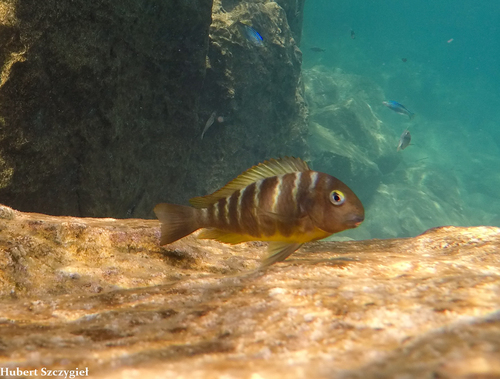
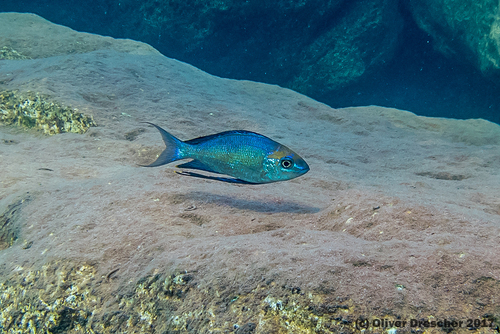
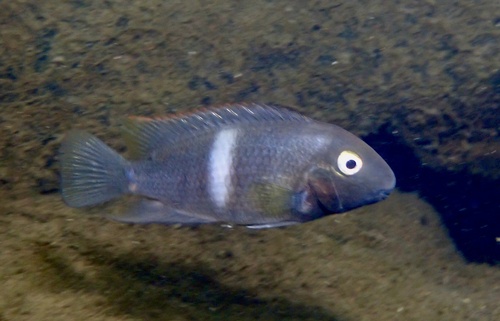
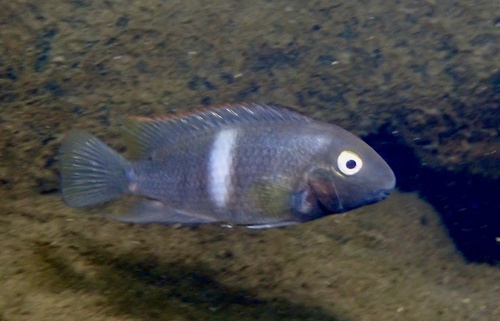
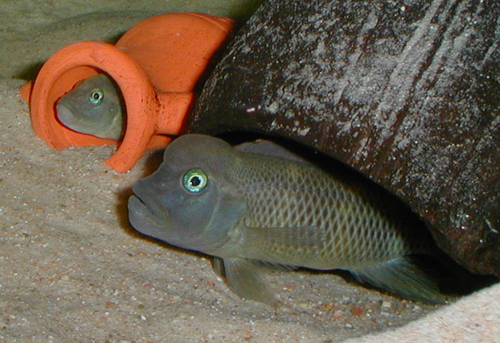
Steatocranus casuarius, commonly referred to as the 'Cichlid of the Congo,' is a captivating freshwater fish native to the African Great Lakes and river systems. This species is particularly admired for its distinctive shape and vibrant coloration, which makes it a favorite among aquarists. Adult Steatocranus casuarius typically exhibit a robust body with a flattened forehead and a striking array of colors that can range from deep blues to vivid greens, often complemented by dark vertical stripes. Their unique appearance, combined with their lively demeanor, adds a dynamic element to any aquarium setup.
In terms of behavior, Steatocranus casuarius are known for their inquisitive nature. They are social fish that thrive in groups, often establishing a hierarchy among themselves. This species is also known for its territorial instincts, especially during breeding season, where males can become quite aggressive towards each other. Observing their interactions can provide fascinating insights into their social structures and behaviors, making them a delightful choice for aquarists interested in social dynamics.
Steatocranus casuarius typically inhabit slow-moving waters with plenty of rocks and vegetation, which provide essential hiding spots and breeding grounds. They prefer slightly acidic to neutral pH levels and are often found in environments rich in plant life and organic matter, which contribute to their natural diet. These conditions should be replicated in captivity to ensure that they thrive and exhibit their natural behaviors.
In summary, Steatocranus casuarius is not only visually appealing but also offers a unique glimpse into the social behaviors of freshwater cichlids, making them a sought-after species for both novice and experienced aquarists alike.
In terms of behavior, Steatocranus casuarius are known for their inquisitive nature. They are social fish that thrive in groups, often establishing a hierarchy among themselves. This species is also known for its territorial instincts, especially during breeding season, where males can become quite aggressive towards each other. Observing their interactions can provide fascinating insights into their social structures and behaviors, making them a delightful choice for aquarists interested in social dynamics.
Steatocranus casuarius typically inhabit slow-moving waters with plenty of rocks and vegetation, which provide essential hiding spots and breeding grounds. They prefer slightly acidic to neutral pH levels and are often found in environments rich in plant life and organic matter, which contribute to their natural diet. These conditions should be replicated in captivity to ensure that they thrive and exhibit their natural behaviors.
In summary, Steatocranus casuarius is not only visually appealing but also offers a unique glimpse into the social behaviors of freshwater cichlids, making them a sought-after species for both novice and experienced aquarists alike.
When caring for Steatocranus casuarius, it is crucial to maintain optimal water parameters. The ideal temperature range is between 24°C to 28°C, with a pH level between 6.0 and 7.5. Regular water changes are recommended to keep the water quality high, as these fish can be sensitive to poor water conditions. A minimum tank size of 200 liters is suggested to accommodate their social nature and territorial behavior.
Feeding Steatocranus casuarius is relatively straightforward, as they are omnivores. A varied diet including high-quality pellets, frozen or live foods such as brine shrimp and daphnia, as well as vegetable matter, will ensure they receive the necessary nutrients for healthy growth and vibrant colors. It’s important to feed them small amounts multiple times a day rather than one large feeding.
Compatibility is another key aspect of their care. While they can be kept with other peaceful species, potential tankmates should be chosen carefully to avoid aggression, especially during breeding. Acclimation should be done slowly, ideally over several hours, to help them adjust to new water conditions. Quarantine new arrivals for at least two weeks to prevent disease transmission before introducing them to the main tank.
Feeding Steatocranus casuarius is relatively straightforward, as they are omnivores. A varied diet including high-quality pellets, frozen or live foods such as brine shrimp and daphnia, as well as vegetable matter, will ensure they receive the necessary nutrients for healthy growth and vibrant colors. It’s important to feed them small amounts multiple times a day rather than one large feeding.
Compatibility is another key aspect of their care. While they can be kept with other peaceful species, potential tankmates should be chosen carefully to avoid aggression, especially during breeding. Acclimation should be done slowly, ideally over several hours, to help them adjust to new water conditions. Quarantine new arrivals for at least two weeks to prevent disease transmission before introducing them to the main tank.
Steatocranus casuarius is suitable for shipping, provided proper care is taken during transit. Pack them in appropriately sized bags with sufficient oxygen and minimal water to reduce stress. A temperature range of 24°C to 26°C is ideal during shipping. Ensure that the packing density does not overcrowd them to minimize stress. As of now, there are no CITES restrictions on this species.
Species Parameters
Max Adult Size
12.0 cm
Origin
African Great Lakes
Diet
omnivore
Temp Min
24.0 °C
Temp Max
28.0 °C
pH Min
6.00
pH Max
7.50
Min Tank
200 L