Tropheus Canary Cheek
Tropheus kabimba
Out of Stock
Scarce stock
Wild Caught
Moderate care
Not Reef Safe
SKU: 01-A-01-058-01
Discover the vibrant Tropheus Canary Cheek, a stunning freshwater gem from Africa.
Pricing for Verified Importers
Log in to see wholesale prices and order.
Export Size
up to 12.0 cm
Origin
African Great Lakes
Temperature
24.0–28.0°C
Min. Tank Size
200 L
pH
7.80–9.00
Diet
herbivore
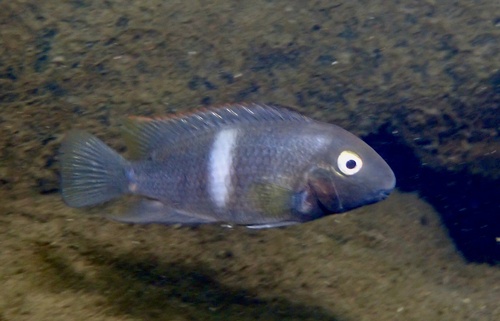
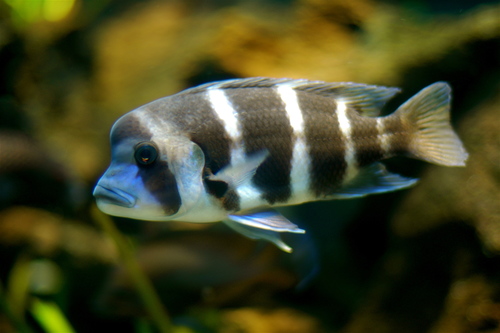
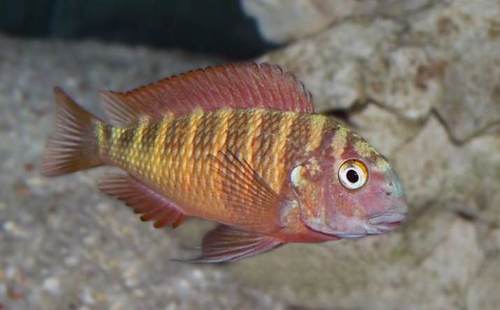
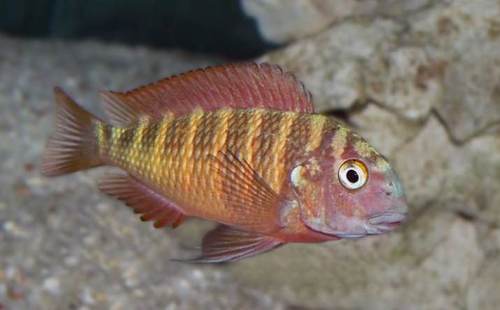
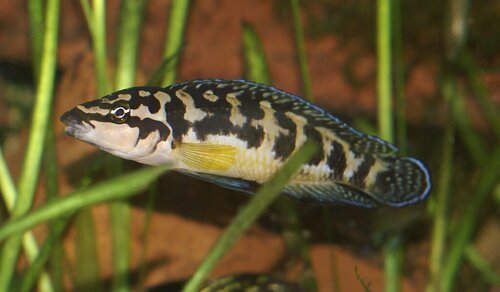
The Tropheus Canary Cheek, scientifically known as Tropheus kabimba, is a captivating freshwater fish native to the rocky shores of Lake Tanganyika in East Africa. Known for its striking yellow cheek markings, this species stands out among its peers, boasting a stunning combination of deep blues and vibrant yellows that make it a favorite for aquarium enthusiasts. Its unique coloration and lively demeanor attract both collectors and casual aquarists alike, making it an excellent addition to any aquarium showcasing African cichlids.
In the wild, the Tropheus Canary Cheek is typically found in rocky habitats where it grazes on algae that grow on the surfaces of stones. This herbivorous fish plays a crucial role in its ecosystem by helping to control algal growth, thus maintaining a balanced environment in its native lake. Socially, they are known to be quite territorial, often engaging in displays of dominance among males. Their behavior is fascinating to observe, as they establish hierarchies within groups, showcasing their colorful displays and engaging in complex interactions.
The Tropheus kabimba thrives in stable environments rich in minerals, which mimic its natural habitat. In aquariums, they exhibit a preference for structured spaces with ample hiding spots and open areas for swimming. Their natural behavior includes foraging for food among rocks, and they are known to be quite active, requiring a well-maintained environment to flourish. This species benefits from a well-planted tank with plenty of space for swimming and exploring, creating a dynamic and engaging habitat.
With proper care and attention, the Tropheus Canary Cheek can live for many years in captivity, providing joy and beauty to aquarists and their customers. Its vibrant colors and engaging personality make it a staple for freshwater fish suppliers and retailers, ensuring a high demand in the aquatic trade market.
In the wild, the Tropheus Canary Cheek is typically found in rocky habitats where it grazes on algae that grow on the surfaces of stones. This herbivorous fish plays a crucial role in its ecosystem by helping to control algal growth, thus maintaining a balanced environment in its native lake. Socially, they are known to be quite territorial, often engaging in displays of dominance among males. Their behavior is fascinating to observe, as they establish hierarchies within groups, showcasing their colorful displays and engaging in complex interactions.
The Tropheus kabimba thrives in stable environments rich in minerals, which mimic its natural habitat. In aquariums, they exhibit a preference for structured spaces with ample hiding spots and open areas for swimming. Their natural behavior includes foraging for food among rocks, and they are known to be quite active, requiring a well-maintained environment to flourish. This species benefits from a well-planted tank with plenty of space for swimming and exploring, creating a dynamic and engaging habitat.
With proper care and attention, the Tropheus Canary Cheek can live for many years in captivity, providing joy and beauty to aquarists and their customers. Its vibrant colors and engaging personality make it a staple for freshwater fish suppliers and retailers, ensuring a high demand in the aquatic trade market.
When caring for the Tropheus Canary Cheek, maintaining stable water parameters is crucial. Ideally, the water temperature should be kept between 24-28°C with a pH range of 7.8 to 9.0. These fish prefer hard, alkaline water that resembles their natural habitat, so regular water changes and mineral supplementation are recommended. A minimum tank size of 200 liters is advisable to accommodate their territorial nature and social structure, allowing for a comfortable environment.
In terms of diet, the Tropheus kabimba is primarily herbivorous, thriving on high-quality spirulina-based foods and algae wafers. Supplementing their diet with blanched vegetables can also promote their health and coloration. Feeding should be done multiple times a day in small amounts to prevent overfeeding and maintain water quality.
Compatibility is essential when housing the Tropheus Canary Cheek with other species. While they can coexist with other cichlids from Lake Tanganyika, care should be taken to avoid overly aggressive species that may disrupt their social structure. Acclimation should be gradual to minimize stress; floating the sealed bag in the aquarium for about 15-20 minutes before slowly introducing water from the tank can help them adjust.
Lastly, conducting a quarantine period for new arrivals is recommended to prevent the spread of disease. A minimum quarantine of 2 weeks will allow you to monitor for any signs of illness before introducing them to the main tank.
In terms of diet, the Tropheus kabimba is primarily herbivorous, thriving on high-quality spirulina-based foods and algae wafers. Supplementing their diet with blanched vegetables can also promote their health and coloration. Feeding should be done multiple times a day in small amounts to prevent overfeeding and maintain water quality.
Compatibility is essential when housing the Tropheus Canary Cheek with other species. While they can coexist with other cichlids from Lake Tanganyika, care should be taken to avoid overly aggressive species that may disrupt their social structure. Acclimation should be gradual to minimize stress; floating the sealed bag in the aquarium for about 15-20 minutes before slowly introducing water from the tank can help them adjust.
Lastly, conducting a quarantine period for new arrivals is recommended to prevent the spread of disease. A minimum quarantine of 2 weeks will allow you to monitor for any signs of illness before introducing them to the main tank.
Tropheus Canary Cheek is suitable for air shipping, requiring careful packing to ensure their health during transit. A density of 1 fish per 5 liters is recommended to minimize stress. They are sensitive to temperature fluctuations, so maintaining a stable temperature between 24-28°C is critical during transport. Currently, this species is not listed under CITES, simplifying export and compliance requirements.
Species Parameters
Max Adult Size
12.0 cm
Origin
African Great Lakes
Diet
herbivore
Temp Min
24.0 °C
Temp Max
28.0 °C
pH Min
7.80
pH Max
9.00
Min Tank
200 L