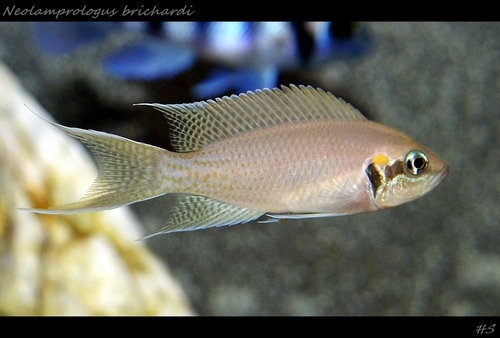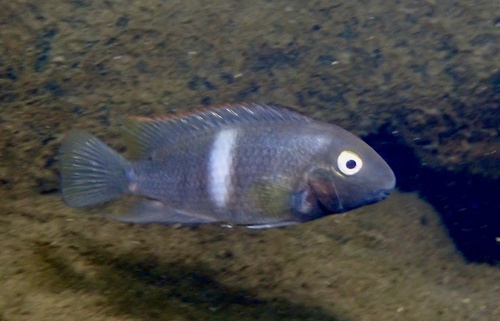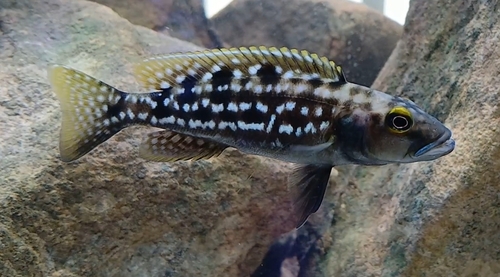
Tropheus moorii papagei
Tropheus moorii papagei
In Stock
Common stock
Wild Caught
Moderate care
Not Reef Safe
SKU: 01-A-01-100-01
Discover the vibrant Tropheus moorii papagei, a stunning jewel of freshwater aquariums.
Pricing for Verified Importers
Log in to see wholesale prices and order.
Export Size
up to 15.0 cm
Origin
Lake Tanganyika
Temperature
24.0–28.0°C
Min. Tank Size
200 L
pH
7.80–9.00
Diet
herbivore
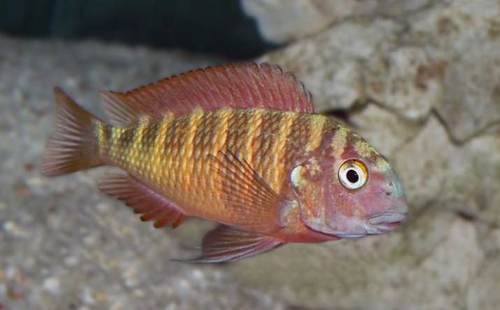
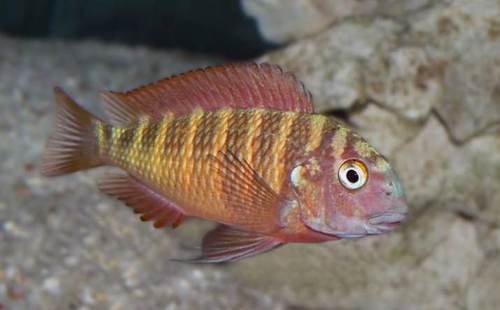
Tropheus moorii papagei, commonly known as the Papagei Cichlid, is a captivating freshwater fish found exclusively in the rocky shorelines of Lake Tanganyika in East Africa. This species is renowned for its bright coloration, typically displaying shades of yellow, orange, and blue, which can vary significantly among individuals. Their striking appearance, combined with their unique personality, makes them a popular choice among aquarium enthusiasts and retailers alike.
In terms of natural history, Tropheus moorii papagei primarily inhabits rocky substrates, where they graze on algae and other organic material. Their diet in the wild consists mainly of filamentous algae, which they scrape off the rocks using their specialized, beak-like mouths. This feeding behavior plays a crucial role in maintaining the ecological balance of their habitat. Socially, these cichlids exhibit interesting group dynamics; they are known to form strong bonds within their schools and exhibit territorial behavior, especially during breeding periods.
Behaviorally, Tropheus moorii papagei is semi-aggressive, particularly towards their own kind, and they thrive in stable environments with plenty of hiding spaces. They are also known for their unique spawning rituals, where males display vibrant colors to attract females, leading to a fascinating courtship process. Given their social nature, keeping them in groups is recommended to reduce stress and aggression.
Habitat-wise, they prefer well-structured environments mimicking their natural rocky surroundings. It is essential to replicate these conditions in aquarium settings to ensure their health and well-being. With proper care, these fish can thrive and display their full range of colors, making them a stunning addition to any freshwater aquarium.
In terms of natural history, Tropheus moorii papagei primarily inhabits rocky substrates, where they graze on algae and other organic material. Their diet in the wild consists mainly of filamentous algae, which they scrape off the rocks using their specialized, beak-like mouths. This feeding behavior plays a crucial role in maintaining the ecological balance of their habitat. Socially, these cichlids exhibit interesting group dynamics; they are known to form strong bonds within their schools and exhibit territorial behavior, especially during breeding periods.
Behaviorally, Tropheus moorii papagei is semi-aggressive, particularly towards their own kind, and they thrive in stable environments with plenty of hiding spaces. They are also known for their unique spawning rituals, where males display vibrant colors to attract females, leading to a fascinating courtship process. Given their social nature, keeping them in groups is recommended to reduce stress and aggression.
Habitat-wise, they prefer well-structured environments mimicking their natural rocky surroundings. It is essential to replicate these conditions in aquarium settings to ensure their health and well-being. With proper care, these fish can thrive and display their full range of colors, making them a stunning addition to any freshwater aquarium.
When caring for Tropheus moorii papagei, maintaining optimal water parameters is crucial for their health and longevity. The ideal temperature range is between 24°C to 28°C, with a pH level between 7.8 and 9.0. It is also important to maintain a low nitrate level and ensure excellent water quality through regular changes and filtration.
Feeding should consist of high-quality spirulina-based flakes or pellets, supplemented with fresh vegetables like blanched zucchini or spinach. It is important to avoid overfeeding, as Tropheus can be prone to bloat. These cichlids are best kept in groups of at least six individuals to promote social behavior and reduce aggression. However, be cautious with tank mates; avoid species that are overly aggressive or small enough to be seen as prey.
Acclimation should be done gradually over several hours to reduce stress, and a quarantine period of at least two weeks is recommended for new arrivals to ensure they are free from diseases. Providing ample hiding spots and territories in the tank will help mitigate aggression and promote a healthy social structure among the group.
Feeding should consist of high-quality spirulina-based flakes or pellets, supplemented with fresh vegetables like blanched zucchini or spinach. It is important to avoid overfeeding, as Tropheus can be prone to bloat. These cichlids are best kept in groups of at least six individuals to promote social behavior and reduce aggression. However, be cautious with tank mates; avoid species that are overly aggressive or small enough to be seen as prey.
Acclimation should be done gradually over several hours to reduce stress, and a quarantine period of at least two weeks is recommended for new arrivals to ensure they are free from diseases. Providing ample hiding spots and territories in the tank will help mitigate aggression and promote a healthy social structure among the group.
Tropheus moorii papagei is suitable for shipping, but care must be taken to maintain stable temperatures during transit, ideally between 24°C and 28°C. Packing density should be moderate to ensure adequate oxygenation and minimize stress. These fish are sensitive to temperature fluctuations, so appropriate insulation and heating packs may be necessary. They are not currently listed under CITES, simplifying export regulations.
Species Parameters
Max Adult Size
15.0 cm
Origin
Lake Tanganyika
Diet
herbivore
Temp Min
24.0 °C
Temp Max
28.0 °C
pH Min
7.80
pH Max
9.00
Min Tank
200 L