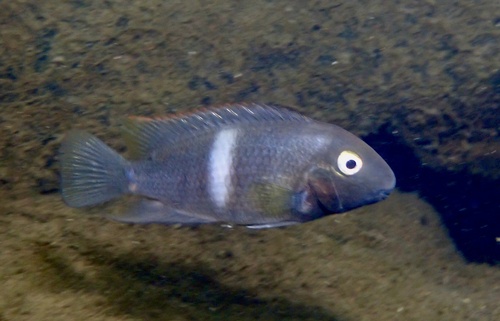
Tropheus Mpimbwe Yellow Cheek (IDV-PACK)
Tropheus sp. "Mpimbwe"
Out of Stock
Scarce stock
Wild Caught
Moderate care
Not Reef Safe
SKU: 01-A-01-043-01
Discover the vibrant Tropheus Mpimbwe Yellow Cheek, a stunning freshwater fish with unique coloration.
Pricing for Verified Importers
Log in to see wholesale prices and order.
Export Size
up to 15.0 cm
Origin
Lake Tanganyika
Temperature
24.0–28.0°C
Min. Tank Size
200 L
pH
8.00–9.00
Diet
herbivore
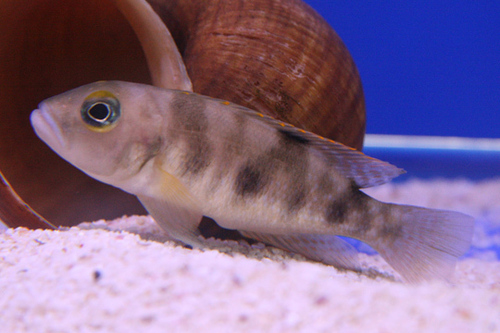
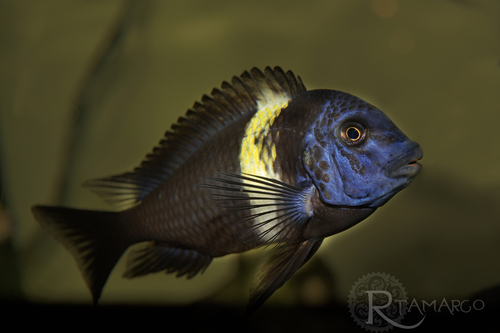
The Tropheus Mpimbwe Yellow Cheek, also known as Tropheus sp. 'Mpimbwe', is a captivating freshwater cichlid native to the rocky shorelines of Lake Tanganyika in East Africa. This species is celebrated for its striking yellow cheek patches that contrast beautifully with its dark body, making it a popular choice among aquarium enthusiasts. Adult individuals exhibit a range of colors, typically featuring dark blue to black bodies adorned with yellow or white accents, providing a visually stunning display in aquascapes.
In their natural habitat, these fish thrive among rocky structures where they feed on algae and organic detritus. Their behavior is characterized by territoriality, especially among males, and they often form small groups in the wild. The Tropheus Mpimbwe is known for its social nature, tending to establish hierarchies within groups. This species is particularly engaging to observe as they interact and establish territories, showcasing their dynamic behaviors and social structures.
The Tropheus Mpimbwe Yellow Cheek prefers a well-structured aquarium that mimics its natural rocky habitat. They require plenty of hiding spots and open swimming areas to thrive. The fish are herbivorous, primarily feeding on algae, which highlights the importance of providing a diet rich in plant matter to promote their health and vibrant coloration. Ensuring proper water conditions that replicate their native environment can lead to successful breeding and overall well-being in captivity.
Overall, the Tropheus Mpimbwe Yellow Cheek is not only a visually stunning fish but also an engaging species that brings a unique dynamic to any aquarium. Their distinct appearance and interesting behavior make them a sought-after addition for both novice and experienced aquarists alike.
In their natural habitat, these fish thrive among rocky structures where they feed on algae and organic detritus. Their behavior is characterized by territoriality, especially among males, and they often form small groups in the wild. The Tropheus Mpimbwe is known for its social nature, tending to establish hierarchies within groups. This species is particularly engaging to observe as they interact and establish territories, showcasing their dynamic behaviors and social structures.
The Tropheus Mpimbwe Yellow Cheek prefers a well-structured aquarium that mimics its natural rocky habitat. They require plenty of hiding spots and open swimming areas to thrive. The fish are herbivorous, primarily feeding on algae, which highlights the importance of providing a diet rich in plant matter to promote their health and vibrant coloration. Ensuring proper water conditions that replicate their native environment can lead to successful breeding and overall well-being in captivity.
Overall, the Tropheus Mpimbwe Yellow Cheek is not only a visually stunning fish but also an engaging species that brings a unique dynamic to any aquarium. Their distinct appearance and interesting behavior make them a sought-after addition for both novice and experienced aquarists alike.
To successfully maintain the Tropheus Mpimbwe Yellow Cheek, it is crucial to replicate its natural environment as closely as possible. The ideal water parameters include a temperature range of 24-28°C, a pH level between 8.0 and 9.0, and hardness levels of 10-20 dGH. Regular water changes and maintaining high water quality are essential for the health of these fish.
Feeding these cichlids involves providing a diet rich in spirulina, high-quality cichlid pellets, and blanched vegetables to simulate their natural herbivorous diet. It is advisable to feed them multiple small meals throughout the day rather than a single large feeding to prevent aggression and ensure all fish receive adequate nutrition.
Compatibility is a key consideration when housing the Tropheus Mpimbwe. They are best kept in species-specific tanks or with other similar-sized cichlids to reduce territorial disputes. Acclimation should be handled carefully; it's recommended to use the drip acclimation method to minimize stress during the introduction to a new environment. A quarantine period of at least two weeks is also advisable to prevent the spread of diseases to the main tank.
Feeding these cichlids involves providing a diet rich in spirulina, high-quality cichlid pellets, and blanched vegetables to simulate their natural herbivorous diet. It is advisable to feed them multiple small meals throughout the day rather than a single large feeding to prevent aggression and ensure all fish receive adequate nutrition.
Compatibility is a key consideration when housing the Tropheus Mpimbwe. They are best kept in species-specific tanks or with other similar-sized cichlids to reduce territorial disputes. Acclimation should be handled carefully; it's recommended to use the drip acclimation method to minimize stress during the introduction to a new environment. A quarantine period of at least two weeks is also advisable to prevent the spread of diseases to the main tank.
The Tropheus Mpimbwe Yellow Cheek is suitable for shipping, provided that proper precautions are taken. Fish should be packed with sufficient space to minimize stress and allow for natural movement. A packing density of 1 fish per liter is recommended. They are sensitive to temperature fluctuations; therefore, maintaining a stable temperature between 24-28°C during transit is crucial. This species is not listed under CITES, allowing for straightforward export procedures.
Species Parameters
Max Adult Size
15.0 cm
Origin
Lake Tanganyika
Diet
herbivore
Temp Min
24.0 °C
Temp Max
28.0 °C
pH Min
8.00
pH Max
9.00
Min Tank
200 L