Boulengerochromis microlepis
Boulengerochromis microlepis
Out of Stock
Scarce stock
Wild Caught
Moderate care
Not Reef Safe
SKU: 01-A-03-018-02
Discover the majestic Boulengerochromis microlepis, the emperor cichlid of Lake Tanganyika.
Pricing for Verified Importers
Log in to see wholesale prices and order.
Export Size
up to 30.0 cm
Origin
Lake Tanganyika
Temperature
24.0–28.0°C
Min. Tank Size
300 L
pH
7.50–9.00
Diet
carnivore
Boulengerochromis microlepis, commonly known as the emperor cichlid, is an iconic species endemic to Lake Tanganyika in Africa. This remarkable fish is the sole member of its genus, Boulengerochromis, and represents the tribe Boulengerochromini. It is celebrated for its impressive size, vibrant coloration, and unique behavior, making it a prized addition to any freshwater aquarium.
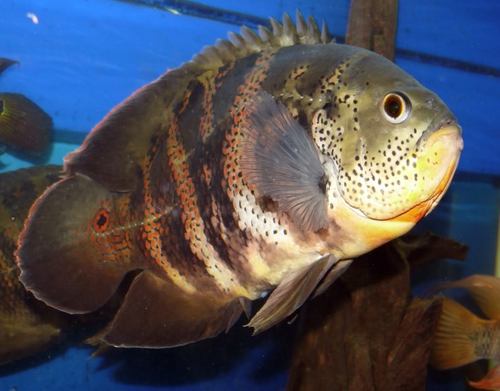
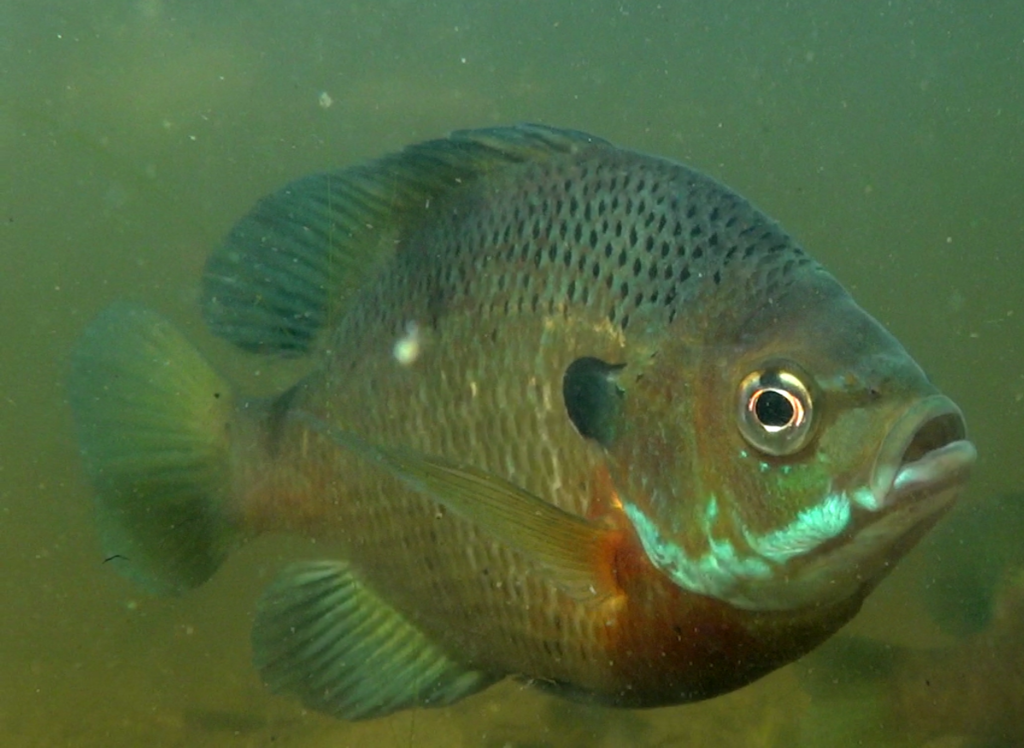
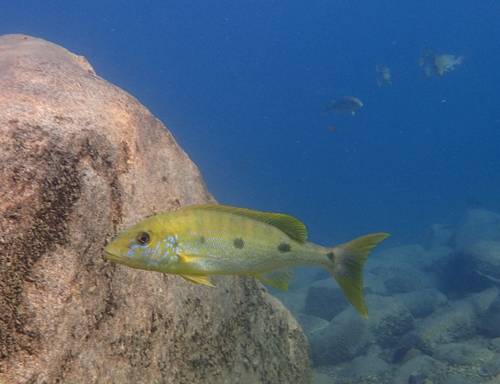
The emperor cichlid boasts a streamlined body that can reach lengths of up to 30 cm. Its coloration ranges from brilliant blues to yellows and is often accented with striking patterns. Juveniles exhibit a more subdued palette, transitioning to their vivid adult colors as they mature. These fish are known for their elongated dorsal fins and large eyes, which enhance their predatory capabilities, as they primarily feed on smaller fish and invertebrates in their natural habitat.
In terms of behavior, Boulengerochromis microlepis is both territorial and social, often seen forming schools in the wild. They inhabit the open waters of Lake Tanganyika, preferring rocky substrates and deeper areas to seek shelter from larger predators. Their dynamic swimming patterns and playful interactions make them a captivating species to observe. In captivity, they can display a range of behaviors, including cooperative hunting and intriguing social structures.
The emperor cichlid thrives in stable, well-oxygenated waters with plenty of space to swim. Their natural habitat features a range of water conditions, contributing to their adaptability, yet they require specific care to maintain health in an aquarium environment.
The emperor cichlid boasts a streamlined body that can reach lengths of up to 30 cm. Its coloration ranges from brilliant blues to yellows and is often accented with striking patterns. Juveniles exhibit a more subdued palette, transitioning to their vivid adult colors as they mature. These fish are known for their elongated dorsal fins and large eyes, which enhance their predatory capabilities, as they primarily feed on smaller fish and invertebrates in their natural habitat.
In terms of behavior, Boulengerochromis microlepis is both territorial and social, often seen forming schools in the wild. They inhabit the open waters of Lake Tanganyika, preferring rocky substrates and deeper areas to seek shelter from larger predators. Their dynamic swimming patterns and playful interactions make them a captivating species to observe. In captivity, they can display a range of behaviors, including cooperative hunting and intriguing social structures.
The emperor cichlid thrives in stable, well-oxygenated waters with plenty of space to swim. Their natural habitat features a range of water conditions, contributing to their adaptability, yet they require specific care to maintain health in an aquarium environment.
To successfully care for Boulengerochromis microlepis, maintain water parameters that mimic their natural habitat. The ideal temperature range is between 24°C and 28°C, with a pH level between 7.5 and 9.0. Regular water changes and a well-filtered tank are essential to ensure high water quality, as these fish are sensitive to poor conditions.
Feeding should consist of a high-quality diet rich in protein, such as pellets designed for carnivorous fish, frozen or live foods like brine shrimp and bloodworms. It's important to avoid overfeeding, which can lead to health issues. Compatibility is key; they are best kept with similarly sized, non-aggressive species to prevent territorial disputes, especially when breeding.
Acclimation should be done gradually to minimize stress—float the bag in the aquarium for about 15-20 minutes before slowly introducing tank water. Quarantine new arrivals for at least two weeks to prevent the spread of disease. Monitor their health closely during this period, and ensure that they are feeding well and displaying normal behavior before introducing them to the main tank.
Feeding should consist of a high-quality diet rich in protein, such as pellets designed for carnivorous fish, frozen or live foods like brine shrimp and bloodworms. It's important to avoid overfeeding, which can lead to health issues. Compatibility is key; they are best kept with similarly sized, non-aggressive species to prevent territorial disputes, especially when breeding.
Acclimation should be done gradually to minimize stress—float the bag in the aquarium for about 15-20 minutes before slowly introducing tank water. Quarantine new arrivals for at least two weeks to prevent the spread of disease. Monitor their health closely during this period, and ensure that they are feeding well and displaying normal behavior before introducing them to the main tank.
Boulengerochromis microlepis is suitable for shipping, provided that proper care is taken with packing density and temperature control. Use insulated boxes and heat packs to maintain optimal temperatures during transit, ideally between 24°C and 28°C. Ensure that there is adequate water and oxygen in the bags to support the fish throughout the shipping process. This species is not listed under CITES, simplifying export regulations.
Species Parameters
Max Adult Size
30.0 cm
Origin
Lake Tanganyika
Diet
carnivore
Temp Min
24.0 °C
Temp Max
28.0 °C
pH Min
7.50
pH Max
9.00
Min Tank
300 L