Cuban Cichlid
Nandopsis tetracanthus
In Stock
Common stock
Wild Caught
Moderate care
Not Reef Safe
SKU: 01-A-03-267-01
The Cuban Cichlid is a striking freshwater fish known for its vibrant colors and dynamic personality.
Pricing for Verified Importers
Log in to see wholesale prices and order.
Export Size
up to 30.0 cm
Origin
Cuba
Temperature
24.0–28.0°C
Min. Tank Size
150 L
pH
7.00–8.00
Diet
omnivore
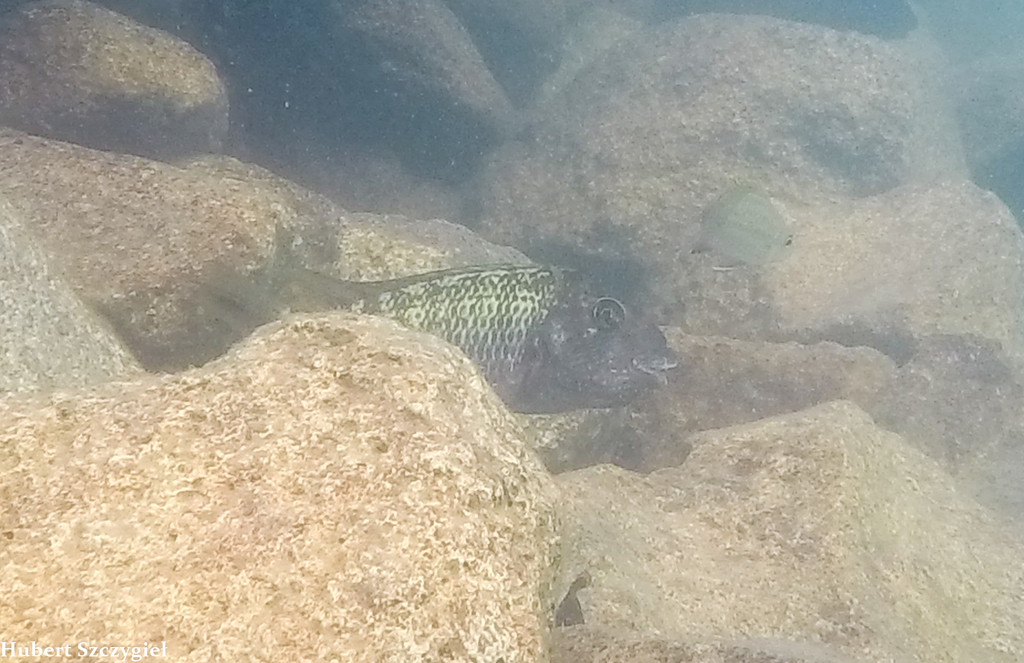
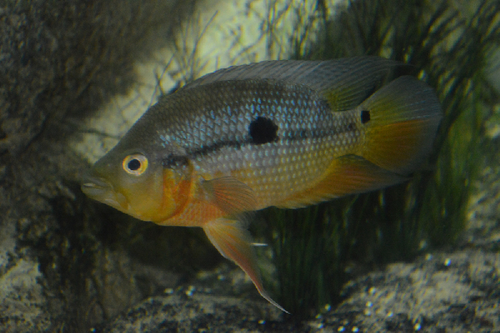
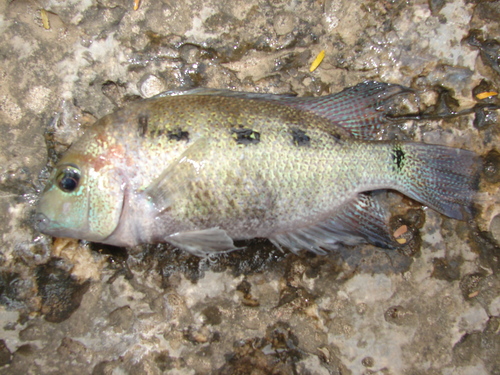
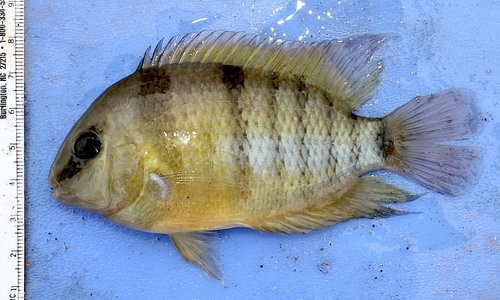
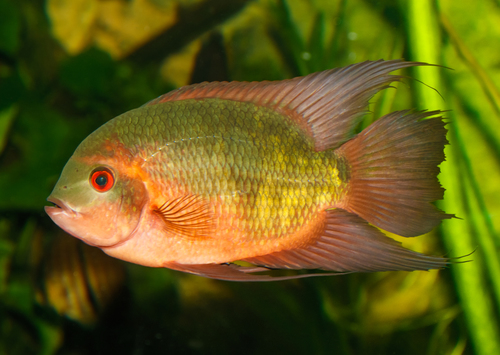
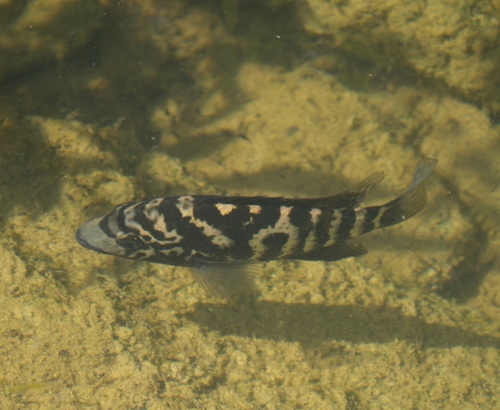
Nandopsis tetracanthus, commonly known as the Cuban Cichlid, is a species native to the freshwaters of Cuba and nearby islands. This robust fish is characterized by its unique coloration, which varies from bright blues to yellows and greens, often with striking black markings. Cuban Cichlids are known for their elongated bodies and prominent dorsal fins, which contribute to their captivating appearance. They can reach sizes up to 30 cm in length, making them an impressive addition to any aquarium.
In their natural habitat, Cuban Cichlids inhabit rivers, lakes, and marshes, often preferring areas with dense vegetation and rocky substrates. They are territorial and exhibit complex social behaviors, engaging in both cooperative and aggressive interactions with other fish. Their dynamic nature makes them a favorite among aquarists, as they display fascinating courtship rituals and parental care, which involves guarding their eggs and fry diligently.
Cuban Cichlids are not only visually stunning but also possess intriguing behaviors that make them suitable for experienced aquarists. They thrive in environments that mimic their natural habitat, requiring ample swimming space and hiding spots. This species is known for its adaptability to a range of water conditions, although they do prefer slightly warmer temperatures typical of their native waters. Their vibrant personalities and social interactions can provide a lively atmosphere in a community tank setup.
Overall, the Cuban Cichlid is an excellent choice for aquarium enthusiasts looking to add a vibrant and dynamic species to their collection. With proper care and attention to their habitat needs, these fish can thrive and exhibit their full range of colors and behaviors, captivating any observer with their beauty and lively antics.
In their natural habitat, Cuban Cichlids inhabit rivers, lakes, and marshes, often preferring areas with dense vegetation and rocky substrates. They are territorial and exhibit complex social behaviors, engaging in both cooperative and aggressive interactions with other fish. Their dynamic nature makes them a favorite among aquarists, as they display fascinating courtship rituals and parental care, which involves guarding their eggs and fry diligently.
Cuban Cichlids are not only visually stunning but also possess intriguing behaviors that make them suitable for experienced aquarists. They thrive in environments that mimic their natural habitat, requiring ample swimming space and hiding spots. This species is known for its adaptability to a range of water conditions, although they do prefer slightly warmer temperatures typical of their native waters. Their vibrant personalities and social interactions can provide a lively atmosphere in a community tank setup.
Overall, the Cuban Cichlid is an excellent choice for aquarium enthusiasts looking to add a vibrant and dynamic species to their collection. With proper care and attention to their habitat needs, these fish can thrive and exhibit their full range of colors and behaviors, captivating any observer with their beauty and lively antics.
When caring for Cuban Cichlids, it's essential to maintain water parameters that closely reflect their natural habitat. The ideal water temperature should range between 24°C to 28°C, with a pH level between 7.0 and 8.0. Regular water changes are necessary to keep the environment clean and healthy. A minimum tank size of 150 liters is recommended to accommodate their territorial nature and provide ample swimming space.
Feeding Cuban Cichlids is a straightforward process, as they are omnivorous and thrive on a varied diet. High-quality pellets, frozen or live foods, and vegetable matter should be included to ensure a balanced diet. It's crucial to monitor their feeding habits and adjust portions accordingly to prevent overfeeding, which can lead to health issues.
In terms of compatibility, Cuban Cichlids can be kept with other similarly sized species that can withstand their territorial behavior. Avoid housing them with smaller or more passive species, as they may become targets. When introducing new fish, a gradual acclimation process is essential to reduce stress and aggression.
Quarantine new arrivals for at least two weeks before adding them to the main tank. This practice helps prevent the introduction of diseases and ensures that the new fish are healthy. Regular monitoring of water quality and fish behavior is also recommended to maintain a thriving aquarium environment.
Feeding Cuban Cichlids is a straightforward process, as they are omnivorous and thrive on a varied diet. High-quality pellets, frozen or live foods, and vegetable matter should be included to ensure a balanced diet. It's crucial to monitor their feeding habits and adjust portions accordingly to prevent overfeeding, which can lead to health issues.
In terms of compatibility, Cuban Cichlids can be kept with other similarly sized species that can withstand their territorial behavior. Avoid housing them with smaller or more passive species, as they may become targets. When introducing new fish, a gradual acclimation process is essential to reduce stress and aggression.
Quarantine new arrivals for at least two weeks before adding them to the main tank. This practice helps prevent the introduction of diseases and ensures that the new fish are healthy. Regular monitoring of water quality and fish behavior is also recommended to maintain a thriving aquarium environment.
Cuban Cichlids are well-suited for shipping due to their hardiness; however, proper care must be taken during transit. Standard packing density is recommended to minimize stress, and temperatures should be maintained between 24°C and 28°C. Ensure that the shipping containers are well-aerated and insulated to protect the fish during transport. CITES status for this species is not listed, making it easier for importers and wholesalers to manage shipping and compliance.
Species Parameters
Max Adult Size
30.0 cm
Origin
Cuba
Diet
omnivore
Temp Min
24.0 °C
Temp Max
28.0 °C
pH Min
7.00
pH Max
8.00
Min Tank
150 L