Gold Dust Geophagus
Geophagus alto sinu
In Stock
Common stock
Wild Caught
Moderate care
Not Reef Safe
SKU: 01-A-03-398-01
Discover the striking Gold Dust Geophagus, a captivating freshwater fish with stunning coloration.
Pricing for Verified Importers
Log in to see wholesale prices and order.
Export Size
up to 20.0 cm
Origin
Amazon Basin
Temperature
24.0–28.0°C
Min. Tank Size
200 L
pH
6.00–7.50
Diet
omnivore
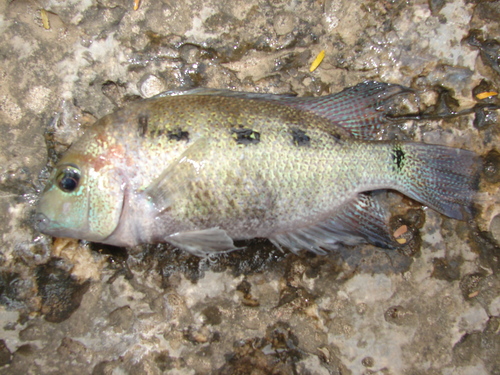
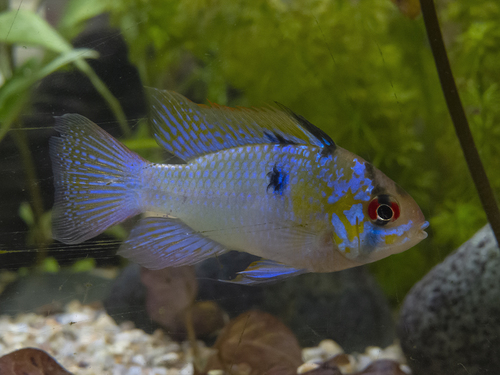
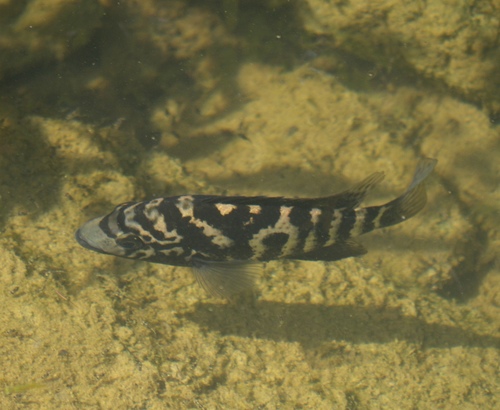
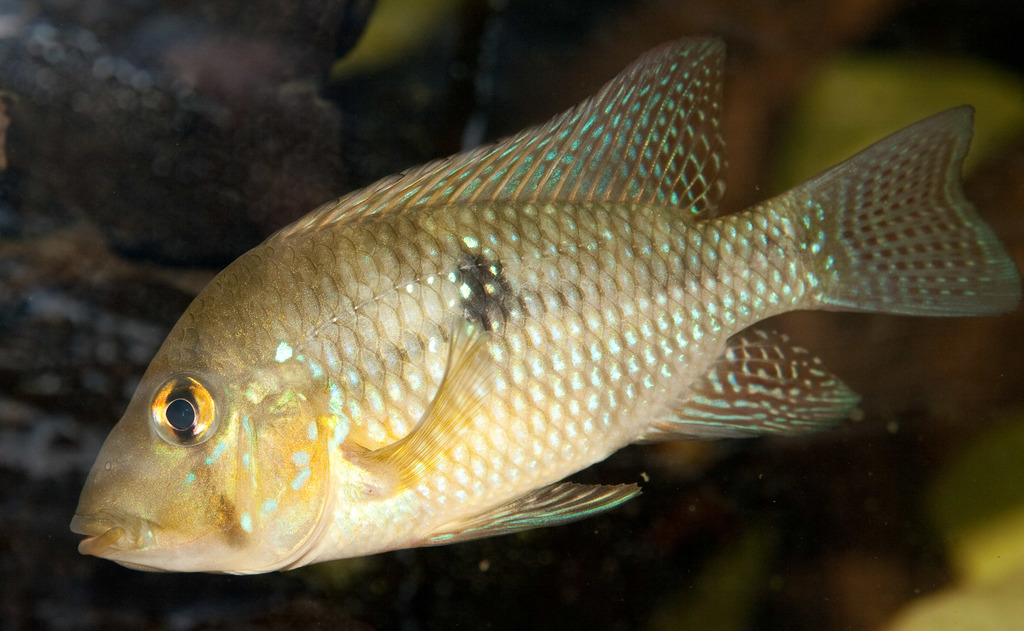
The Gold Dust Geophagus (Geophagus alto sinu) is an enchanting freshwater species native to the river systems of South America, particularly in the Amazon Basin. Known for their vibrant gold and blue coloration, these cichlids are a stunning addition to any aquarium. They exhibit a unique body shape, characterized by a laterally compressed form and elongated dorsal and anal fins, which enhance their visual appeal. Adult specimens can reach up to 20 cm in length, making them a notable centerpiece in larger aquariums.
Behaviorally, Gold Dust Geophagus are known for their peaceful disposition, especially when housed with compatible species. They are substrate feeders, sifting through sand to forage for food, which showcases their natural digging behavior. This species is also known for its territorial nature during breeding, often establishing a designated area where they display nesting rituals. Their social structure is fascinating, as they thrive in groups but require sufficient space to avoid stress and aggression, especially during breeding seasons.
In terms of habitat, Gold Dust Geophagus prefer slow-moving waters with sandy bottoms, abundant vegetation, and plenty of hiding spots. Such environments support their natural behaviors and dietary needs, making it essential for aquarists to replicate these conditions in captivity. Providing a well-structured aquascape with both open swimming areas and sheltered spots is crucial for their well-being, promoting both their health and activity levels.
Overall, the Gold Dust Geophagus is not only a visually stunning species but also an interesting one that displays complex behaviors, making it a popular choice among aquarium enthusiasts and importers alike.
Behaviorally, Gold Dust Geophagus are known for their peaceful disposition, especially when housed with compatible species. They are substrate feeders, sifting through sand to forage for food, which showcases their natural digging behavior. This species is also known for its territorial nature during breeding, often establishing a designated area where they display nesting rituals. Their social structure is fascinating, as they thrive in groups but require sufficient space to avoid stress and aggression, especially during breeding seasons.
In terms of habitat, Gold Dust Geophagus prefer slow-moving waters with sandy bottoms, abundant vegetation, and plenty of hiding spots. Such environments support their natural behaviors and dietary needs, making it essential for aquarists to replicate these conditions in captivity. Providing a well-structured aquascape with both open swimming areas and sheltered spots is crucial for their well-being, promoting both their health and activity levels.
Overall, the Gold Dust Geophagus is not only a visually stunning species but also an interesting one that displays complex behaviors, making it a popular choice among aquarium enthusiasts and importers alike.
For successful care of Gold Dust Geophagus, maintaining optimal water parameters is essential. They thrive in temperatures between 24-28°C and prefer a pH range of 6.0 to 7.5. A minimum tank size of 200 liters is recommended to provide ample space for swimming and territorial behavior.
Feeding these fish is relatively straightforward, as they are omnivorous. A varied diet consisting of high-quality pellets, frozen or live foods like brine shrimp and bloodworms, along with occasional vegetable matter, will ensure they receive proper nutrition. It's important to observe their feeding habits and adjust portion sizes to prevent overfeeding.
Compatibility is an important factor; while Gold Dust Geophagus are generally peaceful, they can be territorial, particularly during breeding. Suitable tank mates include larger, non-aggressive cichlids and other peaceful species that inhabit similar environments. Acclimation should be done gradually, using drip acclimation techniques to minimize stress. Quarantine new arrivals for at least two weeks to prevent the introduction of diseases into established tanks.
Overall, Gold Dust Geophagus require attentive care, a balanced diet, and a suitable environment to thrive, making them a rewarding species for both importers and hobbyists.
Feeding these fish is relatively straightforward, as they are omnivorous. A varied diet consisting of high-quality pellets, frozen or live foods like brine shrimp and bloodworms, along with occasional vegetable matter, will ensure they receive proper nutrition. It's important to observe their feeding habits and adjust portion sizes to prevent overfeeding.
Compatibility is an important factor; while Gold Dust Geophagus are generally peaceful, they can be territorial, particularly during breeding. Suitable tank mates include larger, non-aggressive cichlids and other peaceful species that inhabit similar environments. Acclimation should be done gradually, using drip acclimation techniques to minimize stress. Quarantine new arrivals for at least two weeks to prevent the introduction of diseases into established tanks.
Overall, Gold Dust Geophagus require attentive care, a balanced diet, and a suitable environment to thrive, making them a rewarding species for both importers and hobbyists.
Gold Dust Geophagus are well-suited for shipping due to their hardy nature. Packing density should allow for adequate oxygen exchange, typically 1-2 fish per liter of water. They are sensitive to temperature fluctuations, so maintaining a stable temperature between 24-28°C during transit is crucial. Ensure proper insulation of shipping containers. Currently, there are no CITES restrictions applicable to this species.
Species Parameters
Max Adult Size
20.0 cm
Origin
Amazon Basin
Diet
omnivore
Temp Min
24.0 °C
Temp Max
28.0 °C
pH Min
6.00
pH Max
7.50
Min Tank
200 L