Golden Macmaster's Apisto
Apistogramma macmasteri
Out of Stock
Scarce stock
Wild Caught
Moderate care
Not Reef Safe
SKU: 01-A-03-376-01
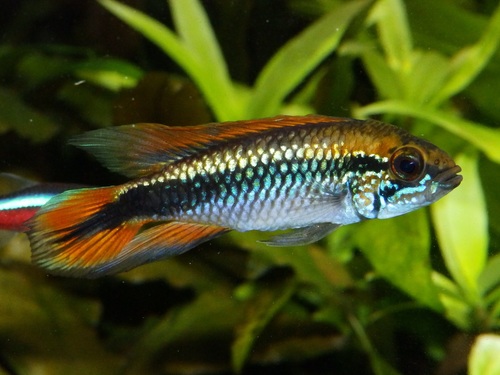
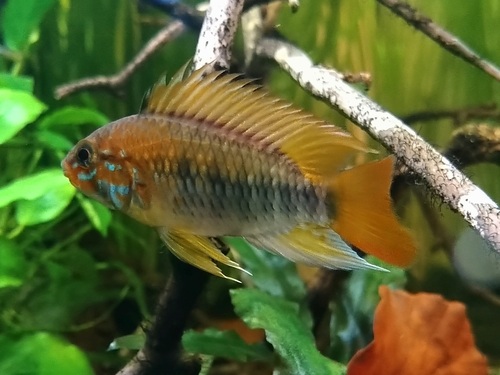
The Golden Macmaster's Apisto is a vibrant freshwater fish known for its striking coloration and engaging behavior.
Pricing for Verified Importers
Log in to see wholesale prices and order.
Export Size
up to 7.5 cm
Origin
Amazon Basin
Temperature
24.0–28.0°C
Min. Tank Size
100 L
pH
6.00–7.50
Diet
omnivore
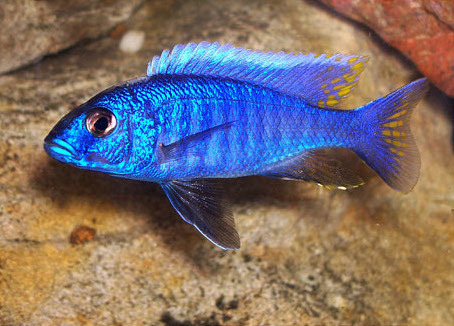
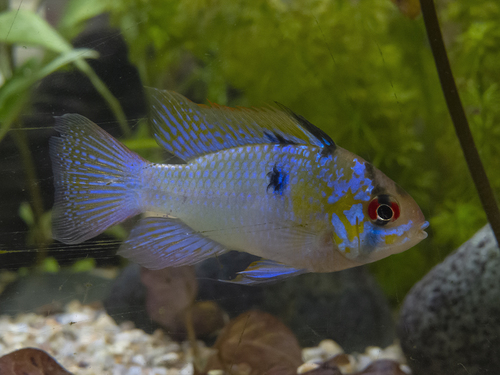
The Golden Macmaster's Apisto (Apistogramma macmasteri) is a captivating freshwater cichlid originating from the slow-moving waters of South America. This species is particularly noted for its vivid yellow and orange hues, which are especially pronounced in males. Females exhibit a more subdued color palette, often adorned with subtle patterns that contribute to their charm. Adult fish typically reach a size of about 7.5 centimeters, making them suitable for smaller aquariums.
In terms of behavior, the Golden Macmaster's Apisto is known for its territorial nature, particularly during breeding periods. Males will assert dominance over their space, often displaying elaborate courtship behaviors to attract females. These fish prefer to inhabit densely vegetated areas in the wild, which provides both shelter and hunting grounds for their natural prey. Their shy demeanor can make them less visible at times, highlighting the importance of providing plenty of hiding spots in a home aquarium.
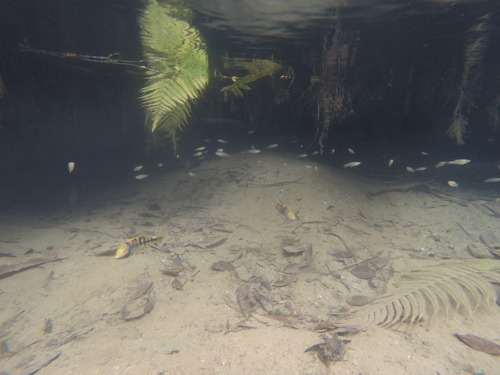
The natural habitat of the Golden Macmaster's Apisto includes rivers and streams with soft, acidic waters, rich in leaf litter and organic material. This environment supports a diverse range of microorganisms that form the primary diet of these cichlids. Understanding their natural habitat is crucial for maintaining their health and well-being in captivity.
Overall, the Golden Macmaster's Apisto is not only a visually stunning addition to any freshwater aquarium but also offers unique behavioral traits that delight hobbyists and aquarists alike. Their engaging personalities and breeding behaviors make them a popular choice among enthusiasts seeking a dynamic and colorful freshwater species.
In terms of behavior, the Golden Macmaster's Apisto is known for its territorial nature, particularly during breeding periods. Males will assert dominance over their space, often displaying elaborate courtship behaviors to attract females. These fish prefer to inhabit densely vegetated areas in the wild, which provides both shelter and hunting grounds for their natural prey. Their shy demeanor can make them less visible at times, highlighting the importance of providing plenty of hiding spots in a home aquarium.
The natural habitat of the Golden Macmaster's Apisto includes rivers and streams with soft, acidic waters, rich in leaf litter and organic material. This environment supports a diverse range of microorganisms that form the primary diet of these cichlids. Understanding their natural habitat is crucial for maintaining their health and well-being in captivity.
Overall, the Golden Macmaster's Apisto is not only a visually stunning addition to any freshwater aquarium but also offers unique behavioral traits that delight hobbyists and aquarists alike. Their engaging personalities and breeding behaviors make them a popular choice among enthusiasts seeking a dynamic and colorful freshwater species.
To successfully care for the Golden Macmaster's Apisto, it is essential to replicate their natural environment as closely as possible. The ideal water parameters include a temperature range of 24 to 28 degrees Celsius, a pH of 6.0 to 7.5, and soft water conditions. Regular water changes and maintaining good filtration will help ensure stable water quality, which is crucial for their health.
Feeding these cichlids should consist of a varied diet that includes high-quality pellets, live foods, and frozen options like brine shrimp and daphnia. They are omnivorous but benefit from a diet rich in protein to support their growth and vibrant coloration. It's also important to monitor their behavior during feeding to ensure all fish are getting adequate nutrition.
Compatibility is key when housing Golden Macmaster's Apisto. They can coexist peacefully with other peaceful freshwater species but should be kept in a well-planted tank to provide hiding spots. Male-female pairs can be housed together, but caution should be exercised to prevent aggression during breeding. Acclimation should be done gradually to minimize stress, using the drip acclimation method for best results.
Quarantine new arrivals for at least two weeks to prevent the introduction of diseases into the main tank. This practice is crucial for maintaining a healthy environment and allows time to observe any potential health issues before integrating them into community settings.
Feeding these cichlids should consist of a varied diet that includes high-quality pellets, live foods, and frozen options like brine shrimp and daphnia. They are omnivorous but benefit from a diet rich in protein to support their growth and vibrant coloration. It's also important to monitor their behavior during feeding to ensure all fish are getting adequate nutrition.
Compatibility is key when housing Golden Macmaster's Apisto. They can coexist peacefully with other peaceful freshwater species but should be kept in a well-planted tank to provide hiding spots. Male-female pairs can be housed together, but caution should be exercised to prevent aggression during breeding. Acclimation should be done gradually to minimize stress, using the drip acclimation method for best results.
Quarantine new arrivals for at least two weeks to prevent the introduction of diseases into the main tank. This practice is crucial for maintaining a healthy environment and allows time to observe any potential health issues before integrating them into community settings.
The Golden Macmaster's Apisto is suitable for shipping in well-regulated conditions. They should be packed with adequate oxygen and water to maintain stability during transport. It is essential to keep the shipping temperature between 24 to 28 degrees Celsius to prevent stress. The species is not listed under CITES, simplifying export regulations.
Species Parameters
Max Adult Size
7.5 cm
Origin
Amazon Basin
Diet
omnivore
Temp Min
24.0 °C
Temp Max
28.0 °C
pH Min
6.00
pH Max
7.50
Min Tank
100 L