Parrot Cichlid
Hoplarchus psittacus
Out of Stock
Scarce stock
Wild Caught
Moderate care
Not Reef Safe
SKU: 01-A-03-212-01
Discover the vibrant Parrot Cichlid, a stunning addition to any freshwater aquarium.
Pricing for Verified Importers
Log in to see wholesale prices and order.
Export Size
up to 35.0 cm
Origin
Amazon Basin
Temperature
24.0–30.0°C
Min. Tank Size
200 L
pH
6.00–7.50
Diet
omnivore
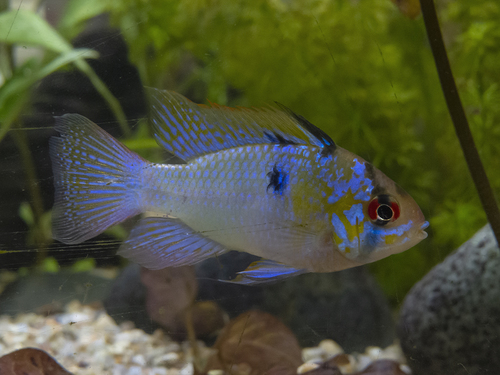
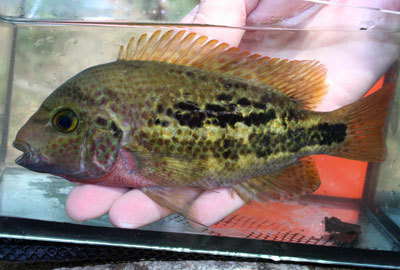
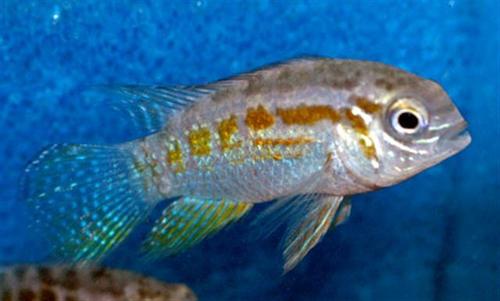
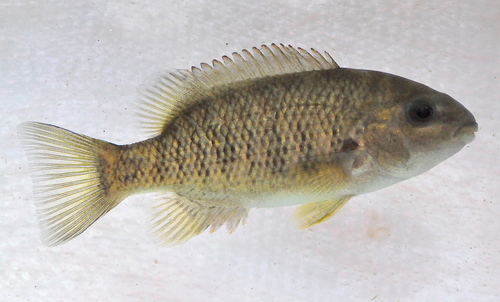
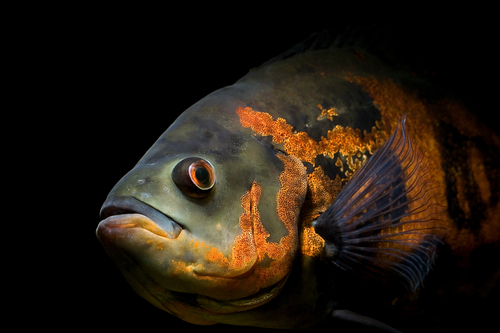
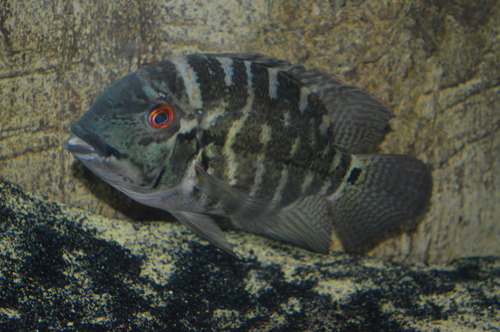
The Parrot Cichlid (Hoplarchus psittacus) is a captivating freshwater fish renowned for its striking appearance and vibrant colors. This species is native to the blackwater rivers of Brazil, Colombia, and Venezuela, thriving in the Rio Negro and its tributaries. Parrot Cichlids can grow up to 35 centimeters (14 inches) in length, making them a noticeable presence in any aquatic environment. They are characterized by their distinctively rounded bodies and large, expressive mouths that resemble a parrot’s beak, which gives them their common name.
In their natural habitat, Parrot Cichlids are often found in slow-moving waters with dense vegetation. These fish prefer soft, acidic waters rich in organic material, which is crucial for their health and well-being. They exhibit a range of colors, including vibrant shades of green, blue, and yellow, depending on their environment and mood. Their unique coloration and behavior make them a popular choice for aquarists looking to add a dynamic species to their collections.
Behaviorally, Parrot Cichlids are known for their semi-aggressive nature, particularly during breeding periods. They form pairs and exhibit territorial behavior, which can make them challenging to house with other species. However, when provided with ample space and hiding spots, they can coexist with other fish. Their social structure and breeding rituals are fascinating to observe, as they engage in elaborate courtship displays and parental care.
Overall, Parrot Cichlids are not only a visual delight but also possess intriguing behaviors that can enhance the aquarium experience. Their adaptability to various freshwater conditions, alongside their unique characteristics, makes them a sought-after species in the aquarium trade.
In their natural habitat, Parrot Cichlids are often found in slow-moving waters with dense vegetation. These fish prefer soft, acidic waters rich in organic material, which is crucial for their health and well-being. They exhibit a range of colors, including vibrant shades of green, blue, and yellow, depending on their environment and mood. Their unique coloration and behavior make them a popular choice for aquarists looking to add a dynamic species to their collections.
Behaviorally, Parrot Cichlids are known for their semi-aggressive nature, particularly during breeding periods. They form pairs and exhibit territorial behavior, which can make them challenging to house with other species. However, when provided with ample space and hiding spots, they can coexist with other fish. Their social structure and breeding rituals are fascinating to observe, as they engage in elaborate courtship displays and parental care.
Overall, Parrot Cichlids are not only a visual delight but also possess intriguing behaviors that can enhance the aquarium experience. Their adaptability to various freshwater conditions, alongside their unique characteristics, makes them a sought-after species in the aquarium trade.
To successfully keep Parrot Cichlids, it is essential to replicate their natural habitat as closely as possible. Water parameters should be maintained at a temperature between 24°C to 30°C, with a pH level of 6.0 to 7.5. Soft, acidic water is ideal, and regular water changes help maintain optimal conditions. A minimum tank size of 200 liters is recommended to provide them with enough space to thrive and establish territories.
Feeding should consist of a balanced diet that includes high-quality pellets, frozen or live foods, and vegetables. They are omnivorous, so a varied diet will support their health and vibrant coloration. When introducing new fish, acclimation should be done gradually to minimize stress. Quarantine new arrivals for at least two weeks before adding them to the main tank to prevent the spread of disease.
Compatibility can be a challenge due to their semi-aggressive nature, so it is advisable to house them with similarly sized or robust species. Avoid small or overly timid fish that may become targets. Providing plenty of hiding spots with rocks and plants can help reduce territorial aggression and create a more harmonious environment.
Feeding should consist of a balanced diet that includes high-quality pellets, frozen or live foods, and vegetables. They are omnivorous, so a varied diet will support their health and vibrant coloration. When introducing new fish, acclimation should be done gradually to minimize stress. Quarantine new arrivals for at least two weeks before adding them to the main tank to prevent the spread of disease.
Compatibility can be a challenge due to their semi-aggressive nature, so it is advisable to house them with similarly sized or robust species. Avoid small or overly timid fish that may become targets. Providing plenty of hiding spots with rocks and plants can help reduce territorial aggression and create a more harmonious environment.
Parrot Cichlids are suitable for shipping due to their hardiness, but care should be taken to ensure proper packing. Recommended packing density is one fish per 5 liters to minimize stress during transit. Maintain a water temperature between 24°C to 28°C during shipping to ensure their well-being. As a species not listed under CITES, they can be exported without additional restrictions, making them an attractive option for wholesalers.
Species Parameters
Max Adult Size
35.0 cm
Origin
Amazon Basin
Diet
omnivore
Temp Min
24.0 °C
Temp Max
30.0 °C
pH Min
6.00
pH Max
7.50
Min Tank
200 L