Red Bay Snook
Petenia splendida
Out of Stock
Scarce stock
Wild Caught
Moderate care
Not Reef Safe
SKU: 01-A-03-317-03
Discover the vibrant Red Bay Snook, a stunning freshwater cichlid from Central America.
Pricing for Verified Importers
Log in to see wholesale prices and order.
Export Size
up to 30.0 cm
Origin
Central America
Temperature
24.0–28.0°C
Min. Tank Size
150 L
pH
6.50–7.50
Diet
carnivore
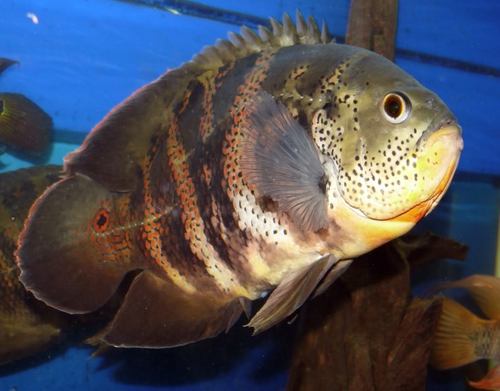
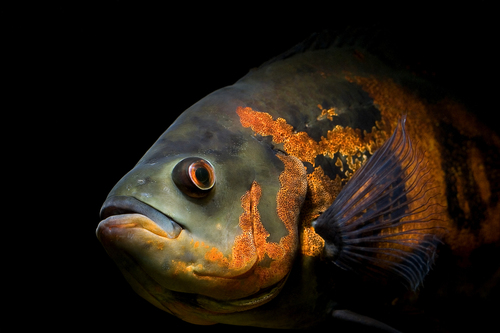
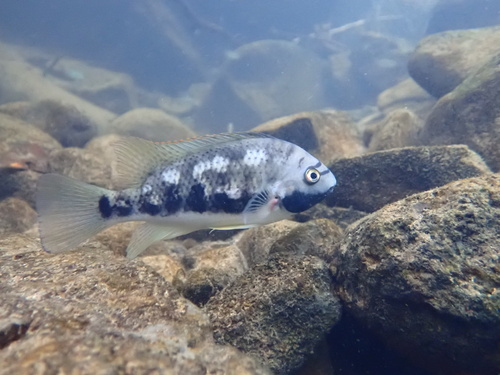
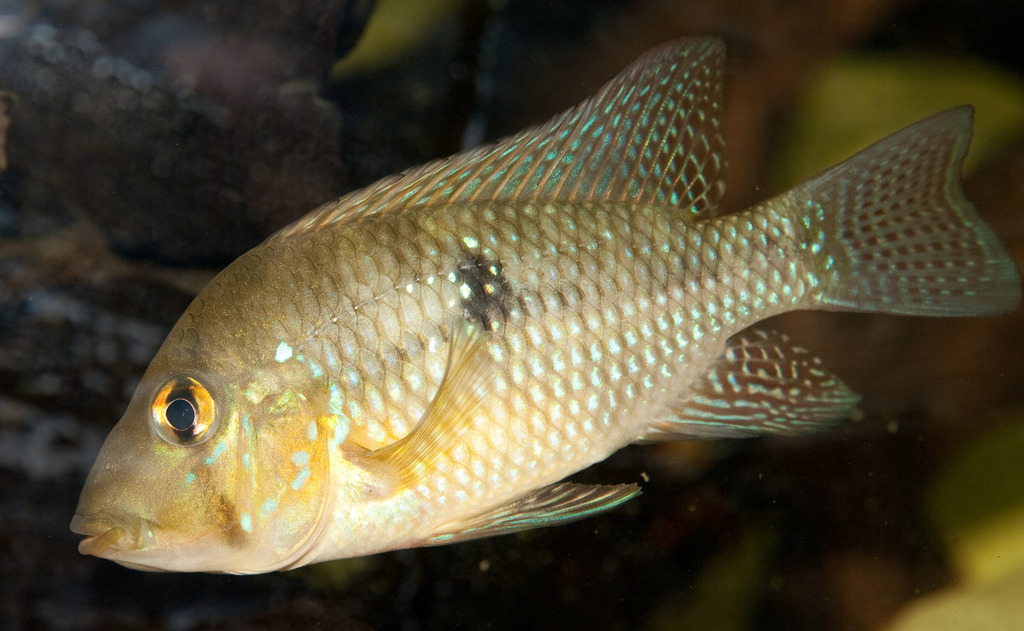
Petenia splendida, commonly known as the Red Bay Snook, is a remarkable freshwater fish native to the lakes and rivers of Guatemala and northern Central America. This species is particularly valued in local commercial fisheries for its striking appearance and robust nature. The Red Bay Snook exhibits a beautiful coloration, typically featuring a blend of deep reds and vibrant yellows, making it a visually stunning addition to any aquarium setup.
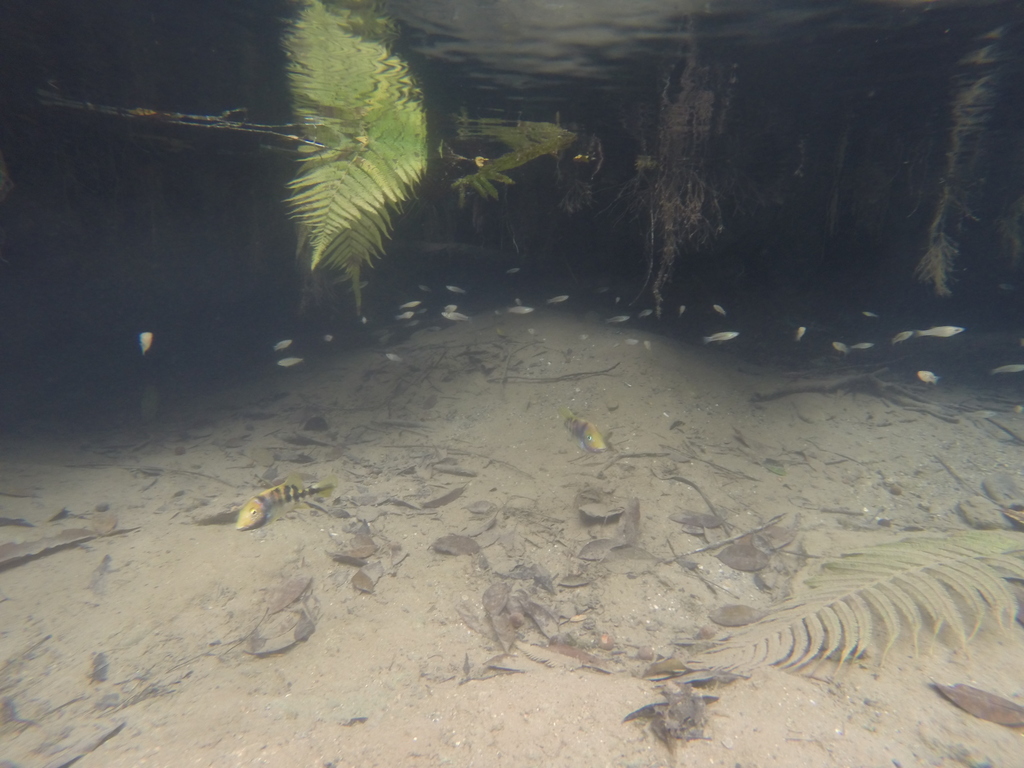
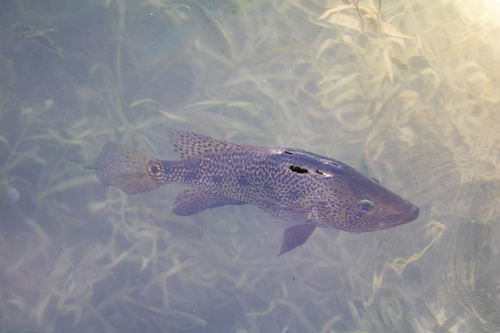
In the wild, Red Bay Snooks inhabit slow-moving rivers and lakes, often found in areas with ample vegetation and rocky substrates. Their natural habitat provides not only shelter but also a rich source of food, which primarily consists of smaller fish and invertebrates. With a bold and territorial temperament, these cichlids are known for their engaging behavior, often displaying complex interactions with tank mates and exhibiting unique breeding rituals.
Adult Red Bay Snooks can grow to an impressive size, reaching lengths of up to 30 cm (12 inches), making them a noteworthy centerpiece in larger aquariums. Their elongated bodies and distinctive coloration allow them to stand out, while their active swimming patterns add dynamism to the aquatic environment. Keeping them in a well-maintained tank with sufficient space and hiding spots is crucial for ensuring their health and well-being.
Due to their adaptability, Red Bay Snooks can thrive in a variety of freshwater environments, provided that their specific needs are met. Their presence in both commercial and hobbyist settings highlights their importance not only as a fish species but also as a part of the aquatic ecosystem in which they reside.
In the wild, Red Bay Snooks inhabit slow-moving rivers and lakes, often found in areas with ample vegetation and rocky substrates. Their natural habitat provides not only shelter but also a rich source of food, which primarily consists of smaller fish and invertebrates. With a bold and territorial temperament, these cichlids are known for their engaging behavior, often displaying complex interactions with tank mates and exhibiting unique breeding rituals.
Adult Red Bay Snooks can grow to an impressive size, reaching lengths of up to 30 cm (12 inches), making them a noteworthy centerpiece in larger aquariums. Their elongated bodies and distinctive coloration allow them to stand out, while their active swimming patterns add dynamism to the aquatic environment. Keeping them in a well-maintained tank with sufficient space and hiding spots is crucial for ensuring their health and well-being.
Due to their adaptability, Red Bay Snooks can thrive in a variety of freshwater environments, provided that their specific needs are met. Their presence in both commercial and hobbyist settings highlights their importance not only as a fish species but also as a part of the aquatic ecosystem in which they reside.
To successfully care for Red Bay Snooks, it is essential to maintain stable water parameters suited to their needs. Ideal temperature ranges from 24°C to 28°C, with a pH level between 6.5 and 7.5. Regular water changes and filtration will help maintain optimal water quality, as these fish are sensitive to poor conditions. A tank size of at least 150 liters is recommended to provide ample swimming space and territories.
Feeding Red Bay Snooks is relatively straightforward, as they are primarily carnivorous. A varied diet consisting of high-quality pellets, live or frozen foods such as shrimp, and other protein sources will promote their health and vibrancy. Care should be taken to avoid overfeeding, which can lead to water quality issues.
In terms of compatibility, Red Bay Snooks are best kept with similarly sized fish that can withstand their territorial nature. Avoid housing them with smaller fish that may become targets. When introducing new fish, it is crucial to acclimate them slowly to prevent stress. Quarantine any new arrivals for at least two weeks to monitor for diseases before adding them to the main tank.
Feeding Red Bay Snooks is relatively straightforward, as they are primarily carnivorous. A varied diet consisting of high-quality pellets, live or frozen foods such as shrimp, and other protein sources will promote their health and vibrancy. Care should be taken to avoid overfeeding, which can lead to water quality issues.
In terms of compatibility, Red Bay Snooks are best kept with similarly sized fish that can withstand their territorial nature. Avoid housing them with smaller fish that may become targets. When introducing new fish, it is crucial to acclimate them slowly to prevent stress. Quarantine any new arrivals for at least two weeks to monitor for diseases before adding them to the main tank.
Red Bay Snooks are suitable for shipping, provided proper precautions are taken. They should be packed in well-oxygenated bags with appropriate water conditions to ensure their well-being during transport. A packing density of 1-2 fish per liter is recommended, depending on their size. These fish are sensitive to temperature fluctuations, so maintaining a stable environment during shipping is essential. Currently, there are no CITES restrictions for this species.
Species Parameters
Max Adult Size
30.0 cm
Origin
Central America
Diet
carnivore
Temp Min
24.0 °C
Temp Max
28.0 °C
pH Min
6.50
pH Max
7.50
Min Tank
150 L