Leaping Barb (Wild)
Chela caeruleostigmata
Out of Stock
Scarce stock
Wild Caught
Moderate care
Not Reef Safe
SKU: 01-A-17-020-15
Discover the vibrant Leaping Barb, known for its energetic leaps and striking colors.
Pricing for Verified Importers
Log in to see wholesale prices and order.
Export Size
up to 5.0 cm
Origin
Southeast Asia
Temperature
22.0–28.0°C
Min. Tank Size
100 L
pH
6.50–7.50
Diet
omnivore
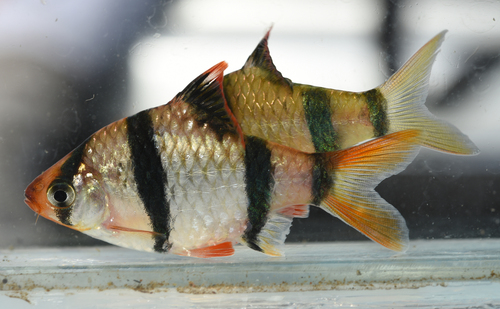
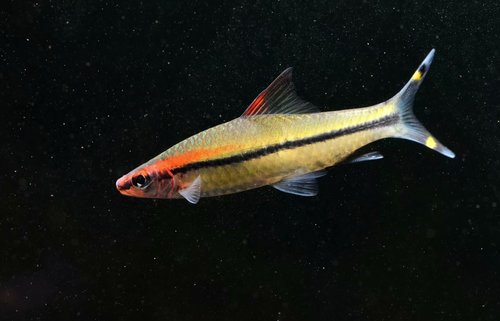
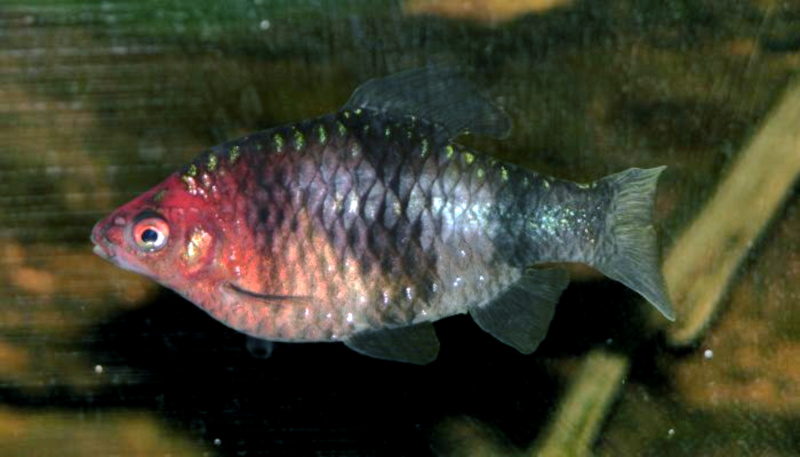
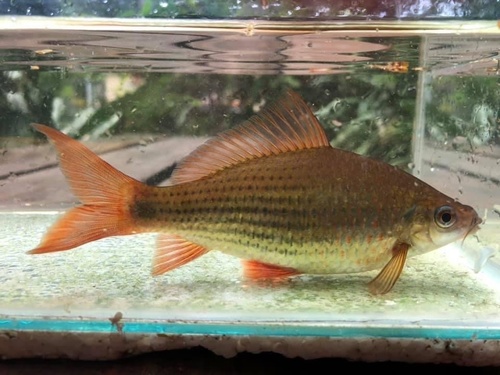
The Leaping Barb (Chela caeruleostigmata) is a captivating freshwater fish native to the rivers and streams of Southeast Asia, particularly found in Bali, Indonesia. This species is distinguished by its remarkable ability to leap out of the water, a behavior that serves both as a means of escaping predators and as a form of social interaction during mating displays. The Leaping Barb showcases vibrant colors, with iridescent blue and green hues that shimmer under sunlight, making it a visually striking addition to any aquarium.
In terms of natural habitat, these fish thrive in clear, flowing waters rich in vegetation. They prefer shallow waters with abundant cover from plants and rocky substrates, which provide both foraging opportunities and protection from predators. Leaping Barbs are social creatures, often found in small to medium-sized schools, where they exhibit playful and dynamic interactions. Their active nature and agile movements add liveliness to their environment, capturing the attention of aquarists and viewers alike.
Behaviorally, the Leaping Barb is known for its energetic swimming and leaping abilities. This species engages in both surface feeding and foraging among aquatic plants, showcasing a variety of feeding behaviors. Their lively disposition makes them a popular choice for community tanks, where they can coexist with various other freshwater species, provided compatibility is considered. Leaping Barbs are often seen darting around the tank, making them a joy to observe for aquarists of all experience levels.
Overall, the Leaping Barb is not just another freshwater fish; its unique behavior, stunning appearance, and social nature make it a standout choice for aquarists looking to enhance their aquatic displays. With proper care and attention to their habitat needs, these fish can thrive and bring a splash of energy to your aquarium.
In terms of natural habitat, these fish thrive in clear, flowing waters rich in vegetation. They prefer shallow waters with abundant cover from plants and rocky substrates, which provide both foraging opportunities and protection from predators. Leaping Barbs are social creatures, often found in small to medium-sized schools, where they exhibit playful and dynamic interactions. Their active nature and agile movements add liveliness to their environment, capturing the attention of aquarists and viewers alike.
Behaviorally, the Leaping Barb is known for its energetic swimming and leaping abilities. This species engages in both surface feeding and foraging among aquatic plants, showcasing a variety of feeding behaviors. Their lively disposition makes them a popular choice for community tanks, where they can coexist with various other freshwater species, provided compatibility is considered. Leaping Barbs are often seen darting around the tank, making them a joy to observe for aquarists of all experience levels.
Overall, the Leaping Barb is not just another freshwater fish; its unique behavior, stunning appearance, and social nature make it a standout choice for aquarists looking to enhance their aquatic displays. With proper care and attention to their habitat needs, these fish can thrive and bring a splash of energy to your aquarium.
To successfully care for Leaping Barbs, it is essential to maintain optimal water parameters. These fish thrive in temperatures ranging from 22°C to 28°C, with a pH level between 6.5 and 7.5. A minimum tank size of 100 liters is recommended to accommodate their active nature and schooling behavior. It is advisable to provide plenty of hiding spots and plants to mimic their natural habitat and reduce stress.
Feeding Leaping Barbs is relatively simple, as they are omnivorous. A varied diet including high-quality flake food, frozen or live foods such as brine shrimp, and vegetable matter will ensure their nutritional needs are met. Regular feeding schedules should be established, with small portions to prevent overfeeding.
Compatibility is key when housing Leaping Barbs. They are generally peaceful and do well in community tanks with other non-aggressive species. However, avoid housing them with larger predatory fish that may see them as prey. Acclimation should be conducted slowly, allowing the fish to adjust to their new environment, ideally over a period of several hours.
Quarantine procedures are recommended for new arrivals to prevent potential disease outbreaks. A separate tank should be set up to monitor the fish for at least two weeks before introducing them to the main aquarium. This practice helps ensure a healthy environment for all inhabitants.
Feeding Leaping Barbs is relatively simple, as they are omnivorous. A varied diet including high-quality flake food, frozen or live foods such as brine shrimp, and vegetable matter will ensure their nutritional needs are met. Regular feeding schedules should be established, with small portions to prevent overfeeding.
Compatibility is key when housing Leaping Barbs. They are generally peaceful and do well in community tanks with other non-aggressive species. However, avoid housing them with larger predatory fish that may see them as prey. Acclimation should be conducted slowly, allowing the fish to adjust to their new environment, ideally over a period of several hours.
Quarantine procedures are recommended for new arrivals to prevent potential disease outbreaks. A separate tank should be set up to monitor the fish for at least two weeks before introducing them to the main aquarium. This practice helps ensure a healthy environment for all inhabitants.
Leaping Barbs are suitable for shipping due to their hardiness, but care should be taken to maintain stable water conditions. Packing density should be moderate to ensure adequate oxygen levels during transit. Ideal shipping temperatures range between 22°C and 26°C to minimize stress. These fish are not listed under CITES, simplifying export regulations.
Species Parameters
Max Adult Size
5.0 cm
Origin
Southeast Asia
Diet
omnivore
Temp Min
22.0 °C
Temp Max
28.0 °C
pH Min
6.50
pH Max
7.50
Min Tank
100 L