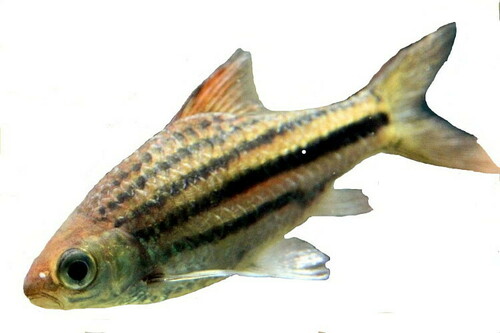
Lined Barb
Puntius lineatus
Out of Stock
Scarce stock
Wild Caught
Moderate care
Not Reef Safe
SKU: 01-A-17-047-08
The Lined Barb is a vibrant freshwater fish, known for its striking coloration and social behavior.
Pricing for Verified Importers
Log in to see wholesale prices and order.
Export Size
up to 10.0 cm
Origin
Southeast Asia
Temperature
22.0–28.0°C
Min. Tank Size
100 L
pH
6.50–7.50
Diet
omnivore
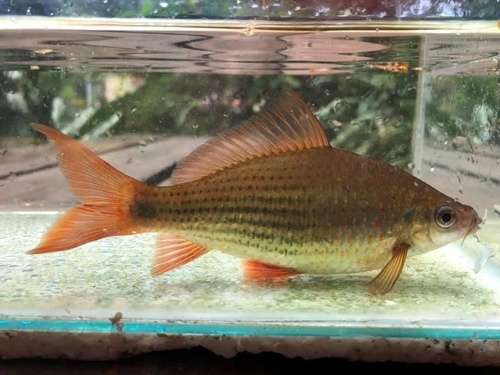
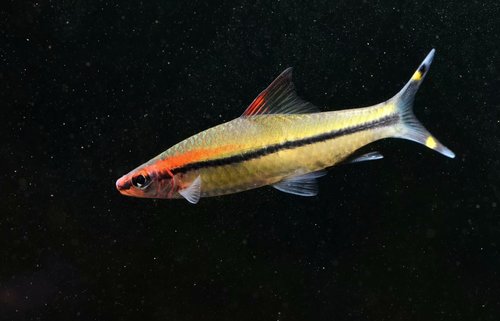
The Lined Barb (Puntius lineatus) is a captivating freshwater fish native to the rivers and streams of Southeast Asia, particularly in Indonesia. Characterized by its elongated body and vibrant coloration, this species features a series of striking black horizontal lines running along its sides, contrasting beautifully with its golden-yellow body. Their attractive appearance makes them a popular choice among aquarium enthusiasts and retailers alike.
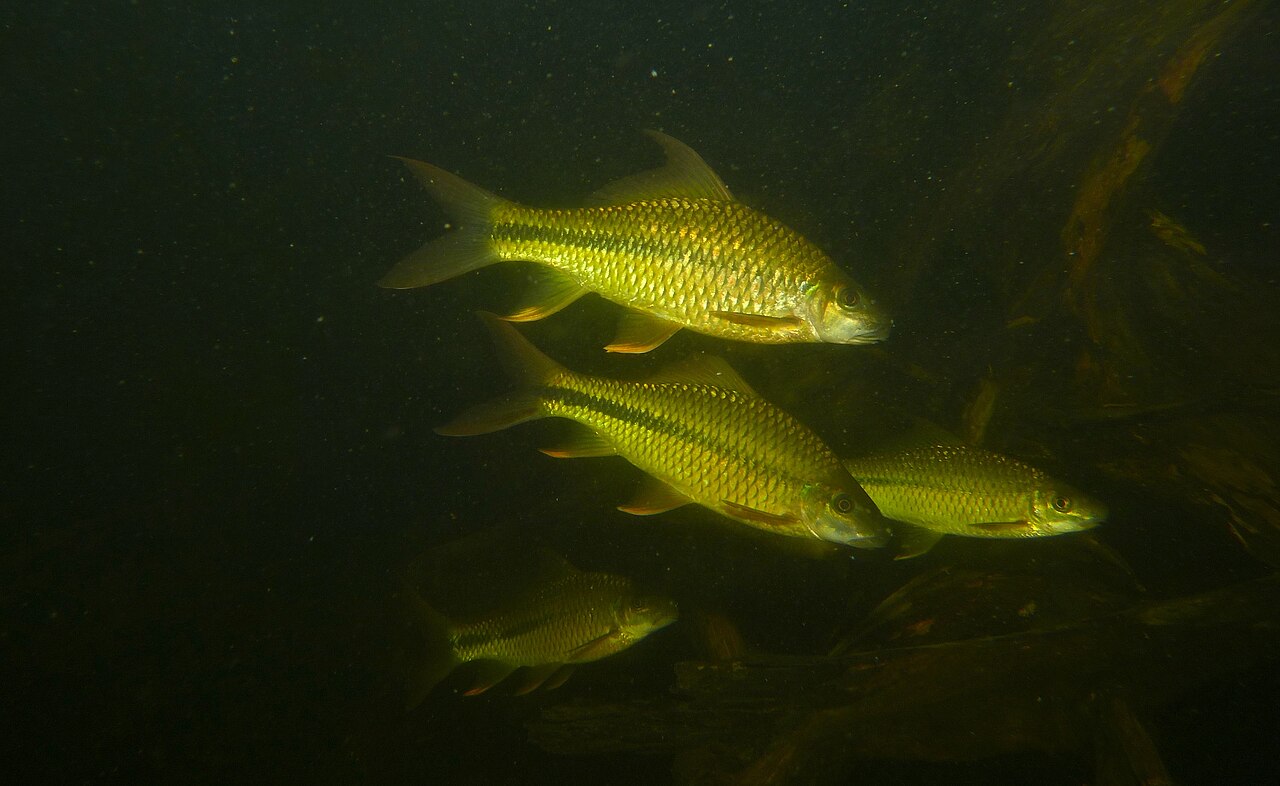
In terms of behavior, Lined Barbs are known for their active and social nature. They thrive in groups, which not only enhances their happiness but also highlights their natural behaviors. In the wild, they are often found in schools, darting about among vegetation and debris in their freshwater habitats. This schooling behavior is essential for their well-being in captivity, as solitary individuals may experience stress and exhibit aggressive tendencies.
Lined Barbs prefer environments with plenty of cover, including plants and driftwood, mimicking their natural habitat. They are typically found in slow-moving waters with a substrate of sand or fine gravel, where they forage for food. The presence of plants is crucial, as it provides hiding spots and breeding opportunities, making it vital for aquarists to replicate these conditions in their tanks to ensure the health and happiness of the fish.
Overall, the Lined Barb is not only visually appealing but also possesses a lively temperament, making it an ideal choice for community tanks, especially when paired with other peaceful species. Their adaptability to various water conditions further enhances their appeal for both hobbyists and wholesalers alike.
In terms of behavior, Lined Barbs are known for their active and social nature. They thrive in groups, which not only enhances their happiness but also highlights their natural behaviors. In the wild, they are often found in schools, darting about among vegetation and debris in their freshwater habitats. This schooling behavior is essential for their well-being in captivity, as solitary individuals may experience stress and exhibit aggressive tendencies.
Lined Barbs prefer environments with plenty of cover, including plants and driftwood, mimicking their natural habitat. They are typically found in slow-moving waters with a substrate of sand or fine gravel, where they forage for food. The presence of plants is crucial, as it provides hiding spots and breeding opportunities, making it vital for aquarists to replicate these conditions in their tanks to ensure the health and happiness of the fish.
Overall, the Lined Barb is not only visually appealing but also possesses a lively temperament, making it an ideal choice for community tanks, especially when paired with other peaceful species. Their adaptability to various water conditions further enhances their appeal for both hobbyists and wholesalers alike.
Caring for Lined Barbs requires attention to their specific environmental needs. Ideal water conditions include a temperature range of 22-28°C, a pH level between 6.5 and 7.5, and soft to moderately hard water. Regular water changes are crucial to maintain water quality, as these fish can be sensitive to pollutants.
In terms of diet, Lined Barbs are omnivorous and will thrive on a varied diet consisting of high-quality flakes, pellets, and occasional live or frozen foods such as brine shrimp or daphnia. It is essential to feed them multiple times a day in small amounts to prevent overfeeding and maintain optimal health.
Compatibility is another important aspect, as Lined Barbs do well in community tanks with other non-aggressive species. They should be kept in groups of at least five to ensure their social behavior is satisfied. Acclimation should be done slowly, allowing them to adjust to new water conditions over a period of several hours. Quarantine of new arrivals is recommended to prevent the spread of disease, ideally for 2-4 weeks before adding them to the main tank.
In terms of diet, Lined Barbs are omnivorous and will thrive on a varied diet consisting of high-quality flakes, pellets, and occasional live or frozen foods such as brine shrimp or daphnia. It is essential to feed them multiple times a day in small amounts to prevent overfeeding and maintain optimal health.
Compatibility is another important aspect, as Lined Barbs do well in community tanks with other non-aggressive species. They should be kept in groups of at least five to ensure their social behavior is satisfied. Acclimation should be done slowly, allowing them to adjust to new water conditions over a period of several hours. Quarantine of new arrivals is recommended to prevent the spread of disease, ideally for 2-4 weeks before adding them to the main tank.
Lined Barbs are suitable for shipping due to their hardiness and adaptability. When packing, it is advisable to use insulated boxes and oxygenated bags to maintain water quality during transit. The recommended packing density is 1 fish per 1-2 liters of water to ensure adequate space and reduce stress. They are temperature sensitive, so maintaining a stable temperature between 22-28°C is crucial during shipping to prevent shock.
Species Parameters
Max Adult Size
10.0 cm
Origin
Southeast Asia
Diet
omnivore
Temp Min
22.0 °C
Temp Max
28.0 °C
pH Min
6.50
pH Max
7.50
Min Tank
100 L