Puntius trifasciatus
Desmopuntius trifasciatus
Out of Stock
Scarce stock
Wild Caught
Moderate care
Not Reef Safe
SKU: 01-A-17-025-07
Puntius trifasciatus, known for its striking stripes, is an eye-catching freshwater fish.
Pricing for Verified Importers
Log in to see wholesale prices and order.
Export Size
up to 10.0 cm
Origin
Southeast Asia
Temperature
24.0–28.0°C
Min. Tank Size
100 L
pH
6.50–7.50
Diet
omnivore
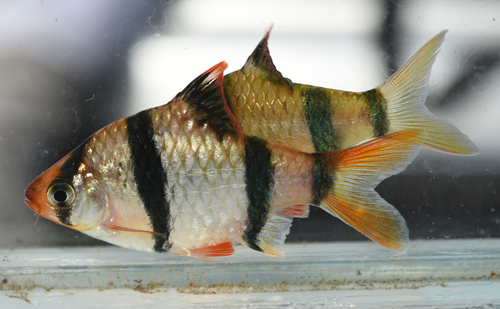
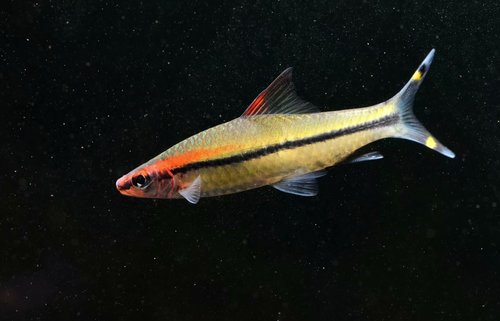
Puntius trifasciatus, commonly referred to as the three-striped barb, is a vibrant freshwater fish native to Southeast Asia, particularly found in the clear streams and rivers of Indonesia. This species exhibits a distinctive pattern of three bold black stripes running horizontally along its silvery body, making it a popular choice among aquarists looking for colorful additions to their tanks. The contrast between the stripes and the fish's iridescent scales creates a visually stunning effect that captivates both hobbyists and professionals alike.
In terms of behavior, Puntius trifasciatus is known to be a peaceful and social species, often found in groups in the wild. They thrive in schools, which not only provides safety from predators but also encourages natural behaviors. These fish are active swimmers, constantly darting around their environment, making them a lively presence in any aquarium setting. Their playful nature coupled with their striking appearance makes them a favorite among aquarium enthusiasts.
Habitat-wise, Puntius trifasciatus prefers well-oxygenated waters with plenty of vegetation, which serves as both shelter and a source of food. In its natural habitat, it feeds on small invertebrates, algae, and plant matter. This fish is adaptable to a range of freshwater environments, but it is important for aquarists to replicate its natural conditions for optimal health and longevity.
Overall, Puntius trifasciatus is not only a beautiful addition to any aquarium but also a species that plays a vital role in its ecosystem. Its presence can enhance the biodiversity of a tank while providing an engaging experience for observers.
In terms of behavior, Puntius trifasciatus is known to be a peaceful and social species, often found in groups in the wild. They thrive in schools, which not only provides safety from predators but also encourages natural behaviors. These fish are active swimmers, constantly darting around their environment, making them a lively presence in any aquarium setting. Their playful nature coupled with their striking appearance makes them a favorite among aquarium enthusiasts.
Habitat-wise, Puntius trifasciatus prefers well-oxygenated waters with plenty of vegetation, which serves as both shelter and a source of food. In its natural habitat, it feeds on small invertebrates, algae, and plant matter. This fish is adaptable to a range of freshwater environments, but it is important for aquarists to replicate its natural conditions for optimal health and longevity.
Overall, Puntius trifasciatus is not only a beautiful addition to any aquarium but also a species that plays a vital role in its ecosystem. Its presence can enhance the biodiversity of a tank while providing an engaging experience for observers.
To ensure the well-being of Puntius trifasciatus, it is essential to maintain suitable water parameters. The ideal temperature range is between 24°C to 28°C, with a pH level of 6.5 to 7.5. Regular water changes and good filtration will help maintain water quality. This species thrives in slightly acidic to neutral water, so monitoring these levels diligently is crucial.
Feeding Puntius trifasciatus is relatively straightforward, as they are omnivores. A varied diet consisting of high-quality flake food, pellets, and occasional live or frozen foods such as brine shrimp and daphnia will keep them healthy and vibrant. It is important to feed them small amounts multiple times a day rather than one large feeding.
In terms of compatibility, Puntius trifasciatus is a peaceful species that can be kept with other non-aggressive fish of similar size. They do best in groups of at least six to reduce stress and encourage natural schooling behavior. When introducing them to a new tank, proper acclimation is necessary to minimize shock; floating the sealed bag in the tank for about 15 minutes before releasing them is recommended.
Quarantine is also advised for new arrivals to prevent the introduction of diseases into the main tank. A separate quarantine tank can help monitor their health before they join the community tank, ensuring a healthy and thriving environment for all aquatic inhabitants.
Feeding Puntius trifasciatus is relatively straightforward, as they are omnivores. A varied diet consisting of high-quality flake food, pellets, and occasional live or frozen foods such as brine shrimp and daphnia will keep them healthy and vibrant. It is important to feed them small amounts multiple times a day rather than one large feeding.
In terms of compatibility, Puntius trifasciatus is a peaceful species that can be kept with other non-aggressive fish of similar size. They do best in groups of at least six to reduce stress and encourage natural schooling behavior. When introducing them to a new tank, proper acclimation is necessary to minimize shock; floating the sealed bag in the tank for about 15 minutes before releasing them is recommended.
Quarantine is also advised for new arrivals to prevent the introduction of diseases into the main tank. A separate quarantine tank can help monitor their health before they join the community tank, ensuring a healthy and thriving environment for all aquatic inhabitants.
Puntius trifasciatus is suitable for shipping, but care must be taken during transport. It is recommended to pack these fish in sturdy bags with adequate oxygen and water to maintain stability. The ideal shipping temperature should be maintained between 24°C and 28°C to prevent stress. A packing density of 1-2 fish per liter is advisable to ensure comfort during transit. This species is not currently listed under CITES, making it easier for export.
Species Parameters
Max Adult Size
10.0 cm
Origin
Southeast Asia
Diet
omnivore
Temp Min
24.0 °C
Temp Max
28.0 °C
pH Min
6.50
pH Max
7.50
Min Tank
100 L