Rohan's Tear Spot Barb
Dawkinsia rohani
In Stock
Common stock
Wild Caught
Moderate care
Not Reef Safe
SKU: 01-A-17-075-06
Discover the vibrant Rohan's Tear Spot Barb, a stunning addition to any freshwater aquarium.
Pricing for Verified Importers
Log in to see wholesale prices and order.
Export Size
up to 8.0 cm
Origin
Southeast Asia
Temperature
24.0–28.0°C
Min. Tank Size
90 L
pH
6.50–7.50
Diet
omnivore
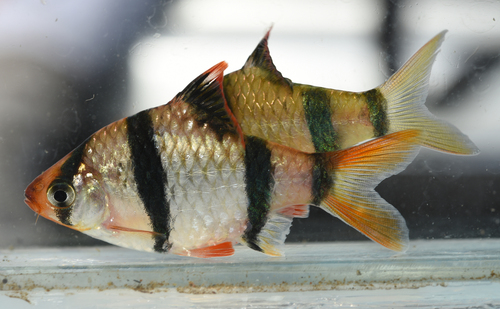
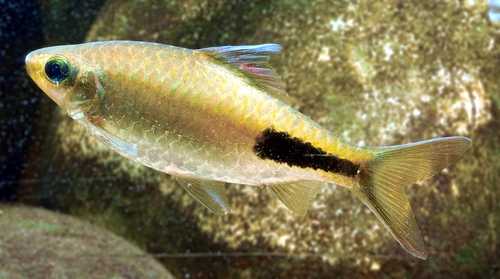
Rohan's Tear Spot Barb (Dawkinsia rohani) is a captivating freshwater fish native to the rivers and streams of Bali, Indonesia. This species is recognized for its striking appearance, featuring a body adorned with unique tear-shaped spots that give it its name. The coloration typically includes a blend of silver and shades of blue, making it a visually appealing choice for aquarists. As an active swimmer, Rohan's Tear Spot Barb adds dynamism to aquarium environments, showcasing its natural beauty as it interacts with tank mates.
In terms of behavior, Rohan's Tear Spot Barb is known for its peaceful and social nature, thriving in community tanks alongside other non-aggressive species. They prefer to be in schools, which enhances their confidence and reduces stress in captivity. In their natural habitat, these fish inhabit well-vegetated areas with moderate water flow, which provides both hiding spots and open spaces for swimming. This environmental preference translates into care requirements in aquariums, where plants and open swimming areas should be provided.
Rohan's Tear Spot Barb plays an essential role in the aquatic ecosystem, feeding on small invertebrates and plant matter in the wild. Their omnivorous diet means they adapt well to various feeding regimens in captivity, making them suitable for both novice and experienced aquarists. Understanding their natural behaviors and habitat needs allows for a more enriching experience for both the fish and the hobbyist.
Overall, Rohan's Tear Spot Barb is a species that combines beauty, social behavior, and adaptability, making it a desirable fish for any freshwater aquarium. Their unique markings and lively nature are sure to capture the attention of anyone who encounters them, both in natural settings and in home aquaria.
In terms of behavior, Rohan's Tear Spot Barb is known for its peaceful and social nature, thriving in community tanks alongside other non-aggressive species. They prefer to be in schools, which enhances their confidence and reduces stress in captivity. In their natural habitat, these fish inhabit well-vegetated areas with moderate water flow, which provides both hiding spots and open spaces for swimming. This environmental preference translates into care requirements in aquariums, where plants and open swimming areas should be provided.
Rohan's Tear Spot Barb plays an essential role in the aquatic ecosystem, feeding on small invertebrates and plant matter in the wild. Their omnivorous diet means they adapt well to various feeding regimens in captivity, making them suitable for both novice and experienced aquarists. Understanding their natural behaviors and habitat needs allows for a more enriching experience for both the fish and the hobbyist.
Overall, Rohan's Tear Spot Barb is a species that combines beauty, social behavior, and adaptability, making it a desirable fish for any freshwater aquarium. Their unique markings and lively nature are sure to capture the attention of anyone who encounters them, both in natural settings and in home aquaria.
To maintain the health and vibrancy of Rohan's Tear Spot Barb, it is crucial to replicate their natural habitat as closely as possible. Ideal water parameters include a temperature range of 24-28°C and a pH level between 6.5 and 7.5. Regular water changes and filtration are essential to keep the water clean and well-oxygenated. Since this species thrives in groups, it is recommended to keep at least six individuals together to encourage natural schooling behavior.
Feeding Rohan's Tear Spot Barb requires a varied diet to ensure their nutritional needs are met. High-quality flake food, supplemented with live or frozen foods such as daphnia and brine shrimp, will keep these fish healthy and active. Additionally, incorporating plant matter into their diet will mimic their natural feeding habits and promote their overall well-being.
When introducing Rohan's Tear Spot Barb to a new aquarium, it is important to acclimate them gradually to minimize stress. A drip acclimation method is advisable, allowing the fish to adjust slowly to the new water conditions. Quarantine new arrivals for at least two weeks to monitor for any signs of disease or stress before adding them to the main tank. Compatibility with other species is generally good, provided tank mates are similarly peaceful, creating a harmonious community environment.
Feeding Rohan's Tear Spot Barb requires a varied diet to ensure their nutritional needs are met. High-quality flake food, supplemented with live or frozen foods such as daphnia and brine shrimp, will keep these fish healthy and active. Additionally, incorporating plant matter into their diet will mimic their natural feeding habits and promote their overall well-being.
When introducing Rohan's Tear Spot Barb to a new aquarium, it is important to acclimate them gradually to minimize stress. A drip acclimation method is advisable, allowing the fish to adjust slowly to the new water conditions. Quarantine new arrivals for at least two weeks to monitor for any signs of disease or stress before adding them to the main tank. Compatibility with other species is generally good, provided tank mates are similarly peaceful, creating a harmonious community environment.
Rohan's Tear Spot Barb is well-suited for shipping due to its hardiness. Packing density should be moderate to allow for sufficient water movement within the bags. Maintain a shipping temperature between 22-26°C to ensure their well-being during transit. As a non-CITES species, there are no export restrictions, making it easier for wholesalers to source these fish from Bali.
Species Parameters
Max Adult Size
8.0 cm
Origin
Southeast Asia
Diet
omnivore
Temp Min
24.0 °C
Temp Max
28.0 °C
pH Min
6.50
pH Max
7.50
Min Tank
90 L