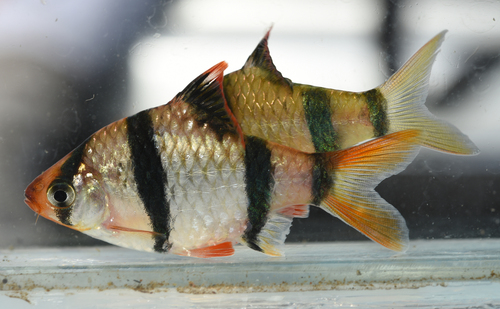
Tiger Barb Longfin
Capoeta tetrazona
In Stock
Common stock
Wild Caught
Moderate care
Not Reef Safe
SKU: 01-A-17-014-04
The Tiger Barb Longfin showcases stunning fins and vibrant colors, perfect for dynamic aquariums.
Pricing for Verified Importers
Log in to see wholesale prices and order.
Export Size
up to 6.0 cm
Origin
Southeast Asia
Temperature
22.0–28.0°C
Min. Tank Size
100 L
pH
6.00–7.50
Diet
omnivore
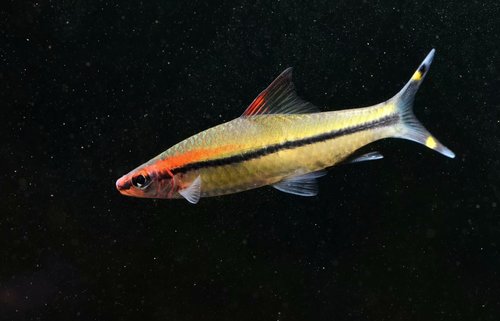
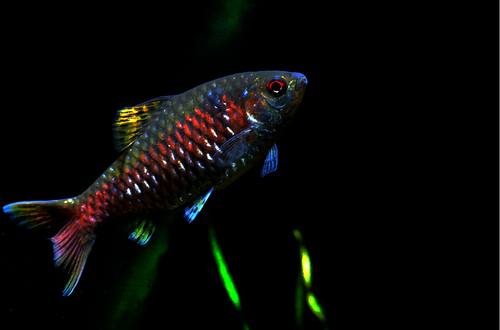
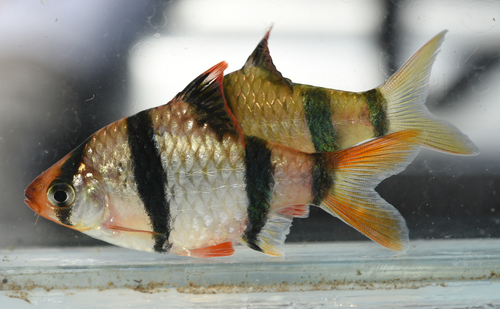
The Tiger Barb Longfin (Capoeta tetrazona) is a visually captivating freshwater fish known for its distinctive long, flowing fins and striking coloration. Originating from the rivers and lakes of Southeast Asia, this tropical cyprinid exhibits a golden body adorned with bold, dark vertical stripes, creating a tiger-like appearance that adds a dramatic flair to any aquarium. The longfin variant enhances its beauty, making it a sought-after choice for aquarists.
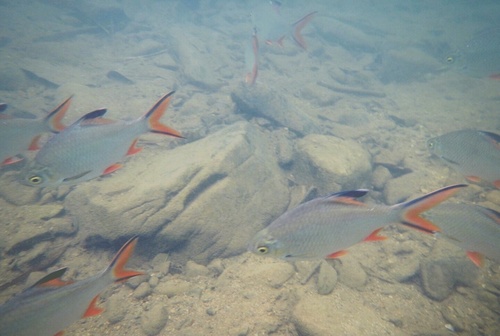
In the wild, Tiger Barbs thrive in schools, showcasing their natural behavior as they dart around in groups. Their active and playful nature makes them a joy to observe, as they often engage in social interactions and display their vibrant colors. These fish are known to be quite hardy, making them suitable for both novice and experienced aquarists alike. The Tiger Barb's dynamic behavior and striking appearance make it a centerpiece in community tanks, where they coexist peacefully with other species.
Tiger Barbs prefer well-planted tanks with ample swimming space and hiding spots to mimic their natural habitat. They are typically found in slow-moving waters with plenty of vegetation, which provides both cover and foraging opportunities. This species is adaptable to a range of water conditions, but they thrive best in slightly acidic to neutral pH levels, and temperatures between 24°C and 28°C (75°F to 82°F). Regular water changes and maintaining a clean environment are essential for their well-being.
Overall, the Tiger Barb Longfin is a vibrant and lively fish that contributes both beauty and activity to freshwater aquariums. Its playful demeanor and striking appearance make it a popular choice for importers and wholesalers looking to offer an attractive aquatic species to their customers.
In the wild, Tiger Barbs thrive in schools, showcasing their natural behavior as they dart around in groups. Their active and playful nature makes them a joy to observe, as they often engage in social interactions and display their vibrant colors. These fish are known to be quite hardy, making them suitable for both novice and experienced aquarists alike. The Tiger Barb's dynamic behavior and striking appearance make it a centerpiece in community tanks, where they coexist peacefully with other species.
Tiger Barbs prefer well-planted tanks with ample swimming space and hiding spots to mimic their natural habitat. They are typically found in slow-moving waters with plenty of vegetation, which provides both cover and foraging opportunities. This species is adaptable to a range of water conditions, but they thrive best in slightly acidic to neutral pH levels, and temperatures between 24°C and 28°C (75°F to 82°F). Regular water changes and maintaining a clean environment are essential for their well-being.
Overall, the Tiger Barb Longfin is a vibrant and lively fish that contributes both beauty and activity to freshwater aquariums. Its playful demeanor and striking appearance make it a popular choice for importers and wholesalers looking to offer an attractive aquatic species to their customers.
To ensure the health and vitality of Tiger Barb Longfins, it is crucial to maintain optimal water parameters. Ideal conditions include a temperature range of 24°C to 28°C, a pH level between 6.0 and 7.5, and soft to moderately hard water. Regular water changes of 10-15% weekly are recommended to keep the environment clean and stable.
Feeding Tiger Barbs is straightforward, as they are omnivorous. A varied diet including high-quality flake food, pellets, frozen or live foods like daphnia and bloodworms will keep them healthy and vibrant. It is important to avoid overfeeding and to remove any uneaten food to prevent water quality issues.
In terms of compatibility, Tiger Barbs are generally peaceful but can be fin-nippers, so they should be kept with similarly sized, active fish. Ideal tank mates include other barbs, danios, and tetras. When introducing new fish, acclimation should be done gradually to minimize stress. A quarantine period of at least two weeks is advisable for any new arrivals to avoid introducing diseases to the main tank.
Creating a suitable environment with ample swimming space, plants, and hiding spots will help reduce stress and promote natural behavior. A minimum tank size of 100 liters is recommended for a school of six or more Tiger Barbs. Overall, with the right care, these fish can thrive and bring life to any freshwater aquarium.
Feeding Tiger Barbs is straightforward, as they are omnivorous. A varied diet including high-quality flake food, pellets, frozen or live foods like daphnia and bloodworms will keep them healthy and vibrant. It is important to avoid overfeeding and to remove any uneaten food to prevent water quality issues.
In terms of compatibility, Tiger Barbs are generally peaceful but can be fin-nippers, so they should be kept with similarly sized, active fish. Ideal tank mates include other barbs, danios, and tetras. When introducing new fish, acclimation should be done gradually to minimize stress. A quarantine period of at least two weeks is advisable for any new arrivals to avoid introducing diseases to the main tank.
Creating a suitable environment with ample swimming space, plants, and hiding spots will help reduce stress and promote natural behavior. A minimum tank size of 100 liters is recommended for a school of six or more Tiger Barbs. Overall, with the right care, these fish can thrive and bring life to any freshwater aquarium.
Tiger Barb Longfins are well-suited for shipping due to their hardiness. They should be packed with adequate space to minimize stress during transit, ideally with a density of no more than 1 fish per liter. Maintaining a stable temperature between 22°C and 26°C during shipping is crucial to ensure their health. They are not listed under CITES, which facilitates export processes.
Species Parameters
Max Adult Size
6.0 cm
Origin
Southeast Asia
Diet
omnivore
Temp Min
22.0 °C
Temp Max
28.0 °C
pH Min
6.00
pH Max
7.50
Min Tank
100 L