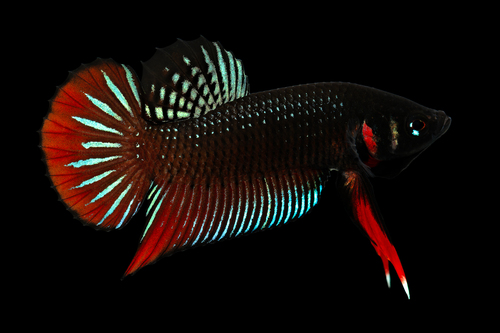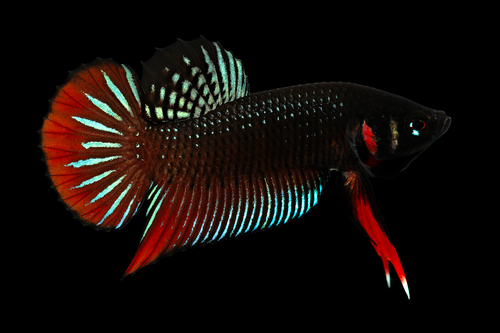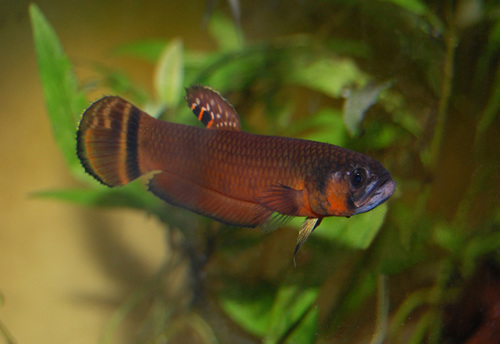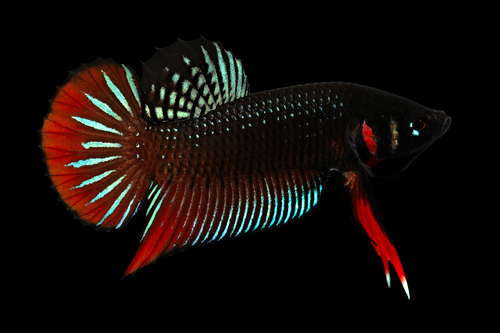
Betta anabatoides
Betta anabatoides
In Stock
Common stock
Wild Caught
Moderate care
Not Reef Safe
SKU: 01-A-25-262-15
Discover the beauty of Betta anabatoides, a unique freshwater fish from Indonesia.
Pricing for Verified Importers
Log in to see wholesale prices and order.
Export Size
up to 8.2 cm
Origin
Southeast Asia
Temperature
24.0–28.0°C
Min. Tank Size
40 L
pH
6.50–7.50
Diet
omnivore
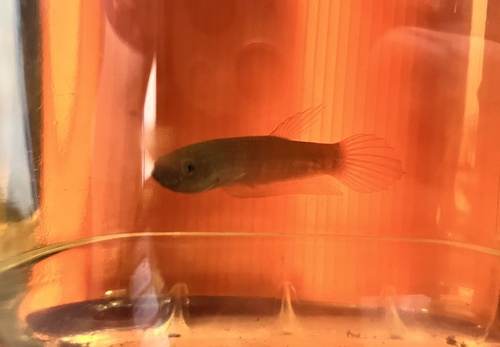
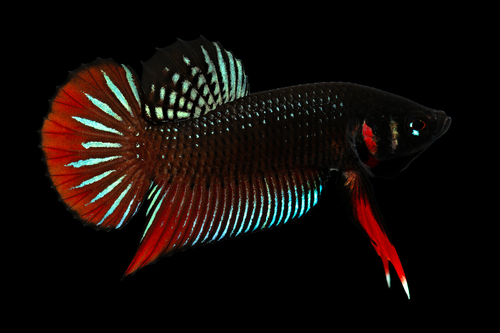
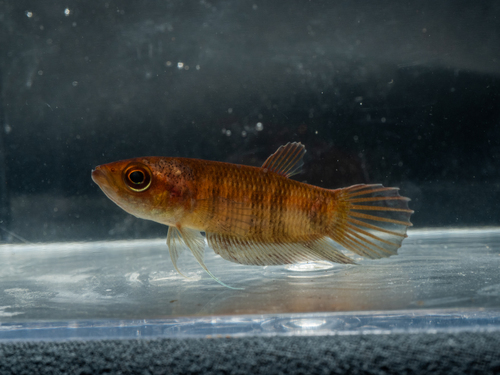
Betta anabatoides, commonly known as the giant betta, is a captivating species endemic to the lush freshwater habitats of South Kalimantan, Katingan, and Sampit in Indonesian Borneo. This species belongs to the subfamily Macropodusinae, which is a part of the diverse gourami family. Unlike its more famous relatives, the giant betta thrives in a variety of aquatic environments, showcasing its adaptability and resilience.
Reaching a maximum size of 8.2 cm (3.2 in) in standard length, the giant betta exhibits a stunning array of colors and patterns. Its body is elongated with a moderately compressed shape, enhancing its graceful movements through the water. Notably, the Betta anabatoides is a paternal mouthbrooder, with males taking on the responsibility of incubating the eggs in their mouths, a fascinating aspect of their reproductive behavior.
In the wild, these fish can be found in slow-moving waters, swamps, and shallow streams, often hiding among vegetation and submerged structures. Their ability to breathe air makes them particularly resilient in fluctuating conditions, allowing them to thrive in environments where oxygen levels may vary. This facultative air-breathing capability is a crucial adaptation for survival in their natural habitat.
Behaviorally, Betta anabatoides is known for its territorial nature, especially during breeding periods. Males can display vibrant colors and engage in elaborate displays to attract females and ward off rivals. Their social dynamics can be fascinating to observe, making them a captivating addition to any aquarium setting.
Reaching a maximum size of 8.2 cm (3.2 in) in standard length, the giant betta exhibits a stunning array of colors and patterns. Its body is elongated with a moderately compressed shape, enhancing its graceful movements through the water. Notably, the Betta anabatoides is a paternal mouthbrooder, with males taking on the responsibility of incubating the eggs in their mouths, a fascinating aspect of their reproductive behavior.
In the wild, these fish can be found in slow-moving waters, swamps, and shallow streams, often hiding among vegetation and submerged structures. Their ability to breathe air makes them particularly resilient in fluctuating conditions, allowing them to thrive in environments where oxygen levels may vary. This facultative air-breathing capability is a crucial adaptation for survival in their natural habitat.
Behaviorally, Betta anabatoides is known for its territorial nature, especially during breeding periods. Males can display vibrant colors and engage in elaborate displays to attract females and ward off rivals. Their social dynamics can be fascinating to observe, making them a captivating addition to any aquarium setting.
To successfully maintain Betta anabatoides in an aquarium, it is important to provide stable water parameters. The recommended temperature range is between 24°C to 28°C, with a pH level between 6.5 and 7.5. Adequate filtration and regular water changes are crucial to ensure a clean environment, as these fish can be sensitive to poor water quality. A minimum tank size of 40 liters is advised to accommodate their territorial behavior and provide ample space for swimming.
Feeding Betta anabatoides is straightforward, as they are omnivorous. A balanced diet should include high-quality pellets, frozen or live foods such as brine shrimp, and vegetable matter. It is essential to avoid overfeeding, as this can lead to health issues. Compatibility-wise, these fish can be kept with other peaceful species but should be monitored closely during the breeding season to prevent aggression.
Acclimation is vital when introducing Betta anabatoides to a new environment. Gradually acclimate them to the tank conditions over several hours to minimize stress. A quarantine period of at least two weeks is also recommended for new arrivals to ensure they are free from disease before introducing them to the main tank.
Feeding Betta anabatoides is straightforward, as they are omnivorous. A balanced diet should include high-quality pellets, frozen or live foods such as brine shrimp, and vegetable matter. It is essential to avoid overfeeding, as this can lead to health issues. Compatibility-wise, these fish can be kept with other peaceful species but should be monitored closely during the breeding season to prevent aggression.
Acclimation is vital when introducing Betta anabatoides to a new environment. Gradually acclimate them to the tank conditions over several hours to minimize stress. A quarantine period of at least two weeks is also recommended for new arrivals to ensure they are free from disease before introducing them to the main tank.
Betta anabatoides is suitable for shipping, provided proper care is taken during transport. Packing density should be moderate to ensure the fish have enough space to move comfortably. Ideal shipping temperatures should be maintained between 24°C to 28°C. The species is not listed under CITES, simplifying export regulations.
Species Parameters
Max Adult Size
8.2 cm
Origin
Southeast Asia
Diet
omnivore
Temp Min
24.0 °C
Temp Max
28.0 °C
pH Min
6.50
pH Max
7.50
Min Tank
40 L