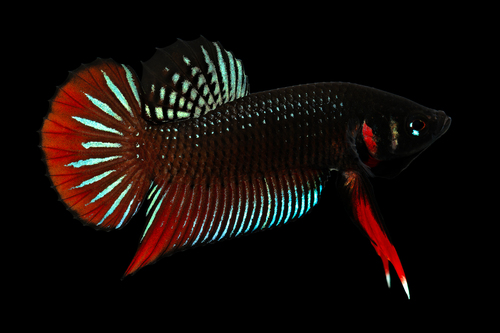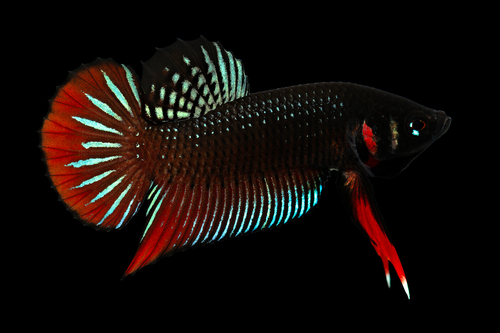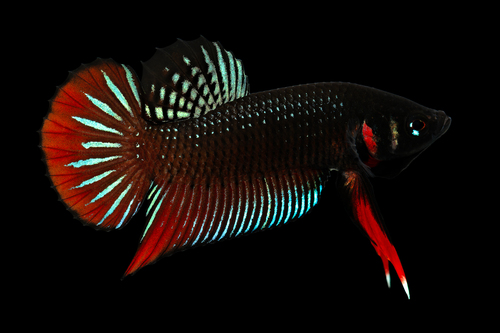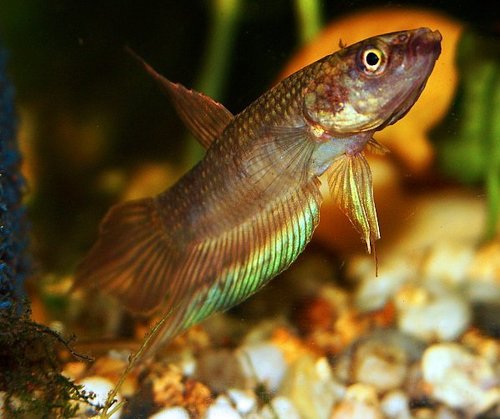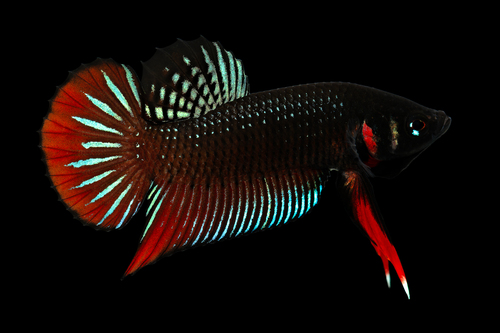
Betta Foershi Male
Betta sp.
In Stock
Common stock
Wild Caught
Moderate care
Not Reef Safe
SKU: 01-A-25-244-15
The Betta Foershi Male is a stunning freshwater fish native to Southeast Asia, known for its vibrant colors and unique fin structures.
Pricing for Verified Importers
Log in to see wholesale prices and order.
Export Size
up to 7.0 cm
Origin
Southeast Asia
Temperature
24.0–28.0°C
Min. Tank Size
20 L
pH
6.50–7.50
Diet
carnivore
Betta Foershi, also known as Betta sp., is a captivating freshwater fish endemic to the lush waters of Southeast Asia. This species is particularly renowned for its striking coloration, showcasing an array of vibrant hues, including shades of blue, red, and green that shimmer under aquarium lights. The males possess long, flowing fins that enhance their beauty, making them highly sought after by aquarium enthusiasts and collectors alike. Their unique physical characteristics extend to their body shape; they are typically more elongated compared to other Betta species, which adds to their gracefulness in the water.
In their natural habitats, Betta Foershi can be found in slow-moving streams, rice paddies, and shallow ponds surrounded by dense vegetation. These environments provide ample hiding spots and breeding grounds, essential for their reproduction. The species exhibits territorial behavior, especially among males, which is a common trait in Betta fish. Males often display elaborate courtship rituals to attract females, including spreading their fins and performing intricate swimming displays.
Behaviorally, Betta Foershi are semi-aggressive and thrive in well-planted aquariums that mimic their natural habitat. They can coexist with other non-aggressive species, but caution should be exercised, particularly when introducing new tank mates. Their adaptability to various water conditions makes them suitable for both beginner and experienced aquarists, provided their habitat is carefully managed.
Overall, the Betta Foershi Male stands out not only for its aesthetic appeal but also for its engaging behaviors and unique adaptations to its environment. This species is perfect for hobbyists looking to add a splash of color and personality to their freshwater setups.
In their natural habitats, Betta Foershi can be found in slow-moving streams, rice paddies, and shallow ponds surrounded by dense vegetation. These environments provide ample hiding spots and breeding grounds, essential for their reproduction. The species exhibits territorial behavior, especially among males, which is a common trait in Betta fish. Males often display elaborate courtship rituals to attract females, including spreading their fins and performing intricate swimming displays.
Behaviorally, Betta Foershi are semi-aggressive and thrive in well-planted aquariums that mimic their natural habitat. They can coexist with other non-aggressive species, but caution should be exercised, particularly when introducing new tank mates. Their adaptability to various water conditions makes them suitable for both beginner and experienced aquarists, provided their habitat is carefully managed.
Overall, the Betta Foershi Male stands out not only for its aesthetic appeal but also for its engaging behaviors and unique adaptations to its environment. This species is perfect for hobbyists looking to add a splash of color and personality to their freshwater setups.
To ensure the health and vitality of Betta Foershi, importers and retailers should maintain optimal water parameters. Ideal temperature ranges from 24°C to 28°C, with a pH level between 6.5 and 7.5. Regular water changes and a filtration system that provides gentle water movement will help keep the environment clean and stable. It is essential to avoid sharp decorations that could damage their delicate fins.
Feeding Betta Foershi is straightforward; they are primarily carnivorous, thriving on a diet of high-quality pellets, frozen or live foods such as bloodworms, brine shrimp, and daphnia. Providing a varied diet will enhance their colors and overall health. It is advisable to feed them small portions 2-3 times a day to prevent overfeeding and maintain water quality.
Compatibility is crucial for Betta Foershi. While they can be kept with other peaceful species, male Betta should not be housed together due to their aggressive nature. Acclimation should be gradual, allowing them to adjust to new water conditions. A quarantine period of at least two weeks is recommended for new arrivals to monitor for any signs of illness before introducing them to a display tank.
Feeding Betta Foershi is straightforward; they are primarily carnivorous, thriving on a diet of high-quality pellets, frozen or live foods such as bloodworms, brine shrimp, and daphnia. Providing a varied diet will enhance their colors and overall health. It is advisable to feed them small portions 2-3 times a day to prevent overfeeding and maintain water quality.
Compatibility is crucial for Betta Foershi. While they can be kept with other peaceful species, male Betta should not be housed together due to their aggressive nature. Acclimation should be gradual, allowing them to adjust to new water conditions. A quarantine period of at least two weeks is recommended for new arrivals to monitor for any signs of illness before introducing them to a display tank.
Betta Foershi Male is well-suited for international shipping. They should be packed in breathable bags with sufficient water and oxygen to ensure their well-being during transit. A packing density of 1-2 fish per liter is advisable to minimize stress. These fish are sensitive to temperature fluctuations, so maintaining a stable environment during shipping is crucial. Currently, there are no CITES restrictions on this species.
Species Parameters
Max Adult Size
7.0 cm
Origin
Southeast Asia
Diet
carnivore
Temp Min
24.0 °C
Temp Max
28.0 °C
pH Min
6.50
pH Max
7.50
Min Tank
20 L