Betta Longfin High Grade
Betta splendens
In Stock
Common stock
Wild Caught
Moderate care
Not Reef Safe
SKU: 01-A-25-051-06
Discover the vibrant Betta Longfin High Grade, a stunning freshwater jewel.
Pricing for Verified Importers
Log in to see wholesale prices and order.
Export Size
up to 7.5 cm
Origin
Southeast Asia
Temperature
24.0–28.0°C
Min. Tank Size
20 L
pH
6.50–7.50
Diet
carnivore
The Betta Longfin High Grade (Betta splendens) is a captivating freshwater fish renowned for its stunning color variations and flowing fins. Native to Southeast Asia, particularly in countries like Thailand and Cambodia, this species has become a global favorite among aquarium enthusiasts. Its breathtaking morphology and unique behaviors make it a standout choice for both novice and experienced aquarists alike.
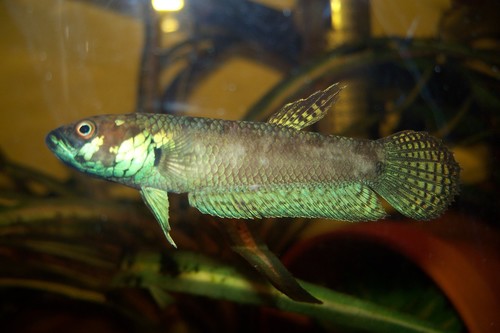
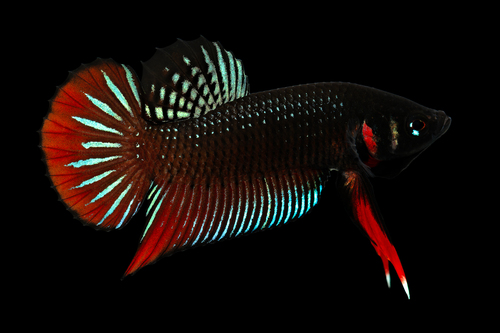
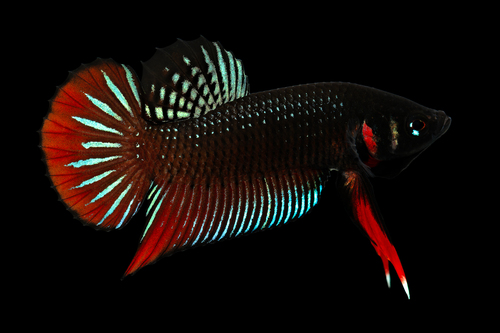
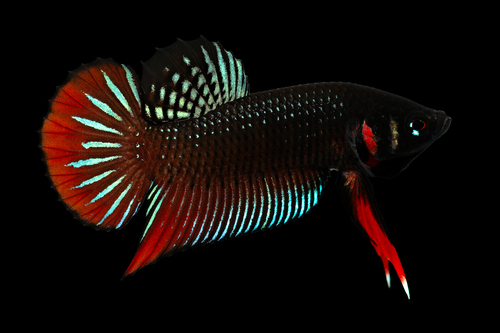
In terms of appearance, the Betta Longfin showcases elongated, flowing fins that can come in a dazzling array of colors, including reds, blues, greens, and even multicolored patterns. These vibrant hues are a result of selective breeding, aimed at enhancing their beauty and appeal. Beyond their physical attributes, Bettas are known for their territorial nature, especially males, which can display aggressive behavior when placed together, making them a fascinating species to observe.
These fish inhabit shallow waters, such as rice paddies, ponds, and marshes, where they can find ample cover among dense vegetation. In their natural habitat, they thrive in warm, acidic waters with plenty of hiding spots, which help them feel secure. Understanding their habitat preferences is crucial for maintaining their health and well-being in captivity.
Socially, Bettas are complex creatures; while they can be aggressive towards their own species, they can coexist peacefully with certain other fish species in community tanks. Their striking appearance and vivid behaviors not only contribute to their popularity but also make them a wonderful addition to any freshwater aquarium setup.
In terms of appearance, the Betta Longfin showcases elongated, flowing fins that can come in a dazzling array of colors, including reds, blues, greens, and even multicolored patterns. These vibrant hues are a result of selective breeding, aimed at enhancing their beauty and appeal. Beyond their physical attributes, Bettas are known for their territorial nature, especially males, which can display aggressive behavior when placed together, making them a fascinating species to observe.
These fish inhabit shallow waters, such as rice paddies, ponds, and marshes, where they can find ample cover among dense vegetation. In their natural habitat, they thrive in warm, acidic waters with plenty of hiding spots, which help them feel secure. Understanding their habitat preferences is crucial for maintaining their health and well-being in captivity.
Socially, Bettas are complex creatures; while they can be aggressive towards their own species, they can coexist peacefully with certain other fish species in community tanks. Their striking appearance and vivid behaviors not only contribute to their popularity but also make them a wonderful addition to any freshwater aquarium setup.
To ensure the health and longevity of Betta Longfin High Grade, maintaining optimal water parameters is essential. The ideal temperature range is between 24°C to 28°C, with a pH level between 6.5 and 7.5. Bettas thrive in well-filtered tanks with a minimum size of 20 liters, allowing them ample space to swim and explore.
Feeding these fish is straightforward, as they are primarily carnivorous. A balanced diet of high-quality pellets, frozen or live foods such as brine shrimp and daphnia, is recommended to promote vibrant colors and overall health. It's important to avoid overfeeding, as Bettas can be prone to obesity.
When introducing Bettas to a community tank, care should be taken to select compatible species. Peaceful fish that swim at different levels in the tank are ideal companions. Before introducing them to a new environment, acclimation is critical; slowly introducing them to tank conditions over several hours can reduce stress. Quarantine new arrivals for at least two weeks to prevent any potential disease outbreaks in your main tank.
Feeding these fish is straightforward, as they are primarily carnivorous. A balanced diet of high-quality pellets, frozen or live foods such as brine shrimp and daphnia, is recommended to promote vibrant colors and overall health. It's important to avoid overfeeding, as Bettas can be prone to obesity.
When introducing Bettas to a community tank, care should be taken to select compatible species. Peaceful fish that swim at different levels in the tank are ideal companions. Before introducing them to a new environment, acclimation is critical; slowly introducing them to tank conditions over several hours can reduce stress. Quarantine new arrivals for at least two weeks to prevent any potential disease outbreaks in your main tank.
The Betta Longfin High Grade is suitable for shipping, provided proper packing methods are utilized. It is advisable to ship them in insulated bags with oxygen to maintain water quality and temperature during transit. A density of 2-3 fish per liter is recommended to minimize stress. These fish are sensitive to temperature fluctuations, so maintaining a stable environment during shipping is crucial. This species is not listed under CITES, simplifying export procedures.
Species Parameters
Max Adult Size
7.5 cm
Origin
Southeast Asia
Diet
carnivore
Temp Min
24.0 °C
Temp Max
28.0 °C
pH Min
6.50
pH Max
7.50
Min Tank
20 L