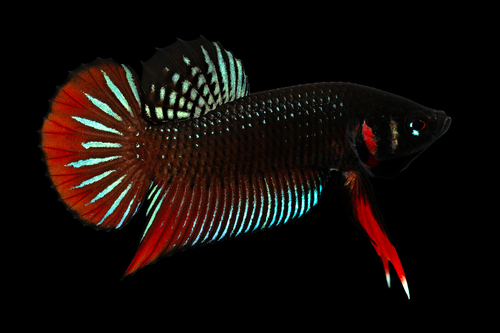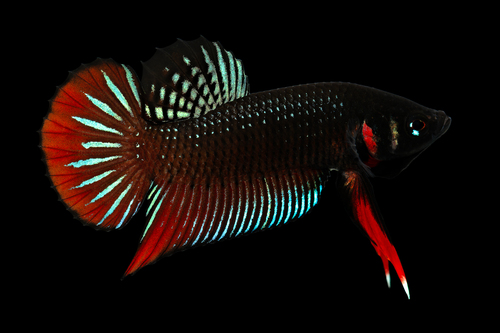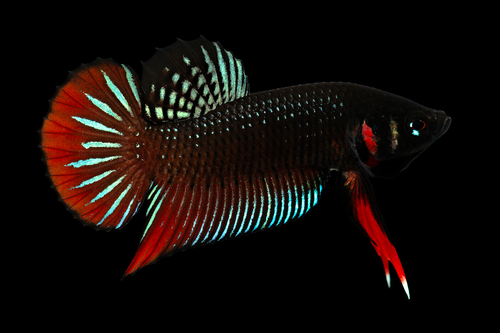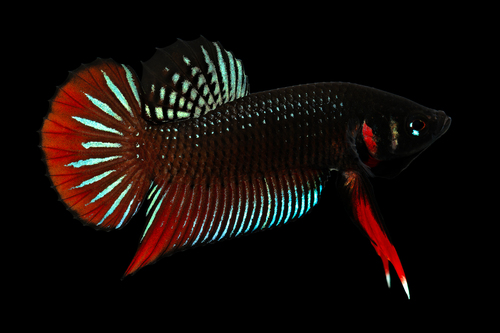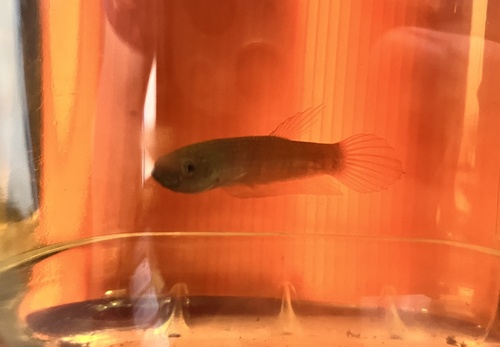
Betta Patoti Tanah Merah size M Female
Betta patoti
In Stock
Common stock
Wild Caught
Moderate care
Not Reef Safe
SKU: 01-A-25-251-15
Discover the beauty of Betta Patoti Tanah Merah, a unique freshwater gem.
Pricing for Verified Importers
Log in to see wholesale prices and order.
Export Size
up to 10.7 cm
Origin
Southeast Asia
Temperature
24.0–28.0°C
Min. Tank Size
40 L
pH
6.00–7.50
Diet
omnivore
The Betta patoti, commonly known as the tiger or zebra betta, is a captivating species native to the lush waters of East Kalimantan on Borneo, Indonesia. This freshwater fish is characterized by its striking coloration and patterns, which resemble those of a tiger or zebra, making it a popular choice among aquarists. Reaching a maximum length of approximately 10.7 cm (4.2 in), this betta showcases vibrant hues that can range from deep blues to radiant reds, often accented with bold black stripes.
In their natural habitat, Betta patoti are found in slow-moving waters, including swamps and peat forests, where they prefer heavily vegetated areas that provide ample cover. They are facultative air-breathers, which allows them to thrive in oxygen-poor environments by gulping surface air. This adaptation, combined with their small size and peaceful demeanor, makes them well-suited for community tanks when housed with compatible species.
Behaviorally, Betta patoti exhibit a range of social interactions. Males are known to display territorial behaviors, particularly during breeding periods, while females tend to be more docile. They are best kept in groups with ample space to establish their territories, and they benefit from a well-planted tank that mimics their natural environment. Their active swimming patterns and engaging behaviors make them a delightful addition to any aquarium setup.
As a species that thrives in stable environments, Betta patoti is a great choice for both novice and experienced aquarists. With proper care, these fish can live for several years, providing ongoing enjoyment to their keepers.
In their natural habitat, Betta patoti are found in slow-moving waters, including swamps and peat forests, where they prefer heavily vegetated areas that provide ample cover. They are facultative air-breathers, which allows them to thrive in oxygen-poor environments by gulping surface air. This adaptation, combined with their small size and peaceful demeanor, makes them well-suited for community tanks when housed with compatible species.
Behaviorally, Betta patoti exhibit a range of social interactions. Males are known to display territorial behaviors, particularly during breeding periods, while females tend to be more docile. They are best kept in groups with ample space to establish their territories, and they benefit from a well-planted tank that mimics their natural environment. Their active swimming patterns and engaging behaviors make them a delightful addition to any aquarium setup.
As a species that thrives in stable environments, Betta patoti is a great choice for both novice and experienced aquarists. With proper care, these fish can live for several years, providing ongoing enjoyment to their keepers.
To ensure the optimal health and longevity of Betta patoti, it is essential to maintain specific water parameters. The ideal temperature range for this species is between 24°C to 28°C (75°F to 82°F), with a pH level between 6.0 and 7.5. A minimum tank size of 40 liters is recommended to provide adequate swimming space and to establish a stable environment. Additionally, the aquarium should be well-planted to offer hiding spots and reduce stress.
Feeding Betta patoti can be accomplished using a varied diet that includes high-quality pellets, freeze-dried foods, and occasional live or frozen options such as brine shrimp or daphnia. This omnivorous diet will promote vibrant colors and overall health. It is advisable to feed them small portions 2-3 times per day, ensuring that all food is consumed to minimize water quality issues.
Compatibility is crucial when housing Betta patoti. They can coexist peacefully with other small, non-aggressive species; however, caution should be taken when introducing them to males of other betta species to prevent aggression. When first introducing Betta patoti to a new environment, proper acclimation is vital. Gradually acclimate them to the new water conditions over a few hours to minimize stress.
Quarantine new arrivals for at least two weeks before introducing them to a community tank. This practice helps prevent the spread of potential diseases and ensures that the fish are healthy and ready to thrive in their new home.
Feeding Betta patoti can be accomplished using a varied diet that includes high-quality pellets, freeze-dried foods, and occasional live or frozen options such as brine shrimp or daphnia. This omnivorous diet will promote vibrant colors and overall health. It is advisable to feed them small portions 2-3 times per day, ensuring that all food is consumed to minimize water quality issues.
Compatibility is crucial when housing Betta patoti. They can coexist peacefully with other small, non-aggressive species; however, caution should be taken when introducing them to males of other betta species to prevent aggression. When first introducing Betta patoti to a new environment, proper acclimation is vital. Gradually acclimate them to the new water conditions over a few hours to minimize stress.
Quarantine new arrivals for at least two weeks before introducing them to a community tank. This practice helps prevent the spread of potential diseases and ensures that the fish are healthy and ready to thrive in their new home.
Betta patoti is suitable for shipping due to its robust nature. When packing, it is recommended to maintain a density of 1 fish per liter of water to ensure adequate oxygen levels during transport. The ideal shipping temperature should be kept between 24°C to 28°C (75°F to 82°F) to prevent stress. Betta patoti is not listed under CITES, simplifying export regulations.
Species Parameters
Max Adult Size
10.7 cm
Origin
Southeast Asia
Diet
omnivore
Temp Min
24.0 °C
Temp Max
28.0 °C
pH Min
6.00
pH Max
7.50
Min Tank
40 L