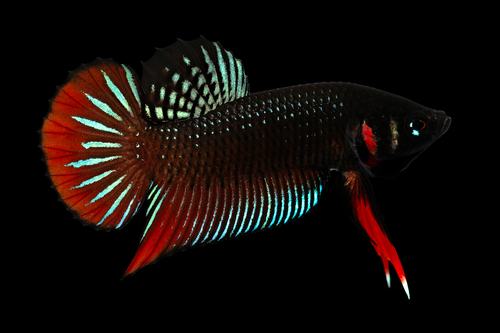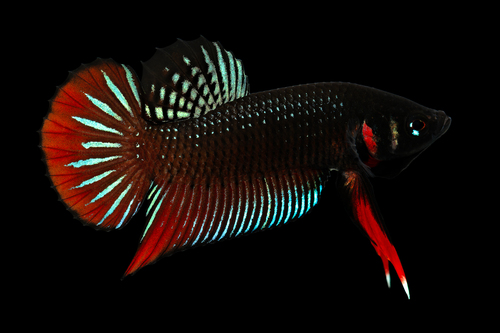
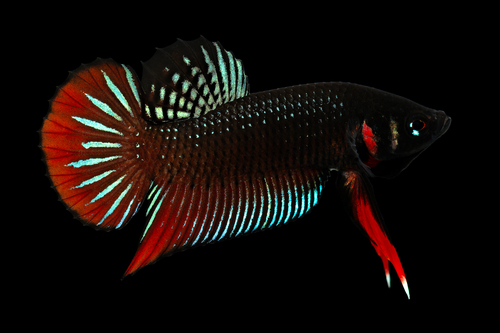
Junior Level Competition' Betta
Betta splendens
Out of Stock
Scarce stock
Wild Caught
Moderate care
Not Reef Safe
SKU: 01-A-25-202-07
Discover the vibrant Junior Level Competition' Betta, a stunning freshwater gem.
Pricing for Verified Importers
Log in to see wholesale prices and order.
Export Size
up to 7.0 cm
Origin
Southeast Asia
Temperature
24.0–28.0°C
Min. Tank Size
20 L
pH
6.50–7.50
Diet
carnivore
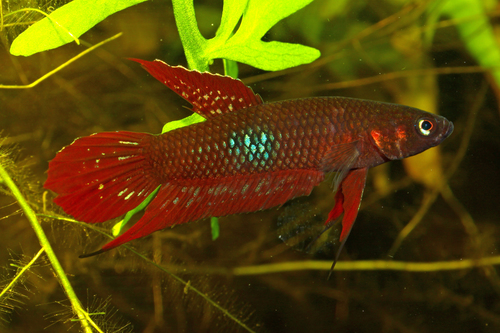
The Junior Level Competition' Betta (Betta splendens) is a captivating freshwater fish that stands out for its striking colors and elaborate fin structures. Native to the shallow waters of Southeast Asia, this species exhibits a unique combination of beauty and aggression, making it a favorite for aquarists and competitive fish keepers alike. Its natural habitat includes rice paddies, floodplains, and slow-moving streams, where it thrives in warm, shallow waters.
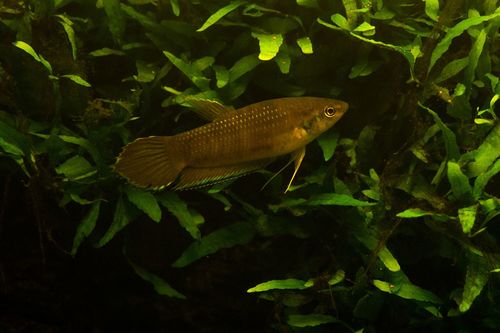
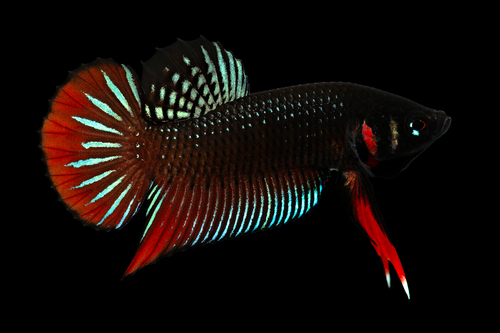
Betta splendens display a wide array of colors and patterns, ranging from vivid reds and blues to iridescent greens and purples. The males are particularly known for their long, flowing fins, which can be both a spectacle and a source of aggression during breeding and territorial disputes. Females, while less flamboyant, also possess a range of subtle hues and are crucial for breeding programs aimed at producing competition-grade specimens.
In terms of behavior, Bettas are known for their territorial nature, especially males, who will often display aggressive posturing towards rivals. This behavior makes them a fascinating species to observe, as they engage in elaborate rituals of display. In the wild, they primarily feed on small invertebrates and insects, which influences their dietary needs in captivity.
To create a suitable environment for Betta splendens, it is essential to replicate their natural habitat as closely as possible, including the provision of hiding spots and plants to reduce stress and aggression. This species is also known for its ability to breathe atmospheric oxygen, which allows it to survive in low-oxygen environments, further highlighting its adaptability.
Betta splendens display a wide array of colors and patterns, ranging from vivid reds and blues to iridescent greens and purples. The males are particularly known for their long, flowing fins, which can be both a spectacle and a source of aggression during breeding and territorial disputes. Females, while less flamboyant, also possess a range of subtle hues and are crucial for breeding programs aimed at producing competition-grade specimens.
In terms of behavior, Bettas are known for their territorial nature, especially males, who will often display aggressive posturing towards rivals. This behavior makes them a fascinating species to observe, as they engage in elaborate rituals of display. In the wild, they primarily feed on small invertebrates and insects, which influences their dietary needs in captivity.
To create a suitable environment for Betta splendens, it is essential to replicate their natural habitat as closely as possible, including the provision of hiding spots and plants to reduce stress and aggression. This species is also known for its ability to breathe atmospheric oxygen, which allows it to survive in low-oxygen environments, further highlighting its adaptability.
Caring for Junior Level Competition' Bettas requires attention to their specific water parameters and environment. Ideal water temperature ranges from 24°C to 28°C (75°F to 82°F) with a pH level between 6.5 and 7.5. They thrive in well-filtered tanks with minimal water movement, as strong currents can stress these fish. Regular water changes and maintenance of good water quality are critical to preventing diseases.
Feeding should consist of high-quality pellets specifically designed for Betta fish, along with occasional treats of live or frozen foods such as brine shrimp and daphnia to ensure a balanced diet. Bettas are typically kept alone or with compatible species that won’t provoke them, as aggression can lead to stress and potential injury. When introducing new fish, it is advisable to acclimate them slowly to prevent shock.
Quarantine new arrivals for at least two weeks in a separate tank to monitor for any signs of illness before adding them to the main aquarium. This process helps in maintaining a healthy environment and reduces the risk of disease spread. It’s also essential to provide plenty of hiding spots and plants to help reduce aggression and promote a peaceful habitat.
Feeding should consist of high-quality pellets specifically designed for Betta fish, along with occasional treats of live or frozen foods such as brine shrimp and daphnia to ensure a balanced diet. Bettas are typically kept alone or with compatible species that won’t provoke them, as aggression can lead to stress and potential injury. When introducing new fish, it is advisable to acclimate them slowly to prevent shock.
Quarantine new arrivals for at least two weeks in a separate tank to monitor for any signs of illness before adding them to the main aquarium. This process helps in maintaining a healthy environment and reduces the risk of disease spread. It’s also essential to provide plenty of hiding spots and plants to help reduce aggression and promote a peaceful habitat.
The Junior Level Competition' Betta is well-suited for shipping, provided proper care is taken. Fish should be packed in insulated bags with adequate oxygen and water to ensure comfort during transit. Ideal shipping temperatures range from 24°C to 28°C (75°F to 82°F). It is vital to monitor temperature fluctuations to prevent stress. Ensure compliance with CITES regulations, as Betta splendens is not listed, making it easier to export.
Species Parameters
Max Adult Size
7.0 cm
Origin
Southeast Asia
Diet
carnivore
Temp Min
24.0 °C
Temp Max
28.0 °C
pH Min
6.50
pH Max
7.50
Min Tank
20 L