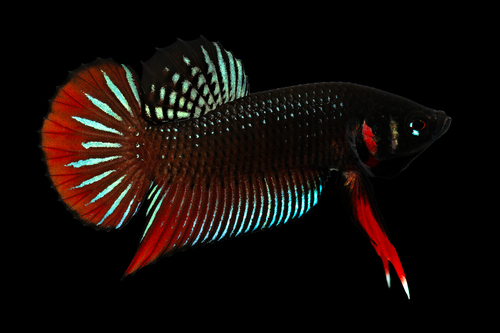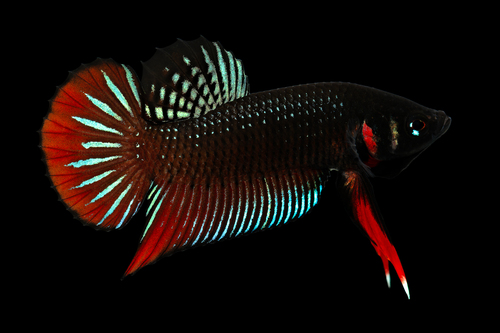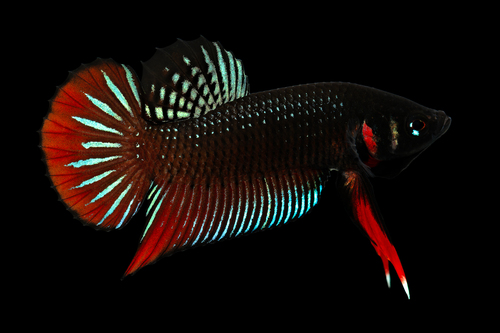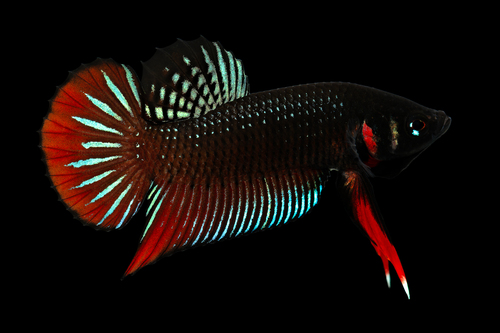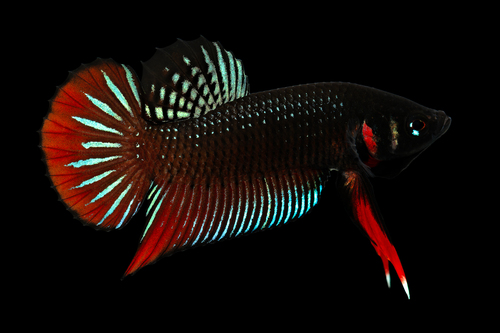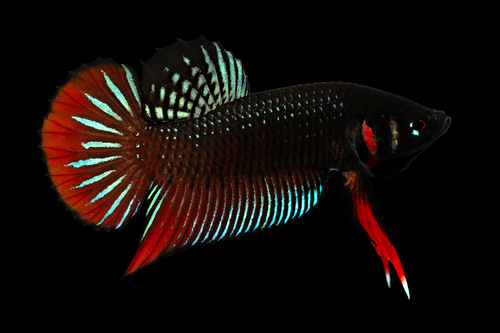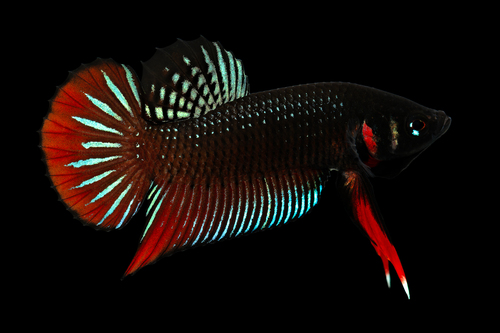
Red Wines Betta (Captive Bred) Female
Betta sp. Api api
Limited
Occasional stock
Wild Caught
Moderate care
Not Reef Safe
SKU: 01-A-25-023-15
The Red Wines Betta captivates with its vibrant colors and unique markings, making it a prized addition to any aquarium.
Pricing for Verified Importers
Log in to see wholesale prices and order.
Export Size
up to 6.0 cm
Origin
Southeast Asia
Temperature
24.0–28.0°C
Min. Tank Size
20 L
pH
6.50–7.50
Diet
omnivore
The Red Wines Betta, scientifically known as Betta sp. Api api, is a stunning freshwater fish known for its rich coloration and captivating fin structure. This species exhibits a unique blend of deep red and purple hues, resembling the shades of a fine wine, which makes it highly sought after by aquarium enthusiasts. Females tend to have slightly less vibrant colors compared to males but still display an array of beautiful shades that can enhance any aquatic display. Their elongated fins and graceful movements add elegance to their swimming patterns, making them a delight to observe.
In their natural habitat, Red Wines Bettas are typically found in slow-moving waters, such as swamps and marshes, in the lush, biodiverse regions of Southeast Asia. They thrive in heavily vegetated areas, which provide shelter and breeding grounds. The calm waters of their environment are rich in organic matter, contributing to the species' unique adaptations and survival strategies. As a result, they are well-equipped to handle the challenges of low-oxygen environments, exhibiting a labyrinth organ that allows them to breathe surface air.
Behaviorally, Red Wines Bettas are known for their territorial nature, especially during breeding seasons. They display a range of social behaviors, from courting rituals to aggressive posturing when feeling threatened. This species can be kept in community tanks but should be monitored closely to prevent aggression, particularly with other male Bettas or similarly colored species. Their active nature and curiosity make them an engaging species in an aquarium setting.
As a captive-bred species, Red Wines Bettas are more adaptable to aquarium life and tend to have fewer health issues than their wild-caught counterparts. This ensures a more reliable supply for importers and wholesalers, enhancing the sustainability of the trade while providing customers with healthy, vibrant fish.
In their natural habitat, Red Wines Bettas are typically found in slow-moving waters, such as swamps and marshes, in the lush, biodiverse regions of Southeast Asia. They thrive in heavily vegetated areas, which provide shelter and breeding grounds. The calm waters of their environment are rich in organic matter, contributing to the species' unique adaptations and survival strategies. As a result, they are well-equipped to handle the challenges of low-oxygen environments, exhibiting a labyrinth organ that allows them to breathe surface air.
Behaviorally, Red Wines Bettas are known for their territorial nature, especially during breeding seasons. They display a range of social behaviors, from courting rituals to aggressive posturing when feeling threatened. This species can be kept in community tanks but should be monitored closely to prevent aggression, particularly with other male Bettas or similarly colored species. Their active nature and curiosity make them an engaging species in an aquarium setting.
As a captive-bred species, Red Wines Bettas are more adaptable to aquarium life and tend to have fewer health issues than their wild-caught counterparts. This ensures a more reliable supply for importers and wholesalers, enhancing the sustainability of the trade while providing customers with healthy, vibrant fish.
To ensure the health and well-being of Red Wines Bettas, maintaining appropriate water parameters is essential. The ideal temperature range for this species is between 24°C and 28°C, with a pH level between 6.5 and 7.5. Regular water changes and a well-maintained filtration system are crucial to keep the water clean and free of toxins. Since they prefer slightly acidic to neutral water, using a water conditioner can help achieve optimal conditions.
In terms of diet, Red Wines Bettas are omnivorous, thriving on a balanced diet of high-quality pellets, frozen or live foods such as daphnia, brine shrimp, and bloodworms. Providing a varied diet ensures they receive all necessary nutrients for vibrant coloration and overall health. Compatibility is important; while they can cohabit with other peaceful species, it’s advisable to avoid housing them with aggressive or fin-nipping fish.
Acclimation is critical when introducing new Bettas to an aquarium. Gradually acclimate them by floating the sealed bag in the aquarium for about 15 minutes, then slowly mix small amounts of tank water into the bag over the next hour before release. Quarantine new arrivals for at least two weeks to prevent the spread of diseases. Regular health checks and monitoring for signs of stress or illness are essential to maintain a thriving aquatic environment.
In terms of diet, Red Wines Bettas are omnivorous, thriving on a balanced diet of high-quality pellets, frozen or live foods such as daphnia, brine shrimp, and bloodworms. Providing a varied diet ensures they receive all necessary nutrients for vibrant coloration and overall health. Compatibility is important; while they can cohabit with other peaceful species, it’s advisable to avoid housing them with aggressive or fin-nipping fish.
Acclimation is critical when introducing new Bettas to an aquarium. Gradually acclimate them by floating the sealed bag in the aquarium for about 15 minutes, then slowly mix small amounts of tank water into the bag over the next hour before release. Quarantine new arrivals for at least two weeks to prevent the spread of diseases. Regular health checks and monitoring for signs of stress or illness are essential to maintain a thriving aquatic environment.
Red Wines Bettas are well-suited for shipping due to their hardiness as captive-bred species. When packing, maintain a density of no more than 1 fish per liter to minimize stress during transit. It's crucial to keep the shipping temperature between 24°C and 28°C to avoid thermal shock. This species is not listed under CITES, simplifying export processes and contributing to sustainable trade practices.
Species Parameters
Max Adult Size
6.0 cm
Origin
Southeast Asia
Diet
omnivore
Temp Min
24.0 °C
Temp Max
28.0 °C
pH Min
6.50
pH Max
7.50
Min Tank
20 L