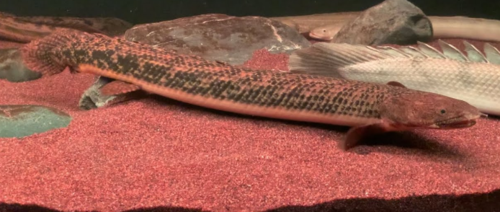
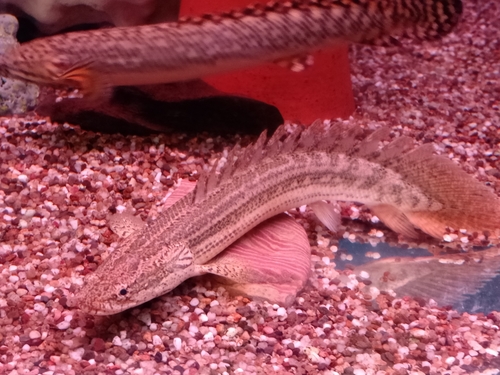
Nile Bichir
Polypterus bichir bichir
In Stock
Common stock
Wild Caught
Experienced care
Not Reef Safe
SKU: 01-A-30-035-05
The Nile Bichir is a unique freshwater predator known for its prehistoric appearance and fascinating behavior.
Pricing for Verified Importers
Log in to see wholesale prices and order.
Export Size
up to 60.0 cm
Origin
Nile River Basin, Africa
Temperature
24.0–28.0°C
Min. Tank Size
200 L
pH
6.50–7.50
Diet
carnivore
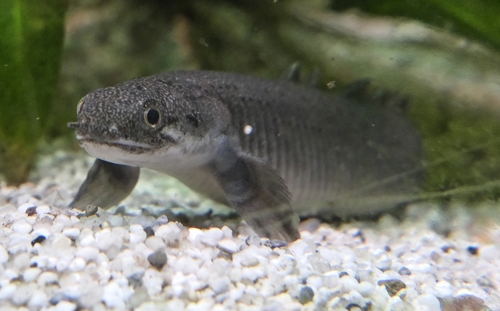
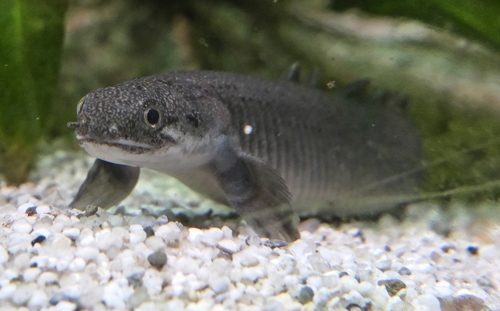
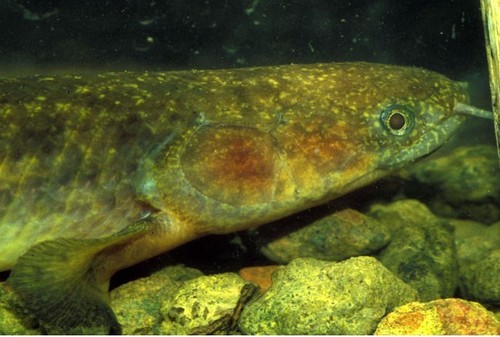
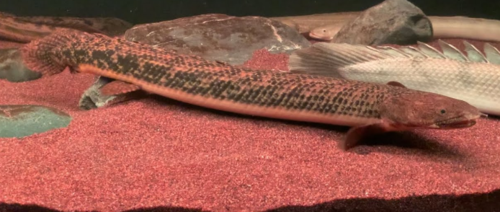
The Nile Bichir (Polypterus bichir bichir) is a remarkable freshwater fish native to the Nile River basin and surrounding African waterways. This species is notable for its elongated, eel-like body covered in tough, bony plates, giving it a primitive look reminiscent of ancient fish. With a distinctive dorsal fin that runs along its back, the Nile Bichir can reach lengths of up to 60 cm (24 inches), making it an impressive addition to any aquarium. Its coloration typically consists of muted greens and browns that provide excellent camouflage in its natural habitat.
In the wild, Nile Bichirs inhabit slow-moving rivers, swamps, and floodplains, where they can often be found in shallow waters among dense vegetation. They are nocturnal hunters, relying on their keen senses to detect prey in low-light conditions. Their diet primarily consists of smaller fish, crustaceans, and insects, highlighting their role as opportunistic predators in their ecosystem. Nile Bichirs have also adapted to breathe air, using modified swim bladders, which allows them to thrive in oxygen-poor environments.
Behaviorally, Nile Bichirs are generally solitary and territorial, especially as they mature. They can exhibit aggressive behavior towards conspecifics and should be housed with caution in community tanks. These fish are known for their curiosity and can often be seen exploring their environment, making them an engaging species for aquarium enthusiasts. Their unique morphology and behavior make them a standout species in any freshwater collection.
Overall, the Nile Bichir is not just a fish; it is a living relic that intrigues both hobbyists and researchers alike. Its fascinating blend of ancient traits and modern adaptability makes it a subject of great interest in the aquatic world.
In the wild, Nile Bichirs inhabit slow-moving rivers, swamps, and floodplains, where they can often be found in shallow waters among dense vegetation. They are nocturnal hunters, relying on their keen senses to detect prey in low-light conditions. Their diet primarily consists of smaller fish, crustaceans, and insects, highlighting their role as opportunistic predators in their ecosystem. Nile Bichirs have also adapted to breathe air, using modified swim bladders, which allows them to thrive in oxygen-poor environments.
Behaviorally, Nile Bichirs are generally solitary and territorial, especially as they mature. They can exhibit aggressive behavior towards conspecifics and should be housed with caution in community tanks. These fish are known for their curiosity and can often be seen exploring their environment, making them an engaging species for aquarium enthusiasts. Their unique morphology and behavior make them a standout species in any freshwater collection.
Overall, the Nile Bichir is not just a fish; it is a living relic that intrigues both hobbyists and researchers alike. Its fascinating blend of ancient traits and modern adaptability makes it a subject of great interest in the aquatic world.
When caring for Nile Bichirs, it is crucial to provide an appropriate environment that mimics their natural habitat. Maintain water temperatures between 24°C and 28°C (75°F to 82°F) and ensure the pH levels are within the range of 6.5 to 7.5. Given their size, a minimum tank of 200 liters (approximately 52 gallons) is recommended to provide ample space for swimming and hiding.
Feeding should focus on a carnivorous diet, including high-quality pellets, frozen or live foods such as shrimp, worms, and small fish. It is essential to feed them 2-3 times a week to prevent overfeeding, which can lead to health issues. Compatibility with other species should be carefully considered, as Nile Bichirs may exhibit aggression towards smaller or similarly shaped fish.
Acclimation is critical; introduce them to new environments gradually to reduce stress. This can be done using the drip acclimation method. Additionally, a quarantine period of at least two weeks is advised for newly imported specimens to monitor for health issues and prevent disease spread to existing stock. Providing hiding spots with rocks, driftwood, or plants will help them feel secure and reduce stress in the aquarium setting.
Feeding should focus on a carnivorous diet, including high-quality pellets, frozen or live foods such as shrimp, worms, and small fish. It is essential to feed them 2-3 times a week to prevent overfeeding, which can lead to health issues. Compatibility with other species should be carefully considered, as Nile Bichirs may exhibit aggression towards smaller or similarly shaped fish.
Acclimation is critical; introduce them to new environments gradually to reduce stress. This can be done using the drip acclimation method. Additionally, a quarantine period of at least two weeks is advised for newly imported specimens to monitor for health issues and prevent disease spread to existing stock. Providing hiding spots with rocks, driftwood, or plants will help them feel secure and reduce stress in the aquarium setting.
Nile Bichirs are suitable for air shipping, but care must be taken to maintain stable temperatures during transit, ideally between 24°C and 26°C (75°F to 79°F). Packing density should be moderate to ensure adequate oxygen supply without stress. It is important to use breathable bags with sufficient water volume. Currently, there are no specific CITES restrictions on this species, but compliance with local regulations is always recommended.
Species Parameters
Max Adult Size
60.0 cm
Origin
Nile River Basin, Africa
Diet
carnivore
Temp Min
24.0 °C
Temp Max
28.0 °C
pH Min
6.50
pH Max
7.50
Min Tank
200 L