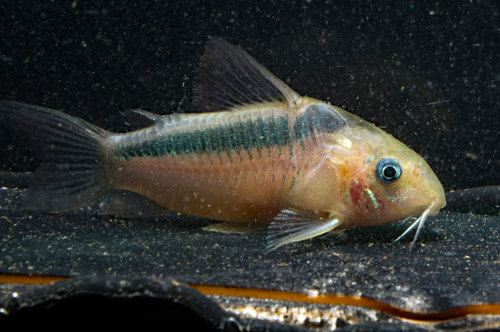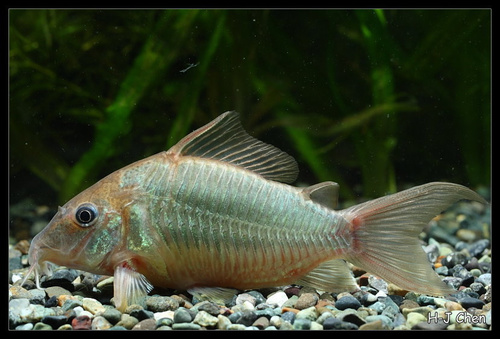
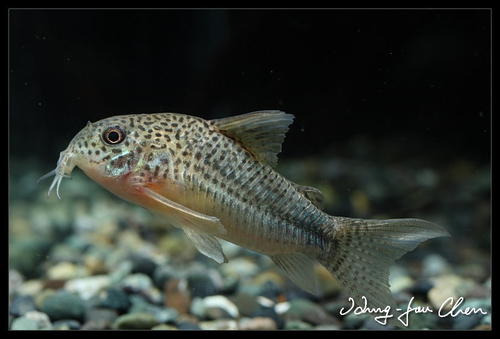
Corydoras Similis
Corydoras similis
Limited
Occasional stock
Wild Caught
Easy care
Not Reef Safe
SKU: 01-A-07-053-03
Corydoras similis brings a vibrant charm to freshwater aquariums with its unique patterns and social behavior.
Pricing for Verified Importers
Log in to see wholesale prices and order.
Export Size
up to 6.0 cm
Origin
Amazon Basin
Temperature
22.0–28.0°C
Min. Tank Size
80 L
pH
6.00–7.50
Diet
omnivore
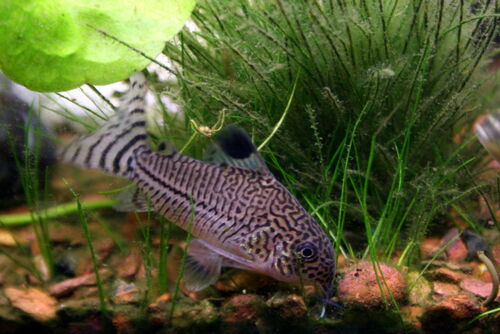
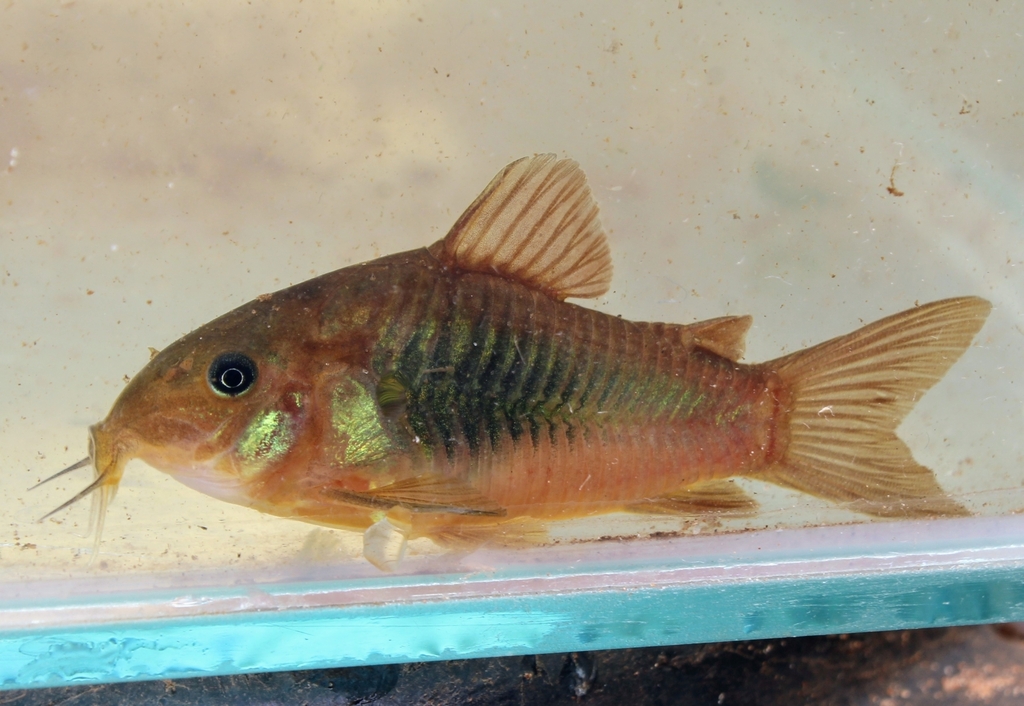
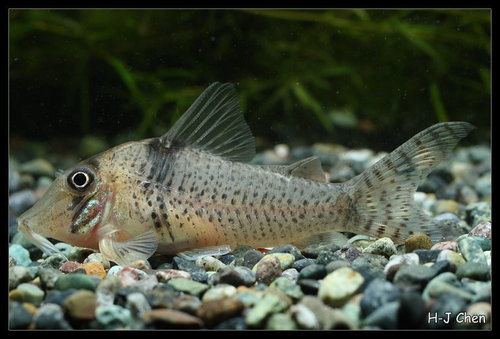
Corydoras similis, commonly known as the Similis Catfish, is a captivating freshwater species native to the Amazon Basin in South America. This small, bottom-dwelling fish is characterized by its striking pattern of light and dark spots, which provides excellent camouflage among the riverbed's gravel and sand. Adults typically reach a maximum size of about 6 cm, making them an ideal choice for smaller community tanks. Their streamlined bodies and whisker-like barbels are not only aesthetically pleasing but also functional, helping them navigate their environment and locate food effectively.
In their natural habitat, Corydoras similis inhabit slow-moving waters, often found in sandy substrates alongside vegetation. They are social creatures, thriving in groups, which highlights their playful and active nature. When kept in a suitable aquarium environment, these fish exhibit fascinating behaviors, such as foraging in the substrate for detritus and interacting with one another in a lively manner. Their peaceful temperament makes them a perfect addition to community tanks, where they can coexist with other small, non-aggressive species.
Corydoras similis also plays a beneficial role in the aquarium ecosystem by helping to keep the substrate clean. They sift through the sand and gravel, consuming leftover food and organic debris, thus contributing to a healthier environment for all tank inhabitants. Their endearing antics and social interactions make them a favorite among aquarists, who often enjoy watching them explore their surroundings in small groups.
As an aquarium fish, Similis Catfish are relatively hardy, adapting well to various freshwater conditions, provided their fundamental needs are met. Their vibrant presence and engaging behaviors make them an excellent choice for both novice and experienced hobbyists alike.
In their natural habitat, Corydoras similis inhabit slow-moving waters, often found in sandy substrates alongside vegetation. They are social creatures, thriving in groups, which highlights their playful and active nature. When kept in a suitable aquarium environment, these fish exhibit fascinating behaviors, such as foraging in the substrate for detritus and interacting with one another in a lively manner. Their peaceful temperament makes them a perfect addition to community tanks, where they can coexist with other small, non-aggressive species.
Corydoras similis also plays a beneficial role in the aquarium ecosystem by helping to keep the substrate clean. They sift through the sand and gravel, consuming leftover food and organic debris, thus contributing to a healthier environment for all tank inhabitants. Their endearing antics and social interactions make them a favorite among aquarists, who often enjoy watching them explore their surroundings in small groups.
As an aquarium fish, Similis Catfish are relatively hardy, adapting well to various freshwater conditions, provided their fundamental needs are met. Their vibrant presence and engaging behaviors make them an excellent choice for both novice and experienced hobbyists alike.
To successfully care for Corydoras similis, it's essential to create an optimal environment that mimics their natural habitat. The ideal water parameters include a temperature range of 22-28°C, a pH level between 6.0 and 7.5, and soft to moderately hard water. A minimum tank size of 80 liters is recommended to accommodate a small group, as these fish thrive in schools of at least six individuals.
Feeding Corydoras similis is straightforward; they are omnivorous and enjoy a varied diet that includes high-quality sinking pellets, frozen or live foods such as bloodworms and brine shrimp, as well as vegetable-based foods like spirulina. It's important to provide a balanced diet to ensure their health and vibrant coloration.
Compatibility is generally excellent, as these fish are peaceful and get along well with other small, non-aggressive species. However, avoid housing them with larger or more aggressive fish that may bully or harm them. Proper acclimation is crucial when introducing them to a new tank; use a slow drip method to help them adjust to changes in water parameters. Additionally, a quarantine period of at least two weeks is recommended for any new arrivals to prevent disease transmission to your existing stock.
Feeding Corydoras similis is straightforward; they are omnivorous and enjoy a varied diet that includes high-quality sinking pellets, frozen or live foods such as bloodworms and brine shrimp, as well as vegetable-based foods like spirulina. It's important to provide a balanced diet to ensure their health and vibrant coloration.
Compatibility is generally excellent, as these fish are peaceful and get along well with other small, non-aggressive species. However, avoid housing them with larger or more aggressive fish that may bully or harm them. Proper acclimation is crucial when introducing them to a new tank; use a slow drip method to help them adjust to changes in water parameters. Additionally, a quarantine period of at least two weeks is recommended for any new arrivals to prevent disease transmission to your existing stock.
Corydoras similis are suitable for shipping, but care must be taken to maintain stable water conditions during transit. They should be packed with adequate oxygen and minimal water to reduce stress. A packing density of 1 fish per liter is advisable to ensure their comfort. They are sensitive to temperature fluctuations, requiring a stable shipping temperature between 22-28°C. As a non-CITES species, there are no restrictions on their export.
Species Parameters
Max Adult Size
6.0 cm
Origin
Amazon Basin
Diet
omnivore
Temp Min
22.0 °C
Temp Max
28.0 °C
pH Min
6.00
pH Max
7.50
Min Tank
80 L