Palespotted Corydoras
Corydoras gossei
Out of Stock
Scarce stock
Wild Caught
Easy care
Not Reef Safe
SKU: 01-A-07-067-04
Discover the charming Palespotted Corydoras, a unique addition to any freshwater aquarium.
Pricing for Verified Importers
Log in to see wholesale prices and order.
Export Size
up to 6.0 cm
Origin
Southeast Asia
Temperature
22.0–28.0°C
Min. Tank Size
80 L
pH
6.00–7.50
Diet
omnivore
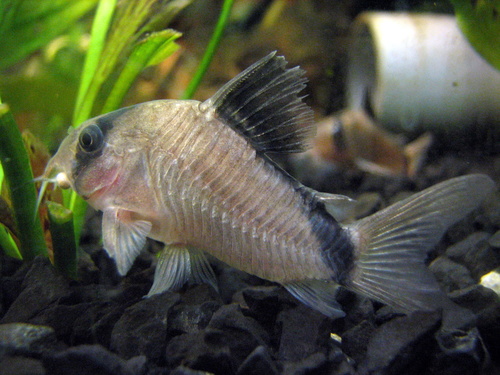
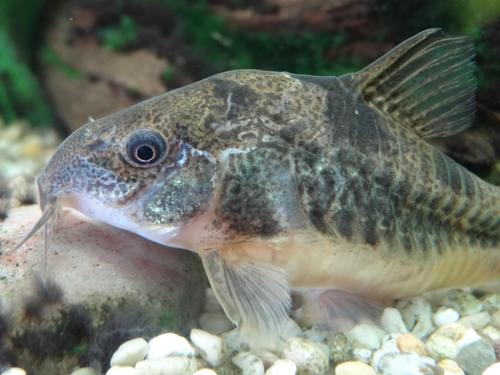
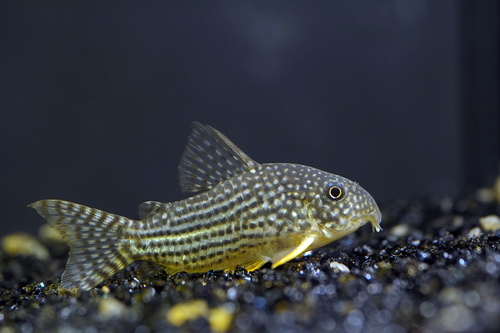
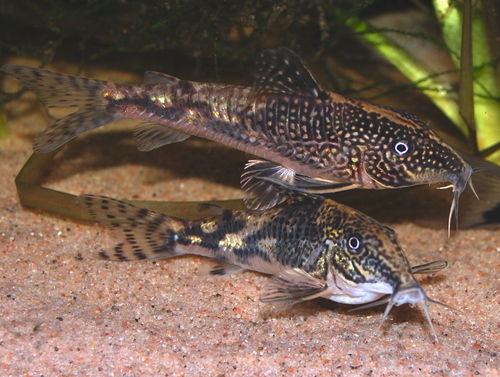
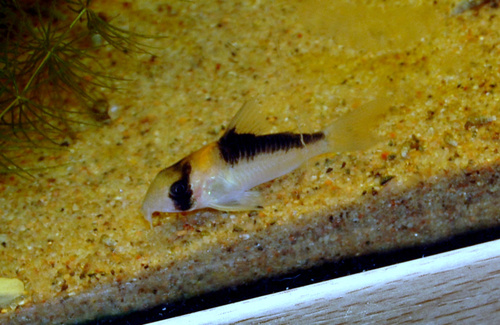
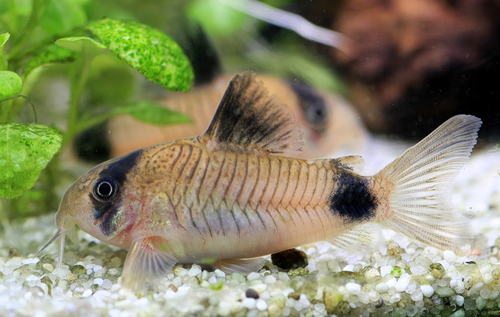
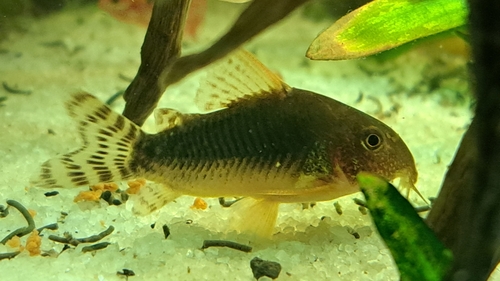
The Palespotted Corydoras (Corydoras gossei) is a delightful freshwater fish native to the warm waters of Southeast Asia. Known for its distinctive pale spots and sleek, streamlined body, this species typically reaches a maximum size of about 6 cm. Its coloration consists of a light to dark brown base with lighter spots that provide excellent camouflage amidst the substrate and vegetation of its natural habitat. These fish are often found in slow-moving rivers and streams, where they thrive in sandy or fine gravel bottoms, allowing them to forage for food with their specialized mouthparts.
Palespotted Corydoras are social creatures that prefer to live in groups, exhibiting playful behavior as they explore their environment. They are bottom-dwellers and enjoy rummaging through the substrate for detritus and small invertebrates. Their peaceful nature makes them a perfect addition to community tanks, where they coexist harmoniously with a variety of other freshwater species. Observing their interactions can provide a fascinating glimpse into their social dynamics and feeding habits.
In terms of care, these fish require a well-maintained aquarium with plenty of hiding spaces and gentle filtration. They are somewhat sensitive to water quality, which makes regular maintenance essential. The Palespotted Corydoras is also known for its ability to adapt to various water conditions, though they thrive best in slightly acidic to neutral pH levels. This adaptability, combined with their engaging behavior, makes them a favorite among aquarists of all skill levels.
Overall, the Palespotted Corydoras is not only a visually appealing species but also an interesting and interactive addition to any freshwater aquarium. Their unique behavior and compatibility with other fish create an engaging aquatic environment that is sure to delight both novice and experienced aquarists alike.
Palespotted Corydoras are social creatures that prefer to live in groups, exhibiting playful behavior as they explore their environment. They are bottom-dwellers and enjoy rummaging through the substrate for detritus and small invertebrates. Their peaceful nature makes them a perfect addition to community tanks, where they coexist harmoniously with a variety of other freshwater species. Observing their interactions can provide a fascinating glimpse into their social dynamics and feeding habits.
In terms of care, these fish require a well-maintained aquarium with plenty of hiding spaces and gentle filtration. They are somewhat sensitive to water quality, which makes regular maintenance essential. The Palespotted Corydoras is also known for its ability to adapt to various water conditions, though they thrive best in slightly acidic to neutral pH levels. This adaptability, combined with their engaging behavior, makes them a favorite among aquarists of all skill levels.
Overall, the Palespotted Corydoras is not only a visually appealing species but also an interesting and interactive addition to any freshwater aquarium. Their unique behavior and compatibility with other fish create an engaging aquatic environment that is sure to delight both novice and experienced aquarists alike.
To ensure the well-being of Palespotted Corydoras, maintaining optimal water conditions is crucial. They prefer a temperature range of 22-28°C and thrive in water with a pH between 6.0 and 7.5. Regular testing of water parameters is recommended to keep ammonia and nitrite levels at zero, as these fish are sensitive to poor water quality. Additionally, a gentle filtration system should be utilized to avoid strong currents that could stress them.
Feeding these fish is relatively straightforward, as they are omnivores. A balanced diet that includes high-quality sinking pellets, frozen or live foods such as bloodworms and brine shrimp, and occasional vegetable matter will keep them healthy. It’s essential to ensure that all food reaches the bottom, allowing the Corydoras to forage naturally.
Compatibility is another strength of the Palespotted Corydoras, as they can be housed with a variety of peaceful species in community tanks. However, it’s advisable to avoid aggressive fish that may outcompete them for food. Acclimation should be done slowly over several hours to minimize stress, and a quarantine period of at least two weeks is recommended for new arrivals to prevent the introduction of diseases to established aquariums.
In summary, with proper care and attention to water quality, feeding, and social dynamics, Palespotted Corydoras can thrive and enhance the beauty of any freshwater aquarium.
Feeding these fish is relatively straightforward, as they are omnivores. A balanced diet that includes high-quality sinking pellets, frozen or live foods such as bloodworms and brine shrimp, and occasional vegetable matter will keep them healthy. It’s essential to ensure that all food reaches the bottom, allowing the Corydoras to forage naturally.
Compatibility is another strength of the Palespotted Corydoras, as they can be housed with a variety of peaceful species in community tanks. However, it’s advisable to avoid aggressive fish that may outcompete them for food. Acclimation should be done slowly over several hours to minimize stress, and a quarantine period of at least two weeks is recommended for new arrivals to prevent the introduction of diseases to established aquariums.
In summary, with proper care and attention to water quality, feeding, and social dynamics, Palespotted Corydoras can thrive and enhance the beauty of any freshwater aquarium.
Palespotted Corydoras are well-suited for shipping, but care must be taken to minimize stress during transit. Packing density should allow for adequate oxygenation, and temperatures should be maintained between 22-28°C to ensure their comfort. As a freshwater species, they are not subject to CITES regulations, simplifying the export process. Proper acclimation upon arrival will help them transition smoothly to their new environment.
Species Parameters
Max Adult Size
6.0 cm
Origin
Southeast Asia
Diet
omnivore
Temp Min
22.0 °C
Temp Max
28.0 °C
pH Min
6.00
pH Max
7.50
Min Tank
80 L