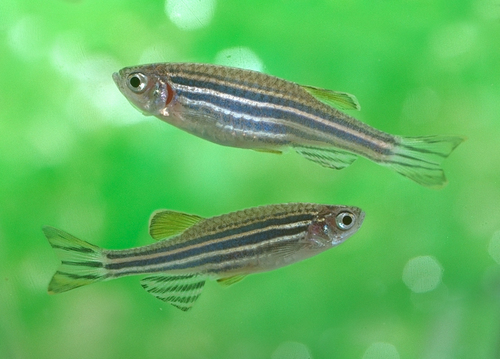
Purple Danio
Brachydanio rerio
Out of Stock
Scarce stock
Wild Caught
Easy care
Not Reef Safe
SKU: 01-A-18-004-03
The Purple Danio is a vibrant, hardy freshwater fish, perfect for any aquarium.
Pricing for Verified Importers
Log in to see wholesale prices and order.
Export Size
up to 5.0 cm
Origin
Southeast Asia
Temperature
20.0–24.0°C
Min. Tank Size
40 L
pH
6.50–7.50
Diet
omnivore
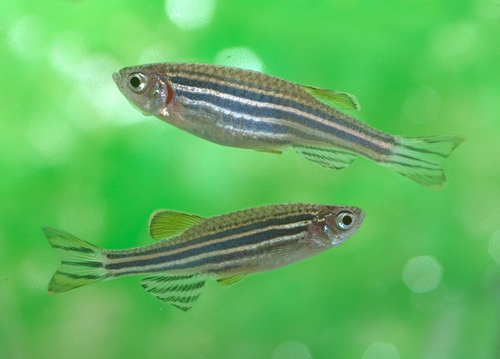
The Purple Danio (Brachydanio rerio), commonly known as the zebra danio, is a member of the Cyprinidae family native to South Asia. This species is celebrated for its resilience and adaptability, making it a staple in the aquarium trade. Its striking purple coloration, combined with horizontal black stripes, makes it a visually appealing choice for both novice and experienced aquarists. These fish are small, typically reaching a maximum length of about 5 cm, and are known for their active and playful behavior.
In their natural habitat, Purple Danios inhabit a variety of freshwater environments, including rivers and streams with moderate to fast currents. They prefer areas with ample vegetation, which provides both shelter and breeding grounds. These fish thrive in shoals, displaying a social nature that encourages group swimming and dynamic interactions. Their lively disposition and schooling behavior not only enhance their own well-being but also add liveliness to community tanks.
Purple Danios are omnivorous, feeding on a diverse diet that includes small insects, crustaceans, and plant material in the wild. In captivity, they readily accept a variety of foods, including high-quality flakes, pellets, and frozen or live foods. Their hardiness and adaptability to different water conditions make them an ideal choice for beginners and as a complement to more complex species in community aquariums.
Overall, the Purple Danio stands out not only for its beauty but also its ease of care, making it a top choice for aquarium enthusiasts looking to introduce vibrant life into their tanks. With proper care, these fish can thrive and bring joy to any aquatic display.
In their natural habitat, Purple Danios inhabit a variety of freshwater environments, including rivers and streams with moderate to fast currents. They prefer areas with ample vegetation, which provides both shelter and breeding grounds. These fish thrive in shoals, displaying a social nature that encourages group swimming and dynamic interactions. Their lively disposition and schooling behavior not only enhance their own well-being but also add liveliness to community tanks.
Purple Danios are omnivorous, feeding on a diverse diet that includes small insects, crustaceans, and plant material in the wild. In captivity, they readily accept a variety of foods, including high-quality flakes, pellets, and frozen or live foods. Their hardiness and adaptability to different water conditions make them an ideal choice for beginners and as a complement to more complex species in community aquariums.
Overall, the Purple Danio stands out not only for its beauty but also its ease of care, making it a top choice for aquarium enthusiasts looking to introduce vibrant life into their tanks. With proper care, these fish can thrive and bring joy to any aquatic display.
To ensure the health and longevity of Purple Danios, maintain water parameters within the following ranges: temperature between 20-24°C, pH levels of 6.5-7.5, and moderate hardness. These fish prefer slightly acidic to neutral water, which mimics their natural habitat. Regular water changes and good filtration are essential to keep the environment clean and reduce stress.
Feeding Purple Danios is straightforward, as they are not picky eaters. A varied diet including high-quality flakes, pellets, and occasional live or frozen foods like brine shrimp and daphnia will ensure they receive adequate nutrition. It’s important to feed them multiple small meals throughout the day rather than one large feeding to prevent overfeeding and maintain water quality.
When introducing Purple Danios to a community aquarium, they are generally compatible with a wide range of other species, including tetras, rasboras, and other small to medium-sized fish. Avoid keeping them with overly aggressive or large fish that may pose a threat. Before adding them to your aquarium, acclimate them slowly to their new environment by floating the sealed bag in the tank for about 15-20 minutes, then gradually mix tank water into the bag before fully introducing them.
Quarantine new arrivals for at least 2 weeks to monitor for signs of disease before adding them to your main tank. This practice is crucial for maintaining the health of your existing fish population and preventing the introduction of pathogens.
Feeding Purple Danios is straightforward, as they are not picky eaters. A varied diet including high-quality flakes, pellets, and occasional live or frozen foods like brine shrimp and daphnia will ensure they receive adequate nutrition. It’s important to feed them multiple small meals throughout the day rather than one large feeding to prevent overfeeding and maintain water quality.
When introducing Purple Danios to a community aquarium, they are generally compatible with a wide range of other species, including tetras, rasboras, and other small to medium-sized fish. Avoid keeping them with overly aggressive or large fish that may pose a threat. Before adding them to your aquarium, acclimate them slowly to their new environment by floating the sealed bag in the tank for about 15-20 minutes, then gradually mix tank water into the bag before fully introducing them.
Quarantine new arrivals for at least 2 weeks to monitor for signs of disease before adding them to your main tank. This practice is crucial for maintaining the health of your existing fish population and preventing the introduction of pathogens.
Purple Danios are well-suited for shipping due to their hardiness. Optimal packing density is about 5-10 fish per liter to minimize stress during transit. Maintain a shipping temperature of 20-24°C to ensure their well-being. There are no CITES restrictions for this species, making it easier for importers to handle. Proper ventilation and cushioning are recommended to prevent damage during transport.
Species Parameters
Max Adult Size
5.0 cm
Origin
Southeast Asia
Diet
omnivore
Temp Min
20.0 °C
Temp Max
24.0 °C
pH Min
6.50
pH Max
7.50
Min Tank
40 L