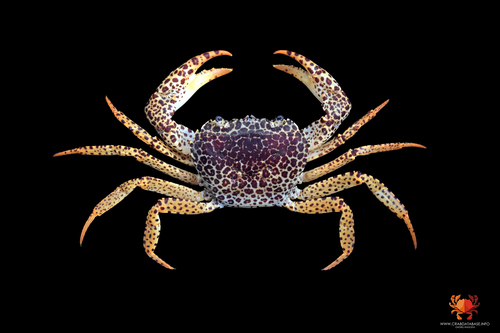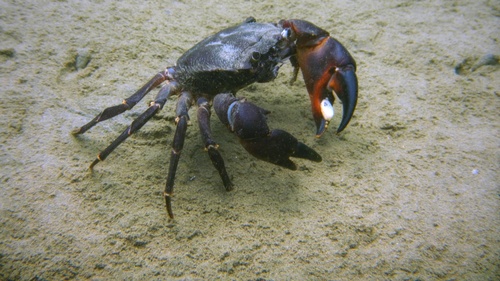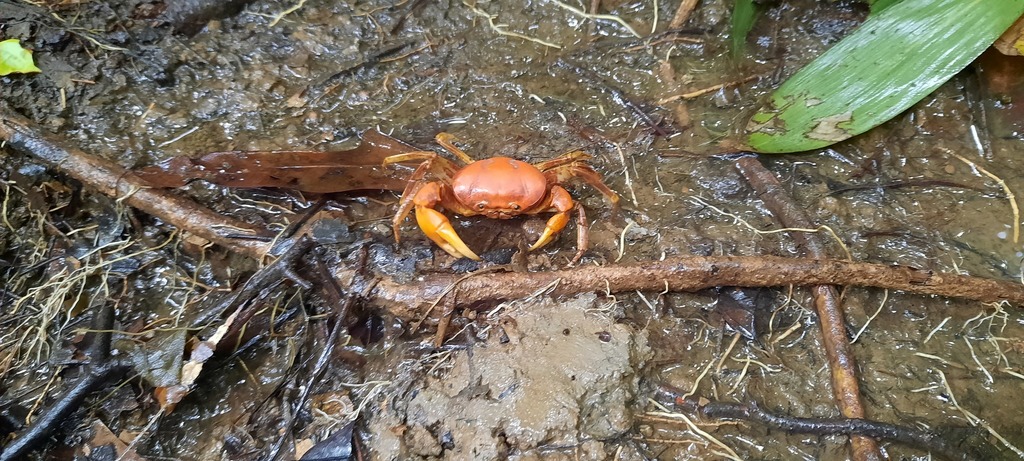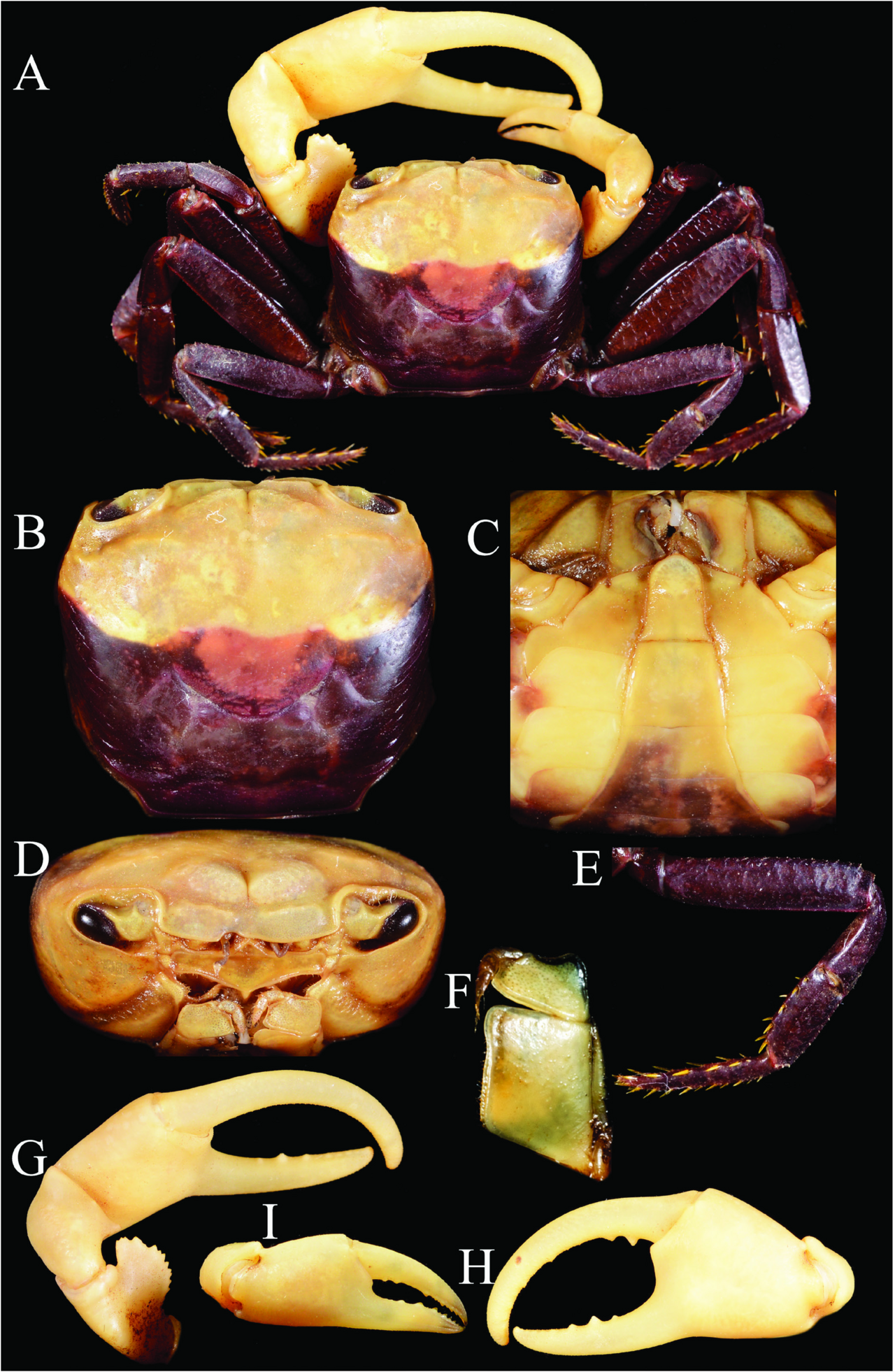
Panda Blue Crab
Lepidothelphusa Padawan
In Stock
Common stock
Wild Caught
Moderate care
SKU: AQ-FW-0085
Discover the vibrant Panda Blue Crab, a unique freshwater crustacean from Bali.
Pricing for Verified Importers
Log in to see wholesale prices and order.
Export Size
up to 10.0 cm
Origin
Southeast Asia
Temperature
22.0–28.0°C
Min. Tank Size
50 L
pH
6.50–8.00
Diet
omnivore
The Panda Blue Crab, scientifically known as Lepidothelphusa Padawan, is a striking freshwater invertebrate found in the crystal-clear rivers and lakes of Bali, Indonesia. This species is renowned for its distinctive coloration, featuring a combination of deep blue and white patterns that resemble the markings of a panda, which adds an aesthetic appeal to any aquatic setup. Their unique appearance makes them a favorite among aquarium enthusiasts and collectors alike.
In terms of natural history, Panda Blue Crabs thrive in freshwater environments, where they inhabit areas with ample vegetation and sandy substrates. They are primarily nocturnal, showcasing active foraging behavior during the night. During the day, they prefer to hide among rocks or aquatic plants, making them less visible to predators. Their diet mainly consists of detritus, small invertebrates, and plant matter, which they scavenge from the substrate.
Behaviorally, these crabs are semi-social, often found in small groups. They communicate through various body postures and gestures, especially during mating rituals. The breeding process is fascinating, as females carry fertilized eggs under their carapace until they hatch into larvae, which then enter a planktonic phase before settling into their adult habitat.
The Panda Blue Crab plays a crucial role in their ecosystem, contributing to the nutrient cycle and maintaining the health of their aquatic habitats. With their intriguing behavior and vibrant appearance, they are an excellent addition to freshwater aquariums, providing both visual interest and ecological benefits.
In terms of natural history, Panda Blue Crabs thrive in freshwater environments, where they inhabit areas with ample vegetation and sandy substrates. They are primarily nocturnal, showcasing active foraging behavior during the night. During the day, they prefer to hide among rocks or aquatic plants, making them less visible to predators. Their diet mainly consists of detritus, small invertebrates, and plant matter, which they scavenge from the substrate.
Behaviorally, these crabs are semi-social, often found in small groups. They communicate through various body postures and gestures, especially during mating rituals. The breeding process is fascinating, as females carry fertilized eggs under their carapace until they hatch into larvae, which then enter a planktonic phase before settling into their adult habitat.
The Panda Blue Crab plays a crucial role in their ecosystem, contributing to the nutrient cycle and maintaining the health of their aquatic habitats. With their intriguing behavior and vibrant appearance, they are an excellent addition to freshwater aquariums, providing both visual interest and ecological benefits.
When caring for Panda Blue Crabs, it's essential to maintain stable water parameters. The ideal temperature range is between 22-28°C, with a pH level between 6.5 and 8.0. Since they are freshwater species, salinity is not applicable. A minimum tank size of 50 liters is recommended to provide ample space for these active creatures.
Feeding should focus on a varied diet that includes high-quality pellets, blanched vegetables, and occasional protein sources such as brine shrimp or bloodworms. This omnivorous diet will ensure optimal health and vibrant coloration. Compatibility-wise, Panda Blue Crabs can coexist with other peaceful freshwater species but should be monitored to prevent territorial disputes, especially during molting periods.
Acclimation is crucial; slowly introduce them to the new tank environment over several hours to reduce stress. Quarantine new arrivals for at least two weeks to observe for any signs of disease before introducing them to the main aquarium. Maintaining good water quality and regular tank maintenance will help prevent issues and promote the well-being of these fascinating crustaceans.
Feeding should focus on a varied diet that includes high-quality pellets, blanched vegetables, and occasional protein sources such as brine shrimp or bloodworms. This omnivorous diet will ensure optimal health and vibrant coloration. Compatibility-wise, Panda Blue Crabs can coexist with other peaceful freshwater species but should be monitored to prevent territorial disputes, especially during molting periods.
Acclimation is crucial; slowly introduce them to the new tank environment over several hours to reduce stress. Quarantine new arrivals for at least two weeks to observe for any signs of disease before introducing them to the main aquarium. Maintaining good water quality and regular tank maintenance will help prevent issues and promote the well-being of these fascinating crustaceans.
Panda Blue Crabs are suitable for shipping due to their hard exoskeleton, which provides protection during transit. They should be packed with adequate moisture and air to ensure their survival. A packing density of 5-6 individuals per liter is recommended to avoid stress. These crabs are sensitive to temperature fluctuations, so maintaining a stable temperature range of 22-24°C during shipping is critical. There are currently no CITES restrictions on this species.
Species Parameters
Max Adult Size
10.0 cm
Origin
Southeast Asia
Diet
omnivore
Temp Min
22.0 °C
Temp Max
28.0 °C
pH Min
6.50
pH Max
8.00
Min Tank
50 L