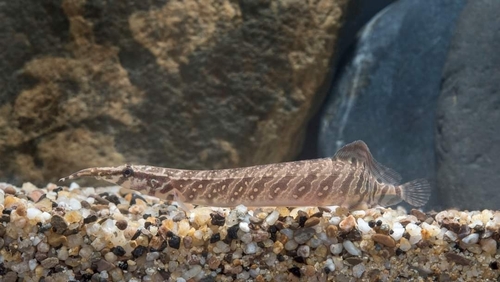
Borneo Tapir (Tiger) Eel
Macrognathus tapirus
Out of Stock
Scarce stock
Wild Caught
Moderate care
Not Reef Safe
SKU: 01-A-28-010-10
Discover the unique Borneo Tapir (Tiger) Eel, a captivating freshwater species known for its striking appearance.
Pricing for Verified Importers
Log in to see wholesale prices and order.
Export Size
up to 90.0 cm
Origin
Southeast Asia
Temperature
24.0–28.0°C
Min. Tank Size
200 L
pH
6.50–7.50
Diet
carnivore
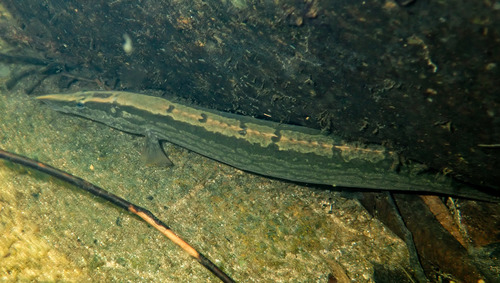
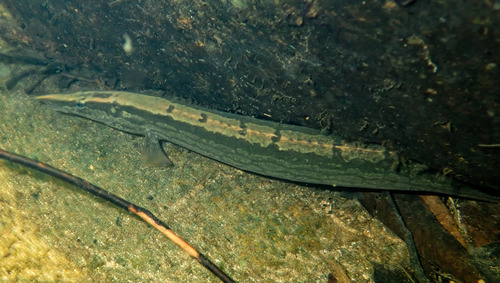
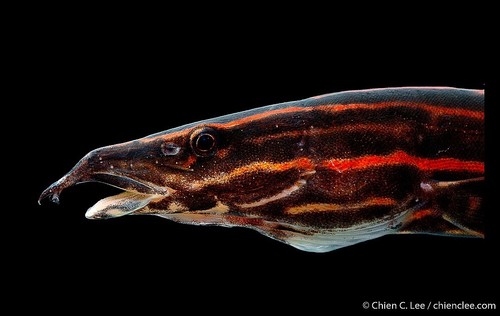
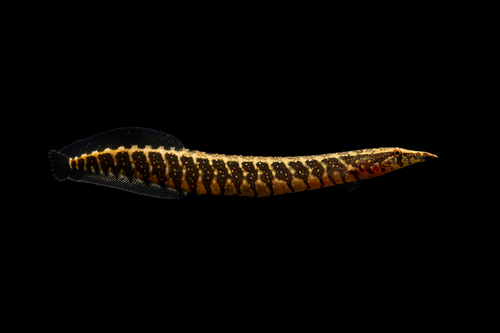
The Borneo Tapir (Tiger) Eel (Macrognathus tapirus) is a fascinating freshwater species native to the rivers and swamps of Southeast Asia, particularly in Borneo. This eel is characterized by its elongated body, which can reach lengths of up to 90 cm, and its distinctive pattern of dark stripes against a lighter background, resembling that of a tiger. The striking coloration not only makes it an attractive choice for aquarists but also aids in its camouflage within the murky waters of its natural habitat.
In terms of behavior, the Borneo Tapir Eel is generally nocturnal, becoming more active during the night when it hunts for food. It primarily feeds on small invertebrates and fish, using its keen sense of smell to locate prey in the sediment. The eel is known for its burrowing behavior, often hiding in the substrate or among aquatic plants during the day, which makes it a unique addition to community tanks that can accommodate its habitat needs.
The Borneo Tapir Eel thrives in slow-moving waters rich in organic material. It prefers environments with plenty of hiding spots, such as caves or dense vegetation, which mimic its natural habitat. This species is often found in areas with a soft substrate, allowing it to burrow and feel secure. Maintaining water quality is crucial, as these eels are sensitive to pollution and drastic changes in their environment.
Overall, the Borneo Tapir Eel is not only a beautiful and intriguing species but also an important part of its ecosystem, contributing to the balance of the aquatic environment in which it resides.
In terms of behavior, the Borneo Tapir Eel is generally nocturnal, becoming more active during the night when it hunts for food. It primarily feeds on small invertebrates and fish, using its keen sense of smell to locate prey in the sediment. The eel is known for its burrowing behavior, often hiding in the substrate or among aquatic plants during the day, which makes it a unique addition to community tanks that can accommodate its habitat needs.
The Borneo Tapir Eel thrives in slow-moving waters rich in organic material. It prefers environments with plenty of hiding spots, such as caves or dense vegetation, which mimic its natural habitat. This species is often found in areas with a soft substrate, allowing it to burrow and feel secure. Maintaining water quality is crucial, as these eels are sensitive to pollution and drastic changes in their environment.
Overall, the Borneo Tapir Eel is not only a beautiful and intriguing species but also an important part of its ecosystem, contributing to the balance of the aquatic environment in which it resides.
To ensure the health and wellbeing of the Borneo Tapir Eel, it is essential to maintain optimal water parameters. The ideal temperature range for this species is between 24°C and 28°C, with a pH level of around 6.5 to 7.5. Regular water changes are necessary to keep the tank clean, as these eels are sensitive to poor water conditions. A minimum tank size of 200 liters is recommended to provide ample swimming space and hiding spots.
Feeding the Borneo Tapir Eel requires a diet rich in protein. Suitable food options include high-quality pellets, frozen or live foods such as bloodworms, brine shrimp, and small fish. It is important to feed them in moderation to avoid overfeeding, which can lead to water quality issues. Additionally, providing a varied diet can enhance their coloration and overall health.
When introducing the Borneo Tapir Eel to a community tank, ensure compatibility with other species. They can coexist with peaceful fish but may become aggressive towards smaller or more timid tank mates. Acclimation should be done gradually, allowing the eel to adjust to its new environment, and a quarantine period of at least two weeks is advisable to monitor for any signs of disease before introducing them to the main tank.
Feeding the Borneo Tapir Eel requires a diet rich in protein. Suitable food options include high-quality pellets, frozen or live foods such as bloodworms, brine shrimp, and small fish. It is important to feed them in moderation to avoid overfeeding, which can lead to water quality issues. Additionally, providing a varied diet can enhance their coloration and overall health.
When introducing the Borneo Tapir Eel to a community tank, ensure compatibility with other species. They can coexist with peaceful fish but may become aggressive towards smaller or more timid tank mates. Acclimation should be done gradually, allowing the eel to adjust to its new environment, and a quarantine period of at least two weeks is advisable to monitor for any signs of disease before introducing them to the main tank.
The Borneo Tapir Eel is suitable for shipping, provided that proper precautions are taken. They should be packed in breathable bags with sufficient oxygen and water to minimize stress during transit. It is crucial to maintain a stable temperature between 24°C and 28°C during shipping to prevent shock. The species is not currently listed under CITES, but compliance with local regulations is recommended.
Species Parameters
Max Adult Size
90.0 cm
Origin
Southeast Asia
Diet
carnivore
Temp Min
24.0 °C
Temp Max
28.0 °C
pH Min
6.50
pH Max
7.50
Min Tank
200 L