Gold Ring Macrobrachium
Macrobrachium sp. "Gold Ring"
In Stock
Common stock
Tank Bred
Moderate care
SKU: AQ-FW-0076
The Gold Ring Macrobrachium is a stunning freshwater invertebrate known for its vibrant coloration and unique adaptations.
Pricing for Verified Importers
Log in to see wholesale prices and order.
Export Size
up to 10.0 cm
Origin
Southeast Asia
Temperature
22.0–28.0°C
Min. Tank Size
50 L
pH
6.50–7.50
Diet
omnivore
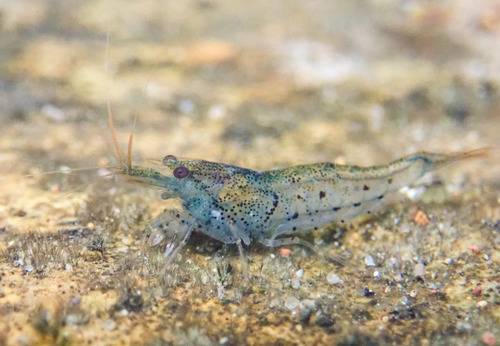
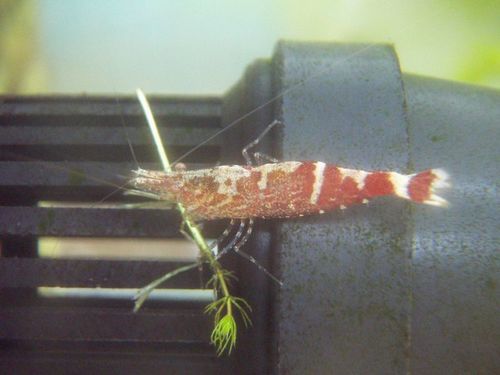
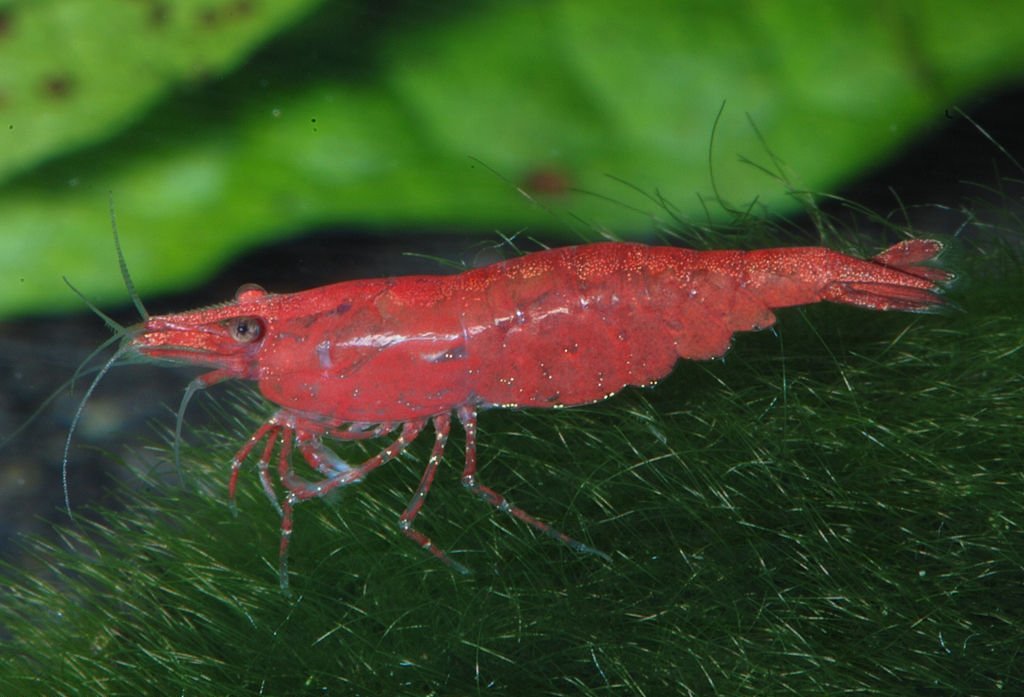
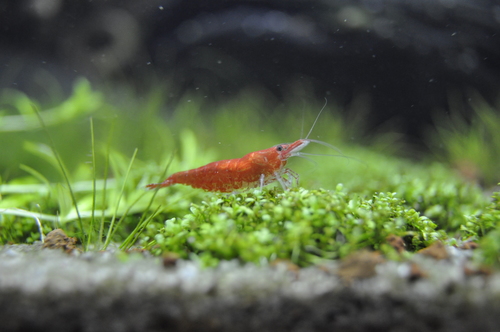
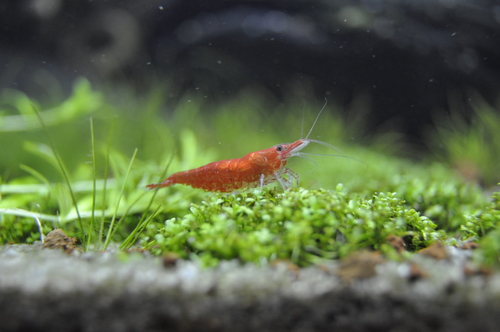
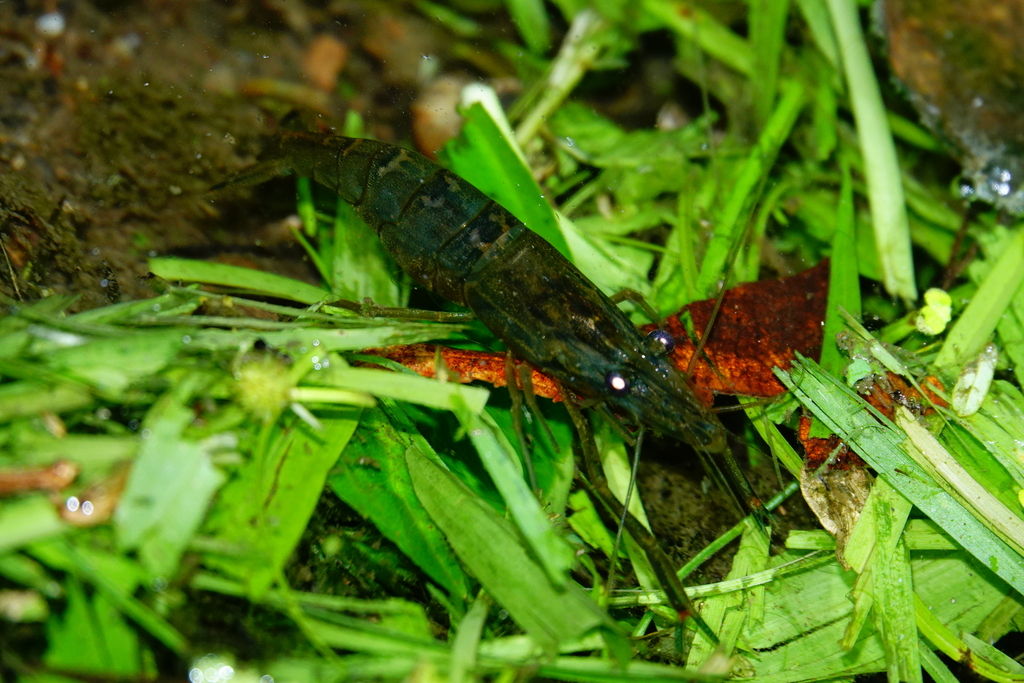
The Gold Ring Macrobrachium (Macrobrachium sp. 'Gold Ring') is a captivating freshwater invertebrate native to the lush waters of Southeast Asia, particularly found in the rivers and estuaries of Bali, Indonesia. This species is characterized by its striking golden band around its body, which stands out against a darker background, making it a favorite among aquarists and collectors. In addition to its visual appeal, the Gold Ring Macrobrachium exhibits fascinating behaviors that make it a dynamic addition to any aquatic environment.
In terms of natural history, the Gold Ring Macrobrachium plays a crucial role in its ecosystem by maintaining the health of freshwater habitats. These shrimps are opportunistic feeders, consuming a varied diet that includes detritus, algae, and small invertebrates. Their adaptability to different water conditions allows them to thrive in diverse environments, contributing to their resilience and popularity in the aquarium trade.
Behaviorally, the Gold Ring Macrobrachium is known for its active and social nature. They often display territorial behaviors, particularly among males, which can lead to interesting interactions in community tanks. These shrimps are also excellent scavengers, helping to keep the tank clean by consuming leftover food and organic matter. Their playful antics and engaging behaviors make them a delight to observe, adding life to any aquarium setting.
In their natural habitat, Gold Ring Macrobrachium typically inhabit freshwater rivers and streams with moderate flow and ample hiding spots provided by rocks and vegetation. This preference for complex habitats is essential for their growth and development, as it offers protection from predators and access to food sources. The combination of their striking appearance and vital ecological role makes the Gold Ring Macrobrachium a remarkable species for both hobbyists and commercial aquarists alike.
In terms of natural history, the Gold Ring Macrobrachium plays a crucial role in its ecosystem by maintaining the health of freshwater habitats. These shrimps are opportunistic feeders, consuming a varied diet that includes detritus, algae, and small invertebrates. Their adaptability to different water conditions allows them to thrive in diverse environments, contributing to their resilience and popularity in the aquarium trade.
Behaviorally, the Gold Ring Macrobrachium is known for its active and social nature. They often display territorial behaviors, particularly among males, which can lead to interesting interactions in community tanks. These shrimps are also excellent scavengers, helping to keep the tank clean by consuming leftover food and organic matter. Their playful antics and engaging behaviors make them a delight to observe, adding life to any aquarium setting.
In their natural habitat, Gold Ring Macrobrachium typically inhabit freshwater rivers and streams with moderate flow and ample hiding spots provided by rocks and vegetation. This preference for complex habitats is essential for their growth and development, as it offers protection from predators and access to food sources. The combination of their striking appearance and vital ecological role makes the Gold Ring Macrobrachium a remarkable species for both hobbyists and commercial aquarists alike.
When keeping Gold Ring Macrobrachium, it is essential to maintain optimal water parameters for their health and well-being. The ideal temperature range is between 22°C to 28°C, with a pH level of 6.5 to 7.5. As a freshwater species, they do not require salinity adjustments. A minimum tank size of 50 liters is recommended to provide ample swimming space and territory for these active shrimps.
Feeding should consist of a balanced diet that includes high-quality shrimp pellets, algae wafers, and occasional protein sources such as brine shrimp or daphnia. It's important to vary their diet to ensure they receive all necessary nutrients. Compatibility-wise, Gold Ring Macrobrachium can coexist with other peaceful freshwater species but may exhibit aggression towards their kind, particularly males, so consider keeping them in a species-specific tank or with ample hiding spots and territories.
Acclimation is crucial when introducing Gold Ring Macrobrachium to a new environment. Gradually acclimate them to the new water conditions over a period of several hours to reduce stress. Quarantine new arrivals for at least two weeks to monitor for any signs of disease before introducing them to the main tank. Regular water changes and good filtration will help maintain a healthy environment for these vibrant invertebrates.
Feeding should consist of a balanced diet that includes high-quality shrimp pellets, algae wafers, and occasional protein sources such as brine shrimp or daphnia. It's important to vary their diet to ensure they receive all necessary nutrients. Compatibility-wise, Gold Ring Macrobrachium can coexist with other peaceful freshwater species but may exhibit aggression towards their kind, particularly males, so consider keeping them in a species-specific tank or with ample hiding spots and territories.
Acclimation is crucial when introducing Gold Ring Macrobrachium to a new environment. Gradually acclimate them to the new water conditions over a period of several hours to reduce stress. Quarantine new arrivals for at least two weeks to monitor for any signs of disease before introducing them to the main tank. Regular water changes and good filtration will help maintain a healthy environment for these vibrant invertebrates.
Gold Ring Macrobrachium is suitable for shipping, provided proper care is taken during transport. Pack these shrimps in breathable bags with ample oxygen and ensure they are cushioned to prevent movement. The recommended packing density is 6-8 individuals per liter of water. They are sensitive to temperature fluctuations, so maintain a stable temperature range during shipping. Currently, there are no CITES restrictions on this species, making it easier for importers to source them legally.
Species Parameters
Max Adult Size
10.0 cm
Origin
Southeast Asia
Diet
omnivore
Temp Min
22.0 °C
Temp Max
28.0 °C
pH Min
6.50
pH Max
7.50
Min Tank
50 L