Olive Green Nerite Snail
Neritina reclivata
In Stock
Common stock
Tank Bred
Moderate care
SKU: AQ-FW-0082
The Olive Green Nerite Snail is a unique freshwater invertebrate known for its algae-eating prowess.
Pricing for Verified Importers
Log in to see wholesale prices and order.
Export Size
up to 3.0 cm
Origin
Southeast Asia
Temperature
22.0–28.0°C
Min. Tank Size
20 L
pH
7.00–8.50
Diet
herbivore
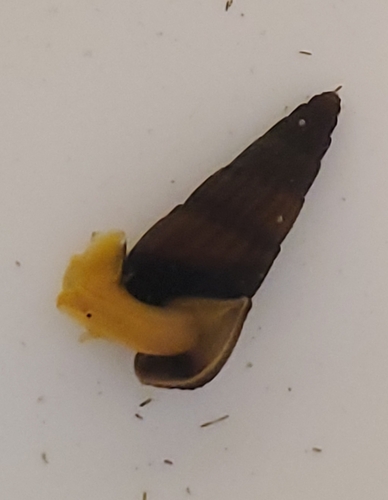
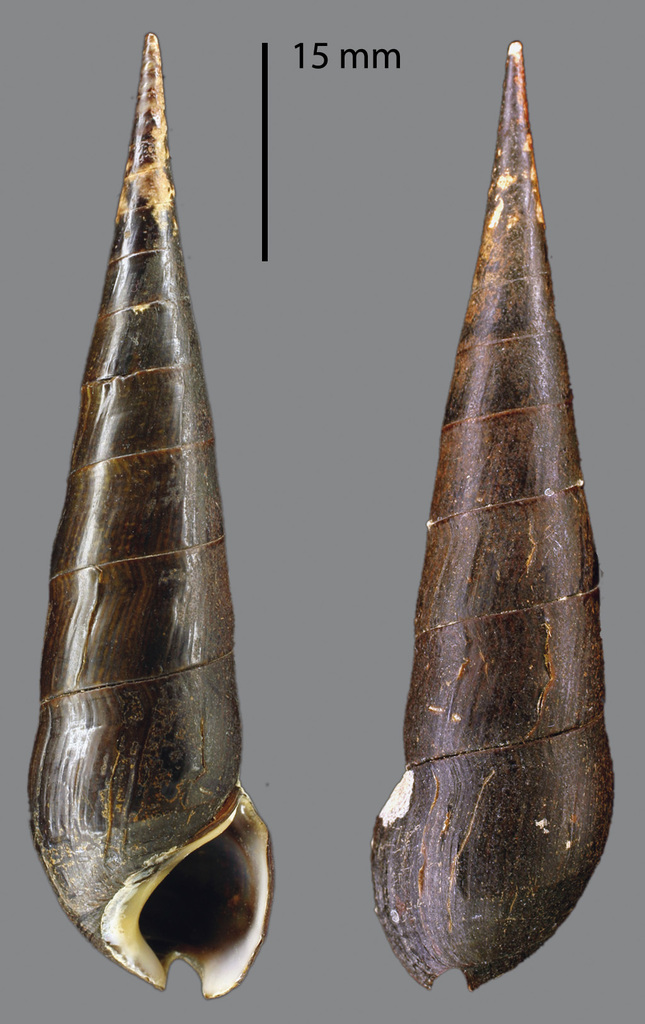
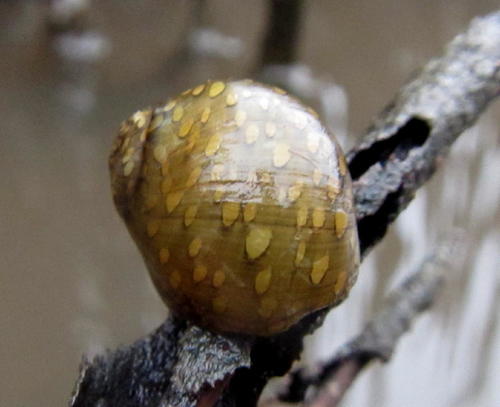
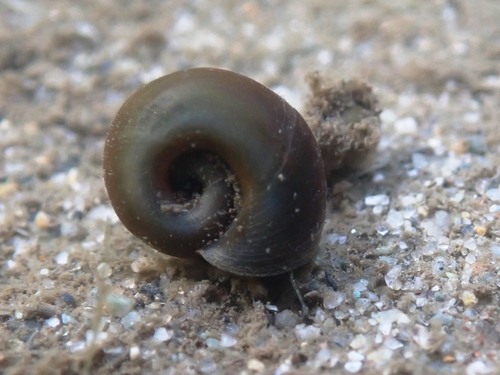
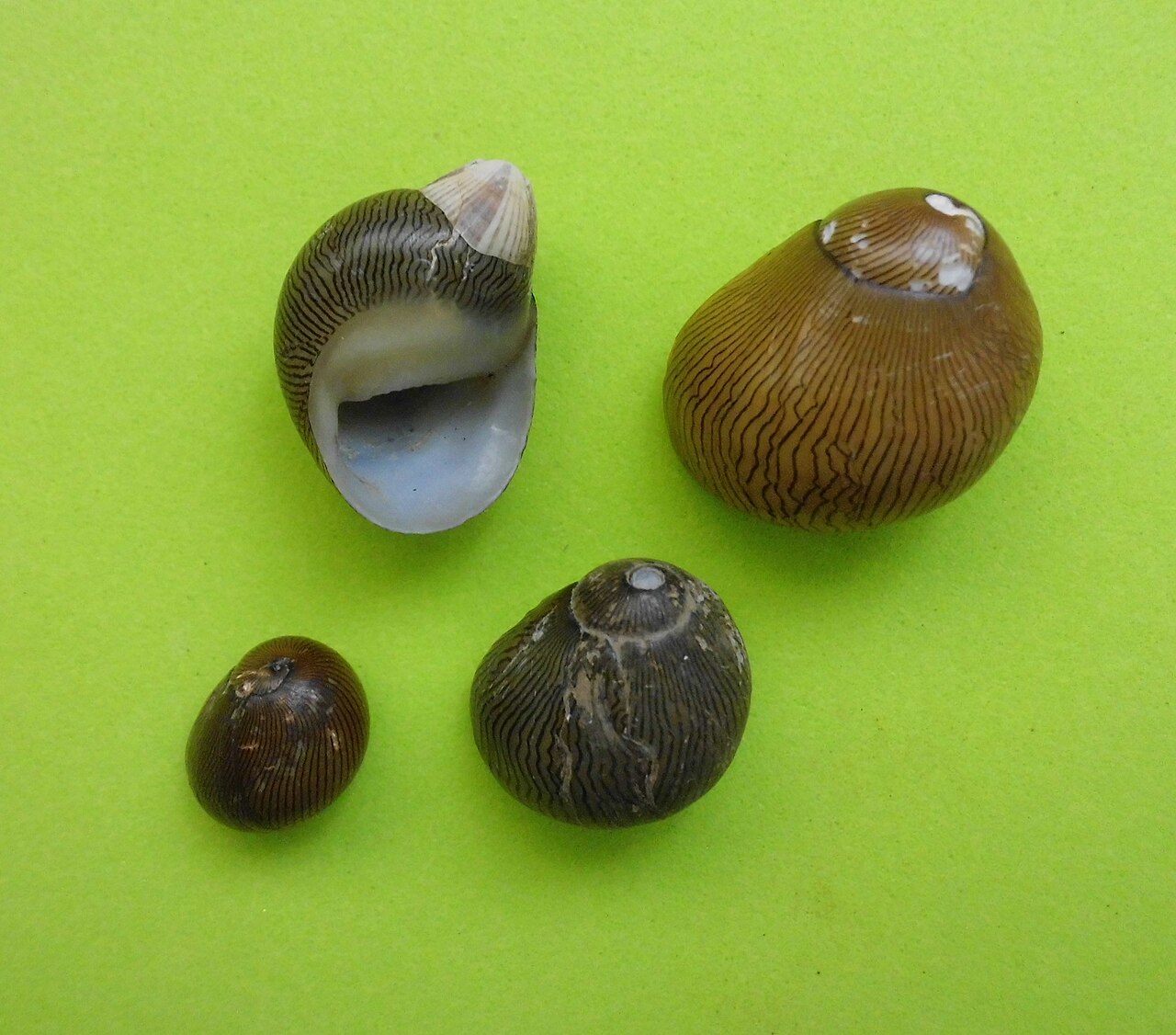
The Olive Green Nerite Snail (Neritina reclivata) is a captivating freshwater invertebrate native to the lush waters of Southeast Asia. This species is particularly admired for its distinctive olive-green shell adorned with intricate patterns, making it an appealing addition to any aquarium. Reaching a maximum size of about 3 cm, these snails exhibit a robust body and a spiraled shell that enhances their aesthetic appeal in aquatic environments.
In their natural habitat, Olive Green Nerite Snails thrive in slow-moving rivers and streams, often found among vegetation where they play a crucial role in the ecosystem by grazing on algae. Their diet primarily consists of various types of algae, helping maintain a clean substrate in aquariums. In addition to their algae-eating habits, these snails are known for their interesting behaviors, including the ability to climb surfaces and even cling to glass, which adds an engaging dynamic to tank life.
Behaviorally, Olive Green Nerite Snails are generally peaceful and do well in community tanks. They prefer to be in groups, which not only provides them with security but also encourages natural behaviors. Unlike some other snail species, they are not known to breed in freshwater, making them a suitable option for aquarists concerned about overpopulation in their tanks. This unique reproductive characteristic allows them to thrive without overwhelming the aquarium environment.
Overall, the Olive Green Nerite Snail is more than just a decorative species; it serves an important ecological function by controlling algae growth while being a delight to observe. Their hardy nature and adaptability to various freshwater conditions make them a favorite among aquarium enthusiasts and importers alike.
In their natural habitat, Olive Green Nerite Snails thrive in slow-moving rivers and streams, often found among vegetation where they play a crucial role in the ecosystem by grazing on algae. Their diet primarily consists of various types of algae, helping maintain a clean substrate in aquariums. In addition to their algae-eating habits, these snails are known for their interesting behaviors, including the ability to climb surfaces and even cling to glass, which adds an engaging dynamic to tank life.
Behaviorally, Olive Green Nerite Snails are generally peaceful and do well in community tanks. They prefer to be in groups, which not only provides them with security but also encourages natural behaviors. Unlike some other snail species, they are not known to breed in freshwater, making them a suitable option for aquarists concerned about overpopulation in their tanks. This unique reproductive characteristic allows them to thrive without overwhelming the aquarium environment.
Overall, the Olive Green Nerite Snail is more than just a decorative species; it serves an important ecological function by controlling algae growth while being a delight to observe. Their hardy nature and adaptability to various freshwater conditions make them a favorite among aquarium enthusiasts and importers alike.
To successfully maintain Olive Green Nerite Snails in your aquarium, it is essential to provide stable water parameters. Ideal water temperature ranges between 22 to 28 degrees Celsius, with a pH level between 7.0 and 8.5. These snails are freshwater inhabitants and do not require saline environments. A minimum tank size of 20 liters is recommended to ensure adequate space for grazing and social interaction among multiple snails.
Feeding these snails is straightforward, as they are primarily herbivorous. They thrive on a diet rich in algae, but it is beneficial to supplement their diet with high-quality algae wafers, blanched vegetables, and spirulina-based foods. This variety will ensure their health and vibrant color. Compatibility-wise, Olive Green Nerite Snails coexist well with a wide range of freshwater fish and invertebrates, provided that tank mates are not aggressive.
Acclimation should be done gradually to minimize stress; introducing them slowly over a few hours is ideal. Quarantine new snails for at least two weeks before adding them to a main tank to prevent introducing any potential diseases. Regular water changes and monitoring of water quality will promote the well-being of these snails and enhance their longevity in your aquatic setup.
Feeding these snails is straightforward, as they are primarily herbivorous. They thrive on a diet rich in algae, but it is beneficial to supplement their diet with high-quality algae wafers, blanched vegetables, and spirulina-based foods. This variety will ensure their health and vibrant color. Compatibility-wise, Olive Green Nerite Snails coexist well with a wide range of freshwater fish and invertebrates, provided that tank mates are not aggressive.
Acclimation should be done gradually to minimize stress; introducing them slowly over a few hours is ideal. Quarantine new snails for at least two weeks before adding them to a main tank to prevent introducing any potential diseases. Regular water changes and monitoring of water quality will promote the well-being of these snails and enhance their longevity in your aquatic setup.
Olive Green Nerite Snails are suitable for shipping due to their hardiness. They should be packed securely in breathable bags with adequate water and air to maintain oxygen levels during transit. A packing density of 5-10 snails per bag is recommended to minimize stress. They can tolerate a temperature range of 18 to 28 degrees Celsius, but it is crucial to avoid extremes during shipping. These snails are not listed under CITES, simplifying export regulations.
Species Parameters
Max Adult Size
3.0 cm
Origin
Southeast Asia
Diet
herbivore
Temp Min
22.0 °C
Temp Max
28.0 °C
pH Min
7.00
pH Max
8.50
Min Tank
20 L