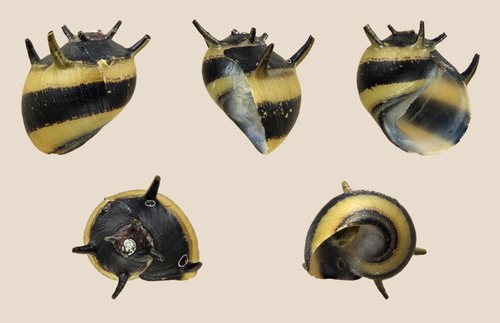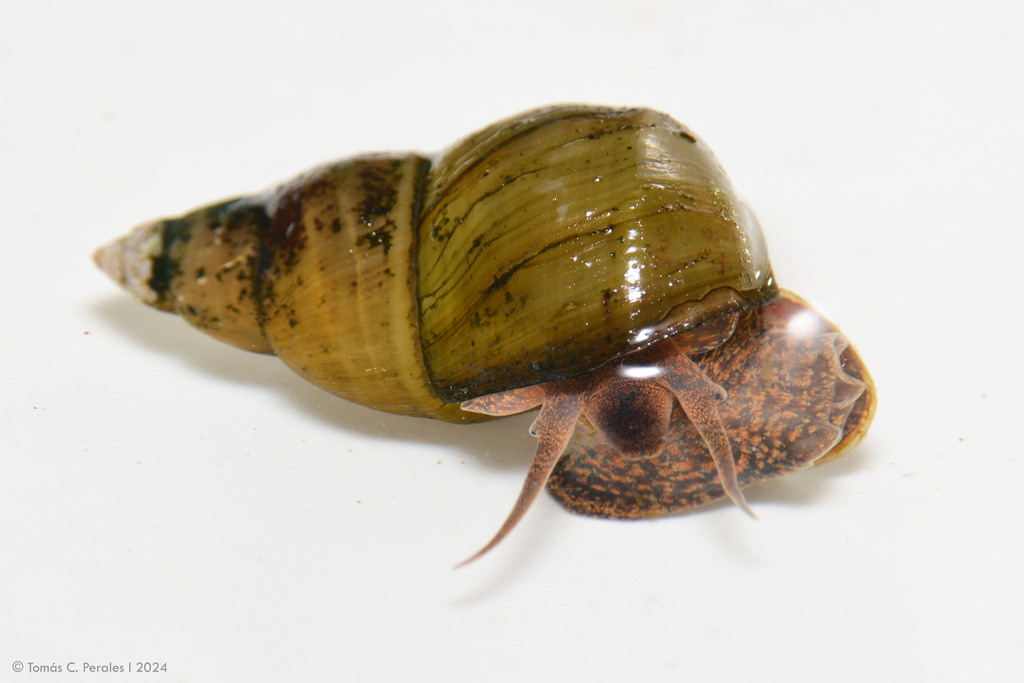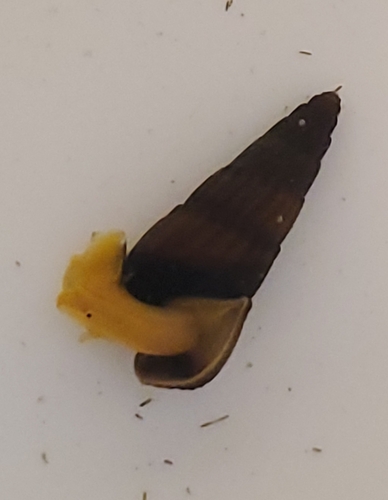
Sulawesi King Snail
Tylomelania towutensis
Out of Stock
Scarce stock
Wild Caught
Moderate care
Not Reef Safe
SKU: 01-D-01-061-15
Discover the unique beauty of the Sulawesi King Snail, a captivating freshwater mollusk.
Pricing for Verified Importers
Log in to see wholesale prices and order.
Export Size
up to 10.0 cm
Origin
Southeast Asia
Temperature
24.0–28.0°C
Min. Tank Size
20 L
pH
7.00–8.50
Diet
herbivore
Tylomelania towutensis, commonly known as the Sulawesi King Snail, is a striking freshwater snail native to the Sulawesi region of Indonesia. This species belongs to the family Pachychilidae and is known for its distinctive shell morphology, which features a spiral shape and vivid coloration. The Sulawesi King Snail is not only visually appealing but also plays a vital role in its ecosystem, helping to maintain the balance of freshwater habitats through its grazing habits.
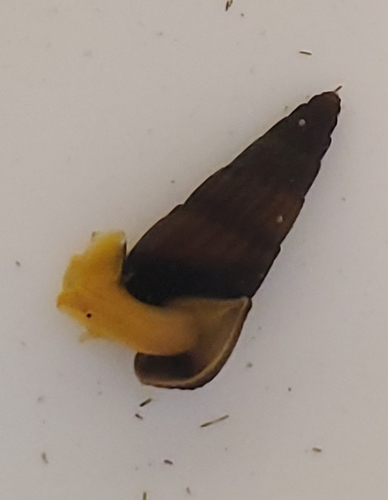
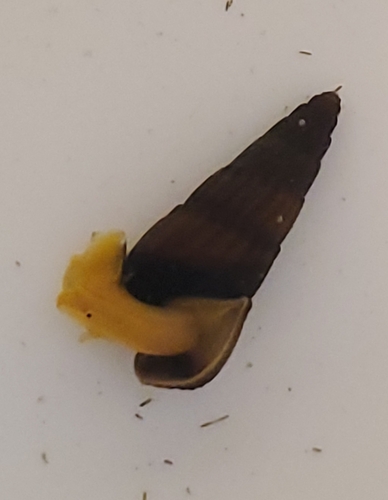
In terms of appearance, the Sulawesi King Snail can be recognized by its elongated, conical shell adorned with various patterns and colors that range from browns to yellows. The shell can grow up to 10 cm in length, making it one of the larger freshwater snails available in the aquarium trade. Its body is soft and often displays a contrasting color to its shell, enhancing its aesthetic appeal in aquascapes.
Behaviorally, Tylomelania towutensis is known to be a peaceful species, which makes it an excellent addition to community tanks. They are primarily herbivorous, feeding on algae and decaying plant matter. Their grazing behavior can also help control algae growth in aquariums, promoting a healthier environment for other aquatic life. They are generally active during the day, often found exploring the substrate or resting on plants.
The natural habitat of the Sulawesi King Snail includes freshwater lakes and rivers, particularly in areas with dense vegetation and ample food sources. The specific environmental conditions of these habitats, including water parameters and substrate composition, have shaped the adaptations and behaviors of this species, making them well-suited for aquarists who can replicate these conditions in a home aquarium.
In terms of appearance, the Sulawesi King Snail can be recognized by its elongated, conical shell adorned with various patterns and colors that range from browns to yellows. The shell can grow up to 10 cm in length, making it one of the larger freshwater snails available in the aquarium trade. Its body is soft and often displays a contrasting color to its shell, enhancing its aesthetic appeal in aquascapes.
Behaviorally, Tylomelania towutensis is known to be a peaceful species, which makes it an excellent addition to community tanks. They are primarily herbivorous, feeding on algae and decaying plant matter. Their grazing behavior can also help control algae growth in aquariums, promoting a healthier environment for other aquatic life. They are generally active during the day, often found exploring the substrate or resting on plants.
The natural habitat of the Sulawesi King Snail includes freshwater lakes and rivers, particularly in areas with dense vegetation and ample food sources. The specific environmental conditions of these habitats, including water parameters and substrate composition, have shaped the adaptations and behaviors of this species, making them well-suited for aquarists who can replicate these conditions in a home aquarium.
To ensure the health and vitality of Tylomelania towutensis, it is crucial to maintain stable water parameters. Ideally, the water temperature should be kept between 24°C to 28°C, with a pH range of 7.0 to 8.5. The water should be soft to moderately hard, mimicking the natural conditions of their native habitats. Regular water changes and good filtration will help maintain water quality.
Feeding the Sulawesi King Snail is relatively straightforward, as they are primarily herbivorous. A diet consisting of high-quality algae wafers, blanched vegetables, and supplementary plant matter will ensure their nutritional needs are met. It is advisable to avoid overfeeding, as uneaten food can lead to water quality issues.
In terms of compatibility, Tylomelania towutensis is generally peaceful and can coexist with a variety of freshwater fish and invertebrates. However, larger predatory species should be avoided, as they may pose a threat. When introducing new snails to a tank, a gradual acclimation process is recommended to reduce stress and ensure a smooth transition.
Quarantine is also advised for new arrivals to prevent the introduction of diseases into established tanks. A separate quarantine tank with similar water conditions can help monitor the health of the snails before introducing them to the main aquarium.
Feeding the Sulawesi King Snail is relatively straightforward, as they are primarily herbivorous. A diet consisting of high-quality algae wafers, blanched vegetables, and supplementary plant matter will ensure their nutritional needs are met. It is advisable to avoid overfeeding, as uneaten food can lead to water quality issues.
In terms of compatibility, Tylomelania towutensis is generally peaceful and can coexist with a variety of freshwater fish and invertebrates. However, larger predatory species should be avoided, as they may pose a threat. When introducing new snails to a tank, a gradual acclimation process is recommended to reduce stress and ensure a smooth transition.
Quarantine is also advised for new arrivals to prevent the introduction of diseases into established tanks. A separate quarantine tank with similar water conditions can help monitor the health of the snails before introducing them to the main aquarium.
The Sulawesi King Snail is suitable for shipping due to its hardiness. They should be packed with care in damp substrate or moss to maintain humidity during transport. A packing density of 10-15 snails per liter is recommended to reduce stress. These snails are sensitive to extreme temperatures, so maintaining a stable temperature range during shipping is crucial. As Tylomelania towutensis is not listed under CITES, there are no export restrictions.
Species Parameters
Max Adult Size
10.0 cm
Origin
Southeast Asia
Diet
herbivore
Temp Min
24.0 °C
Temp Max
28.0 °C
pH Min
7.00
pH Max
8.50
Min Tank
20 L