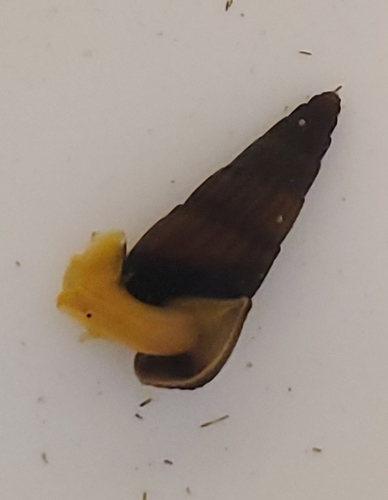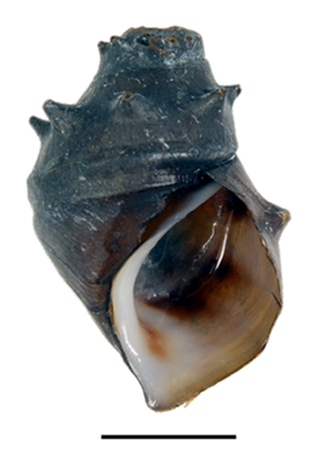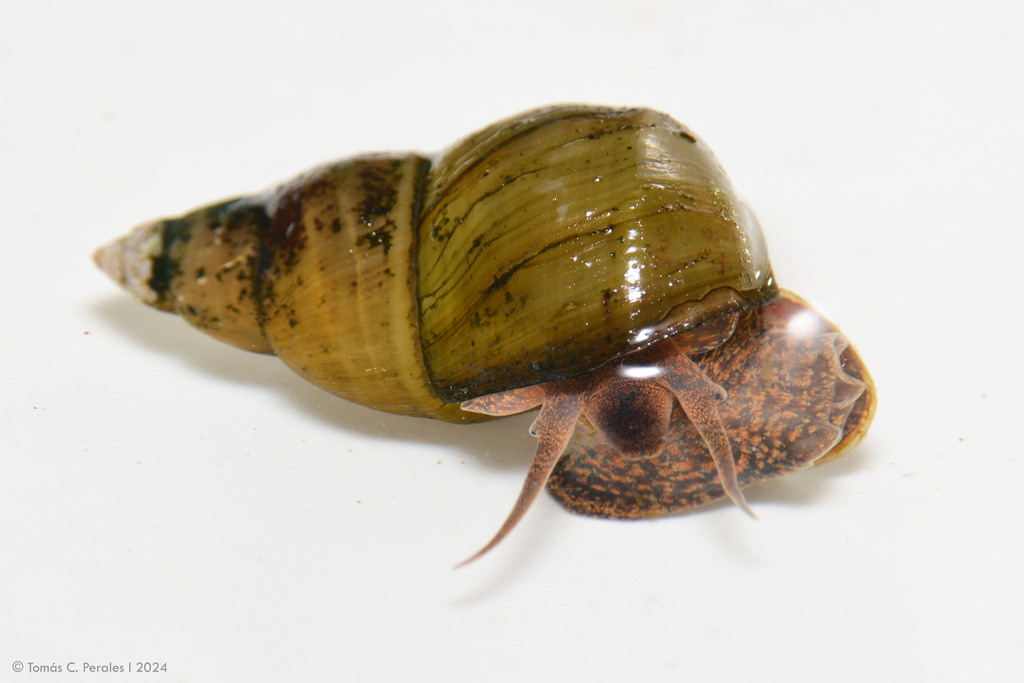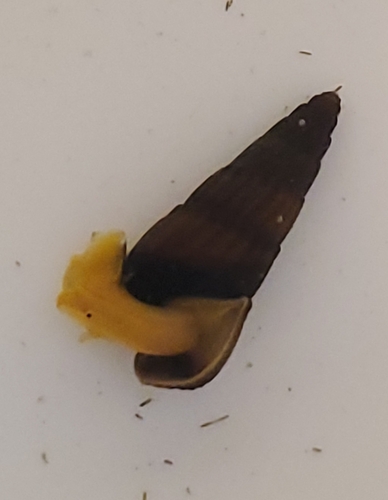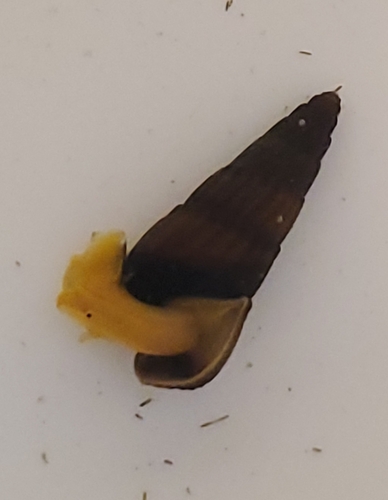
White Spotted Rabbit Snail (Black Horn)
Tylomelania towutensis
In Stock
Common stock
Wild Caught
Moderate care
Not Reef Safe
SKU: 01-D-01-059-04
Discover the unique beauty of the White Spotted Rabbit Snail, a captivating freshwater invertebrate.
Pricing for Verified Importers
Log in to see wholesale prices and order.
Export Size
up to 10.0 cm
Origin
Southeast Asia
Temperature
22.0–28.0°C
Min. Tank Size
50 L
pH
7.00–8.00
Diet
herbivore
The White Spotted Rabbit Snail (Tylomelania towutensis) is a striking freshwater snail native to the waters of Indonesia. Known for its distinctive black horn and white spots, this species stands out in any aquarium setting. With a shell that exhibits a unique spiral shape and intricate patterns, it not only adds aesthetic appeal but also serves as a fascinating subject for observation. It belongs to the family Pachychilidae and is characterized by its operculum, which helps protect its soft body when retracted into the shell.
Inhabiting the slow-moving rivers and streams of the Indonesian islands, Tylomelania towutensis thrives in warm, freshwater environments rich in plant life. These snails are often found amongst aquatic vegetation, where they feed on decaying leaves and algae. Their natural habitat provides a diverse ecosystem that supports their feeding and breeding behaviors. This species is known to be both hardy and resilient, making it a suitable choice for freshwater aquariums.
Behaviorally, the White Spotted Rabbit Snail is generally peaceful and can coexist with a variety of tank mates. They are primarily nocturnal, becoming more active during the evening hours. This behavior allows them to forage for food while minimizing competition with more aggressive species. Their slow movement and gentle nature make them a great addition to community tanks, especially those designed to mimic their natural habitats.
Overall, Tylomelania towutensis is not only a visually appealing addition to aquariums but also plays a vital role in maintaining the health of the aquatic ecosystem by helping to control algae growth and breaking down organic matter. Their unique characteristics and ecological benefits make them a valuable species for both hobbyists and commercial aquarists.
Inhabiting the slow-moving rivers and streams of the Indonesian islands, Tylomelania towutensis thrives in warm, freshwater environments rich in plant life. These snails are often found amongst aquatic vegetation, where they feed on decaying leaves and algae. Their natural habitat provides a diverse ecosystem that supports their feeding and breeding behaviors. This species is known to be both hardy and resilient, making it a suitable choice for freshwater aquariums.
Behaviorally, the White Spotted Rabbit Snail is generally peaceful and can coexist with a variety of tank mates. They are primarily nocturnal, becoming more active during the evening hours. This behavior allows them to forage for food while minimizing competition with more aggressive species. Their slow movement and gentle nature make them a great addition to community tanks, especially those designed to mimic their natural habitats.
Overall, Tylomelania towutensis is not only a visually appealing addition to aquariums but also plays a vital role in maintaining the health of the aquatic ecosystem by helping to control algae growth and breaking down organic matter. Their unique characteristics and ecological benefits make them a valuable species for both hobbyists and commercial aquarists.
For optimal care of the White Spotted Rabbit Snail, maintain water parameters that mirror their natural habitat. Ideal temperature ranges from 24°C to 28°C, with a pH level between 7.0 and 8.0. Regular water changes and adequate filtration are crucial to keep the environment stable and healthy.
Feeding these snails is relatively straightforward; they thrive on a diet of algae, decaying plant matter, and high-quality sinking pellets. Offering blanched vegetables like zucchini or spinach can also enrich their diet. Ensure that food is available for them to graze on, as they prefer to feed at their own pace.
Compatibility is key when selecting tank mates. The White Spotted Rabbit Snail generally coexists peacefully with other peaceful species. Avoid aggressive fish that may harm them due to their slow movement. Acclimation should be done slowly to minimize stress; floating the bag in the tank and gradually introducing tank water can help ease the transition.
Quarantine new snails for at least two weeks before introducing them to the main tank to prevent the spread of any potential diseases. This practice helps ensure a healthy and thriving aquatic environment for all inhabitants.
Feeding these snails is relatively straightforward; they thrive on a diet of algae, decaying plant matter, and high-quality sinking pellets. Offering blanched vegetables like zucchini or spinach can also enrich their diet. Ensure that food is available for them to graze on, as they prefer to feed at their own pace.
Compatibility is key when selecting tank mates. The White Spotted Rabbit Snail generally coexists peacefully with other peaceful species. Avoid aggressive fish that may harm them due to their slow movement. Acclimation should be done slowly to minimize stress; floating the bag in the tank and gradually introducing tank water can help ease the transition.
Quarantine new snails for at least two weeks before introducing them to the main tank to prevent the spread of any potential diseases. This practice helps ensure a healthy and thriving aquatic environment for all inhabitants.
The White Spotted Rabbit Snail is suitable for shipping due to its hardy nature. When packing, a density of 10-15 snails per liter is recommended to ensure adequate space and oxygen during transit. Maintain a stable temperature between 22°C and 26°C to minimize stress. Currently, there are no CITES restrictions on this species, allowing for straightforward export.
Species Parameters
Max Adult Size
10.0 cm
Origin
Southeast Asia
Diet
herbivore
Temp Min
22.0 °C
Temp Max
28.0 °C
pH Min
7.00
pH Max
8.00
Min Tank
50 L