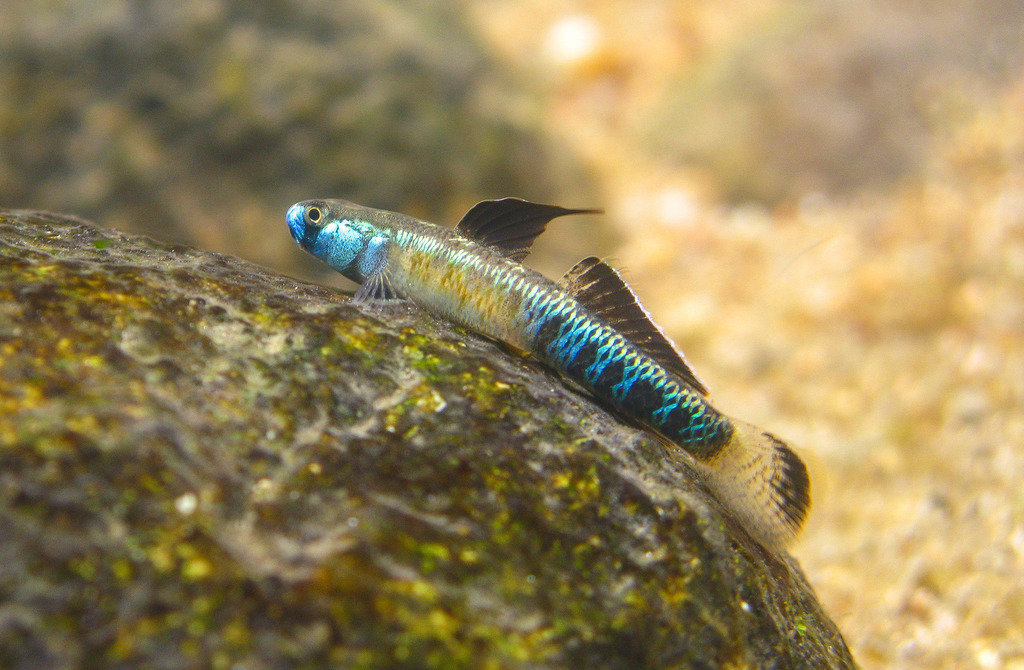
Bee Gobies
Stiphodon sp
Out of Stock
Scarce stock
Wild Caught
Moderate care
Not Reef Safe
SKU: 01-A-32-051-19
Discover the vibrant Bee Gobies, a captivating addition to any freshwater aquarium.
Pricing for Verified Importers
Log in to see wholesale prices and order.
Export Size
up to 6.0 cm
Origin
Southeast Asia
Temperature
22.0–28.0°C
Min. Tank Size
50 L
pH
6.50–7.50
Diet
omnivore
Bee Gobies, scientifically known as Stiphodon sp., are small, colorful freshwater fish native to Southeast Asia. These charming gobies are characterized by their striking patterns and vibrant hues, making them a favorite among aquarium enthusiasts. Typically found in fast-flowing streams and rivers, Bee Gobies thrive in clean, well-oxygenated water, often hiding among rocks and substrate where they can forage for food and seek refuge from potential predators.
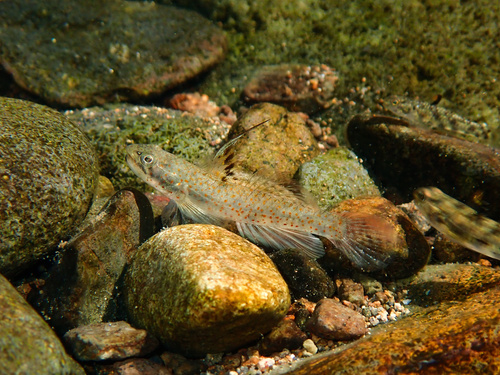
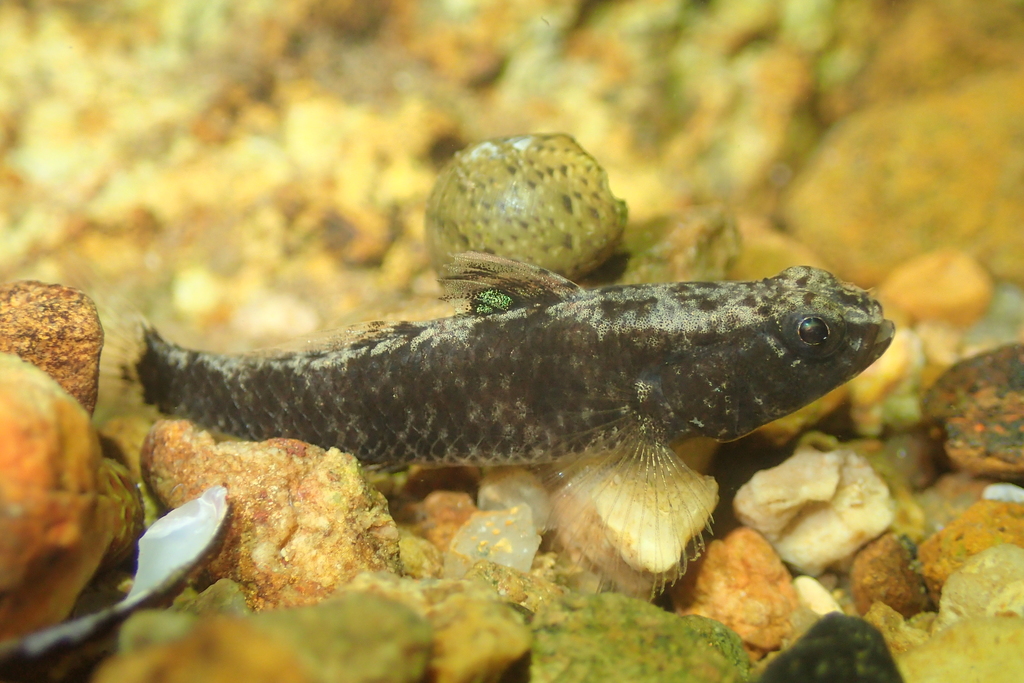
In terms of appearance, Bee Gobies exhibit a diverse range of colors, including yellows, blues, and greens, often with intricate markings. Adult individuals usually reach a maximum size of around 4 to 6 cm, making them an excellent choice for smaller aquariums. Their slender bodies and large eyes contribute to their unique charm, while their playful behavior adds life to any aquatic setting. Bee Gobies are also known for their ability to jump, requiring secure tank lids to prevent escapes.
Behaviorally, Bee Gobies are generally peaceful but can be territorial, especially during breeding seasons. Males often display vibrant colors and engage in courtship displays to attract females. In their natural habitat, they feed primarily on small invertebrates, algae, and organic detritus, showcasing their adaptability and diverse diet. Their social nature encourages them to thrive in groups, making them a delightful spectacle in a community tank.
Habitat-wise, Bee Gobies prefer shallow waters with sandy or gravel substrates and plenty of hiding spots. They are often found in areas with moderate to high water flow, which supports their active lifestyle. Maintaining a proper environment that mimics their natural habitat will ensure the health and well-being of these enchanting fish in an aquarium setting.
In terms of appearance, Bee Gobies exhibit a diverse range of colors, including yellows, blues, and greens, often with intricate markings. Adult individuals usually reach a maximum size of around 4 to 6 cm, making them an excellent choice for smaller aquariums. Their slender bodies and large eyes contribute to their unique charm, while their playful behavior adds life to any aquatic setting. Bee Gobies are also known for their ability to jump, requiring secure tank lids to prevent escapes.
Behaviorally, Bee Gobies are generally peaceful but can be territorial, especially during breeding seasons. Males often display vibrant colors and engage in courtship displays to attract females. In their natural habitat, they feed primarily on small invertebrates, algae, and organic detritus, showcasing their adaptability and diverse diet. Their social nature encourages them to thrive in groups, making them a delightful spectacle in a community tank.
Habitat-wise, Bee Gobies prefer shallow waters with sandy or gravel substrates and plenty of hiding spots. They are often found in areas with moderate to high water flow, which supports their active lifestyle. Maintaining a proper environment that mimics their natural habitat will ensure the health and well-being of these enchanting fish in an aquarium setting.
To successfully care for Bee Gobies, importers and retailers should focus on replicating their natural habitat as closely as possible. Ideal water parameters include a temperature range of 22-28°C and a pH level between 6.5 and 7.5. As a freshwater species, they do not require salinity levels, making them suitable for standard freshwater setups. It’s crucial to use a good filtration system to maintain water quality, as Bee Gobies thrive in well-oxygenated environments.
Feeding Bee Gobies is relatively straightforward; they can be offered a varied diet that includes high-quality flake foods, frozen or live foods such as brine shrimp, and finely chopped vegetables. This variety ensures they receive essential nutrients for optimal health and coloration. Compatibility-wise, Bee Gobies do well with other peaceful species, but caution should be exercised in community tanks to prevent territorial disputes.
Acclimation is key when introducing Bee Gobies to a new environment. A slow acclimation process over several hours is recommended to prevent stress and ensure a smooth transition. Additionally, a quarantine period of at least two weeks is advisable to monitor for any signs of illness before introducing them to the main tank.
Feeding Bee Gobies is relatively straightforward; they can be offered a varied diet that includes high-quality flake foods, frozen or live foods such as brine shrimp, and finely chopped vegetables. This variety ensures they receive essential nutrients for optimal health and coloration. Compatibility-wise, Bee Gobies do well with other peaceful species, but caution should be exercised in community tanks to prevent territorial disputes.
Acclimation is key when introducing Bee Gobies to a new environment. A slow acclimation process over several hours is recommended to prevent stress and ensure a smooth transition. Additionally, a quarantine period of at least two weeks is advisable to monitor for any signs of illness before introducing them to the main tank.
Bee Gobies are generally suitable for shipping, but it’s essential to ensure proper packing to minimize stress. They should be packed in breathable bags with adequate water volume to maintain oxygen levels. Maintaining a stable temperature during transit is critical, ideally between 22-25°C. Due to their small size, a packing density of 2-3 fish per liter is recommended. As of now, Bee Gobies do not have any CITES restrictions, making them easier to export.
Species Parameters
Max Adult Size
6.0 cm
Origin
Southeast Asia
Diet
omnivore
Temp Min
22.0 °C
Temp Max
28.0 °C
pH Min
6.50
pH Max
7.50
Min Tank
50 L