Palauan Riffle Goby
Stiphodon pelewensis
In Stock
Common stock
Wild Caught
Moderate care
Not Reef Safe
SKU: 01-A-32-029-15
Discover the vibrant Palauan Riffle Goby, a stunning freshwater species native to the Coral Triangle.
Pricing for Verified Importers
Log in to see wholesale prices and order.
Export Size
up to 6.0 cm
Origin
Coral Triangle
Temperature
22.0–28.0°C
Min. Tank Size
100 L
pH
6.50–7.50
Diet
omnivore
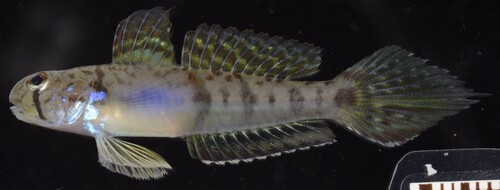
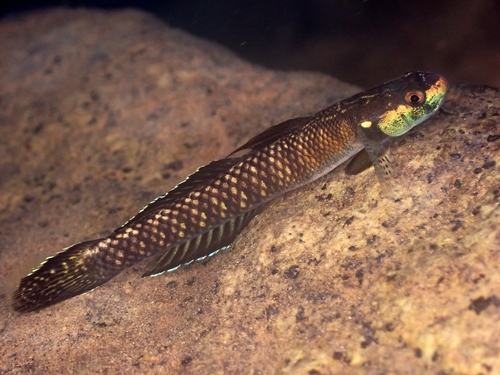
The Palauan Riffle Goby (Stiphodon pelewensis) is a captivating freshwater fish found predominantly in the streams and rivers of Palau, making it part of the unique biodiversity of the Coral Triangle. This small goby is known for its striking coloration, typically showcasing a blend of blues, greens, and yellows that allows it to blend seamlessly with its rocky habitat. The males display particularly vivid hues during breeding seasons, making them a visual highlight in any aquarium setting.
In terms of behavior, the Palauan Riffle Goby is a benthic species, often seen darting between rocks and pebbles in fast-moving waters. They are known for their strong territorial instincts, especially during the breeding season when males establish dominance over specific areas. These fish are highly social and can often be seen in small groups, which adds to their charm in an aquarium environment. Their active nature makes them a delightful addition for aquarists looking to create a dynamic underwater landscape.
Habitat-wise, Palauan Riffle Gobies thrive in clear, well-oxygenated waters with a substrate of clean gravel and stones. They prefer areas with moderate to strong water flow, which is essential for their feeding habits. In the wild, they primarily feed on microorganisms and detritus found in the substrate, which they sift through using their specialized mouths. This natural feeding behavior can be replicated in captivity, making them an engaging species to observe.
Overall, the Palauan Riffle Goby is not only visually appealing but also offers fascinating insights into the ecology of freshwater ecosystems. Their presence in an aquarium serves as a reminder of the delicate balance of aquatic life, making them a species worth considering for importers and wholesalers alike.
In terms of behavior, the Palauan Riffle Goby is a benthic species, often seen darting between rocks and pebbles in fast-moving waters. They are known for their strong territorial instincts, especially during the breeding season when males establish dominance over specific areas. These fish are highly social and can often be seen in small groups, which adds to their charm in an aquarium environment. Their active nature makes them a delightful addition for aquarists looking to create a dynamic underwater landscape.
Habitat-wise, Palauan Riffle Gobies thrive in clear, well-oxygenated waters with a substrate of clean gravel and stones. They prefer areas with moderate to strong water flow, which is essential for their feeding habits. In the wild, they primarily feed on microorganisms and detritus found in the substrate, which they sift through using their specialized mouths. This natural feeding behavior can be replicated in captivity, making them an engaging species to observe.
Overall, the Palauan Riffle Goby is not only visually appealing but also offers fascinating insights into the ecology of freshwater ecosystems. Their presence in an aquarium serves as a reminder of the delicate balance of aquatic life, making them a species worth considering for importers and wholesalers alike.
To successfully care for Palauan Riffle Gobies, maintaining optimal water parameters is crucial. The ideal temperature range is between 22°C to 28°C, with a pH level between 6.5 to 7.5. As a freshwater species, they do not require salinity adjustments, allowing for straightforward tank setups. A minimum tank size of 100 liters is recommended to provide sufficient space for these active swimmers and to maintain stable water conditions.
Feeding these gobies is relatively simple; they thrive on a varied diet that includes high-quality flake food, live or frozen foods such as brine shrimp and bloodworms, and vegetable matter. Offering a mix of these food types will ensure they receive a balanced diet. Compatibility is generally good with other peaceful freshwater species, but caution should be exercised with larger or aggressive fish that may intimidate them.
Acclimation is key when introducing them to a new environment. A slow drip acclimation method is recommended to reduce stress. Following acclimation, it is advisable to quarantine new arrivals for at least two weeks to monitor for any signs of disease before adding them to the main aquarium. Regular water changes and tank maintenance will help ensure a healthy environment for these beautiful gobies.
Feeding these gobies is relatively simple; they thrive on a varied diet that includes high-quality flake food, live or frozen foods such as brine shrimp and bloodworms, and vegetable matter. Offering a mix of these food types will ensure they receive a balanced diet. Compatibility is generally good with other peaceful freshwater species, but caution should be exercised with larger or aggressive fish that may intimidate them.
Acclimation is key when introducing them to a new environment. A slow drip acclimation method is recommended to reduce stress. Following acclimation, it is advisable to quarantine new arrivals for at least two weeks to monitor for any signs of disease before adding them to the main aquarium. Regular water changes and tank maintenance will help ensure a healthy environment for these beautiful gobies.
Palauan Riffle Gobies are suitable for shipping due to their hardiness; however, maintaining stable temperatures during transit is essential. Packing density should be moderate to allow for adequate oxygen exchange. It is recommended to ship them at temperatures between 22°C and 26°C to minimize stress. Currently, they are not listed under CITES, which simplifies export regulations, but compliance with local laws is still essential.
Species Parameters
Max Adult Size
6.0 cm
Origin
Coral Triangle
Diet
omnivore
Temp Min
22.0 °C
Temp Max
28.0 °C
pH Min
6.50
pH Max
7.50
Min Tank
100 L