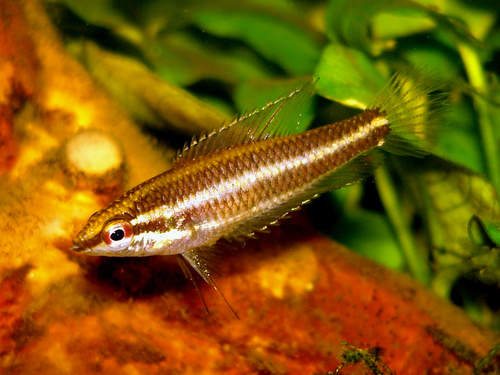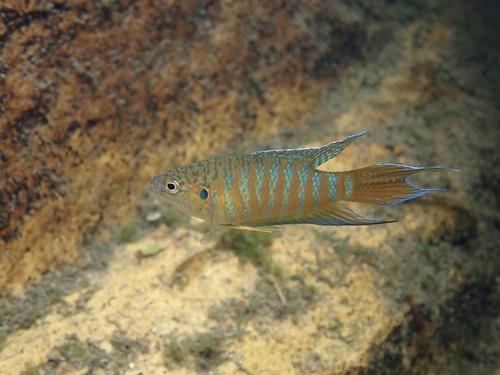
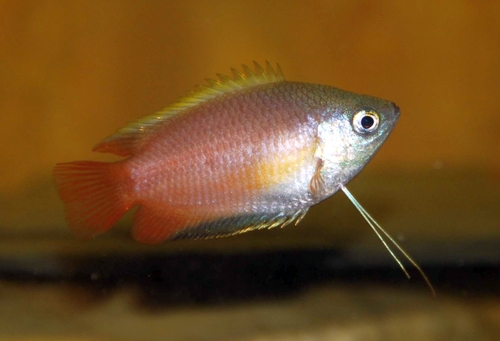
Gourami Honey Red
Trichogaster chuna
In Stock
Common stock
Wild Caught
Moderate care
Not Reef Safe
SKU: 01-A-26-046-06
The Gourami Honey Red is a vibrant and peaceful freshwater fish, ideal for community aquariums.
Pricing for Verified Importers
Log in to see wholesale prices and order.
Export Size
up to 7.0 cm
Origin
Southeast Asia
Temperature
24.0–28.0°C
Min. Tank Size
40 L
pH
6.00–7.50
Diet
omnivore
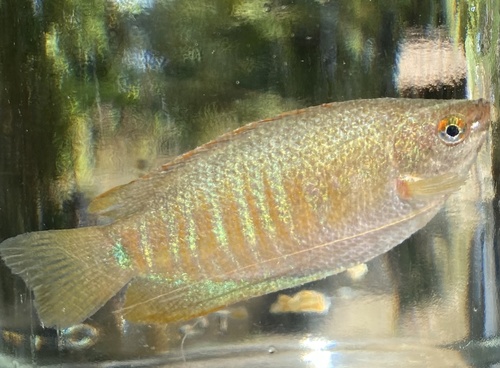
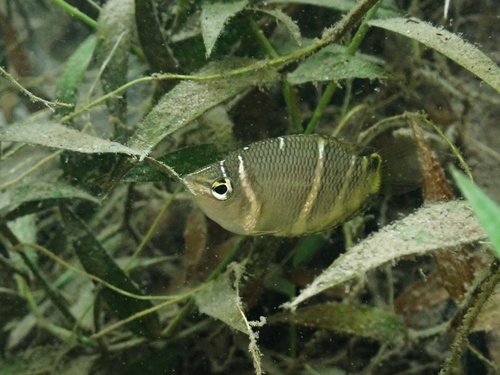
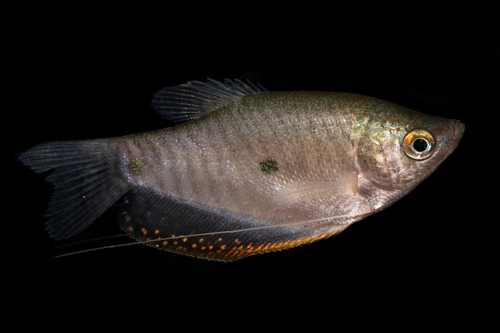
Gourami Honey Red (Trichogaster chuna) is a popular freshwater fish native to Southeast Asia, particularly found in the slow-moving waters of streams, ponds, and rice paddies in India and Bangladesh. Known for its stunning coloration, this species exhibits a striking orange-red hue with subtle iridescent highlights, making it a visually captivating addition to any aquarium. They possess a laterally compressed body and elongated dorsal fin, which contribute to their graceful swimming style and aesthetic appeal.
In terms of behavior, the Gourami Honey Red is generally a peaceful species, often regarded as ideal for community tanks. They tend to thrive in small groups, displaying interesting social interactions amongst themselves. Males are often more vibrant and territorial, especially during breeding seasons. Their natural instinct to explore their environment makes them an engaging species to observe, as they often investigate plants and decorations in their habitat.
In the wild, Gourami Honey Reds inhabit dense vegetative areas that provide cover and breeding sites. They prefer warm, slightly acidic to neutral waters, often with plenty of floating plants and submerged structures. This natural habitat influences their care requirements in captivity, as they thrive in environments that replicate these conditions. Maintaining a well-planted aquarium not only mimics their native habitat but also offers them a sense of security, which is crucial for their overall well-being.
Due to their striking appearance and sociable nature, Gourami Honey Reds have become a favorite among aquarists. Their ability to adapt to various water conditions, along with their peaceful demeanor, makes them suitable for both novice and experienced hobbyists alike. With proper care, these fish can live for several years, bringing color and activity to any freshwater aquarium.
In terms of behavior, the Gourami Honey Red is generally a peaceful species, often regarded as ideal for community tanks. They tend to thrive in small groups, displaying interesting social interactions amongst themselves. Males are often more vibrant and territorial, especially during breeding seasons. Their natural instinct to explore their environment makes them an engaging species to observe, as they often investigate plants and decorations in their habitat.
In the wild, Gourami Honey Reds inhabit dense vegetative areas that provide cover and breeding sites. They prefer warm, slightly acidic to neutral waters, often with plenty of floating plants and submerged structures. This natural habitat influences their care requirements in captivity, as they thrive in environments that replicate these conditions. Maintaining a well-planted aquarium not only mimics their native habitat but also offers them a sense of security, which is crucial for their overall well-being.
Due to their striking appearance and sociable nature, Gourami Honey Reds have become a favorite among aquarists. Their ability to adapt to various water conditions, along with their peaceful demeanor, makes them suitable for both novice and experienced hobbyists alike. With proper care, these fish can live for several years, bringing color and activity to any freshwater aquarium.
To ensure the health and well-being of Gourami Honey Reds, maintaining optimal water parameters is crucial. They thrive in temperatures ranging from 24°C to 28°C, with a pH level between 6.0 and 7.5. A minimum tank size of 40 liters is recommended to provide ample space for swimming and hiding, along with a well-planted environment.
Feeding Gourami Honey Reds is relatively straightforward, as they are omnivores. A varied diet that includes high-quality flake food, pellets, and occasional treats like frozen or live foods will help maintain their health. It is essential to feed them small amounts several times a day rather than one large feeding to prevent overfeeding and water quality issues.
In terms of compatibility, Gourami Honey Reds are peaceful and can be kept with a variety of community fish. However, caution should be exercised when housing them with more aggressive species. Acclimation is important; introduce them slowly to their new environment to reduce stress. Quarantine new arrivals for at least two weeks to prevent the introduction of diseases into your main tank, ensuring they are healthy and free from parasites before adding them to the community.
Feeding Gourami Honey Reds is relatively straightforward, as they are omnivores. A varied diet that includes high-quality flake food, pellets, and occasional treats like frozen or live foods will help maintain their health. It is essential to feed them small amounts several times a day rather than one large feeding to prevent overfeeding and water quality issues.
In terms of compatibility, Gourami Honey Reds are peaceful and can be kept with a variety of community fish. However, caution should be exercised when housing them with more aggressive species. Acclimation is important; introduce them slowly to their new environment to reduce stress. Quarantine new arrivals for at least two weeks to prevent the introduction of diseases into your main tank, ensuring they are healthy and free from parasites before adding them to the community.
Gourami Honey Reds are suitable for shipping due to their hardiness, but care should be taken to ensure proper packing to minimize stress. A density of 1 fish per liter is recommended during transport. Ideal shipping temperatures should be maintained between 24°C and 28°C to avoid temperature shock. They are not listed under CITES, simplifying export regulations.
Species Parameters
Max Adult Size
7.0 cm
Origin
Southeast Asia
Diet
omnivore
Temp Min
24.0 °C
Temp Max
28.0 °C
pH Min
6.00
pH Max
7.50
Min Tank
40 L