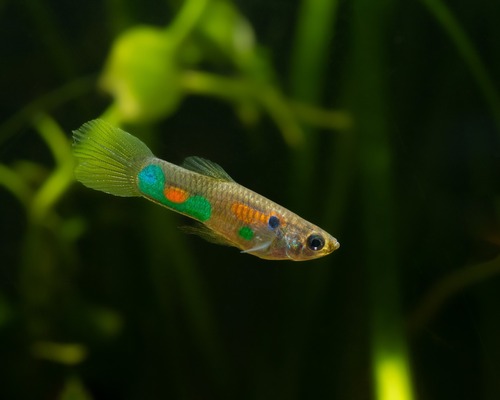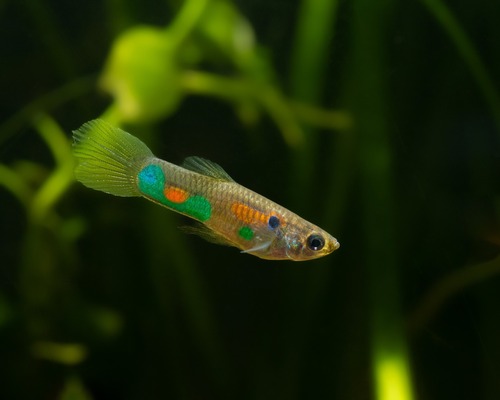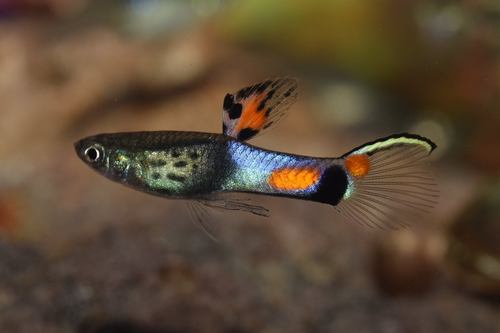
Blue Japan Double Swordtail Guppy Male
Poecilia wingei
Out of Stock
Scarce stock
Wild Caught
Easy care
Not Reef Safe
SKU: 01-A-21-177-04
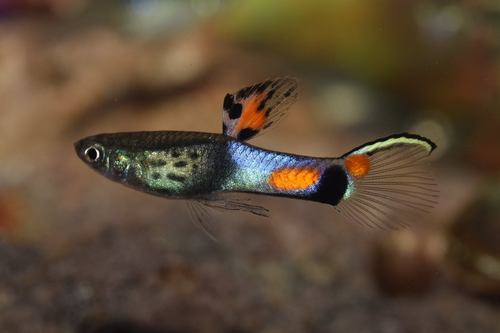
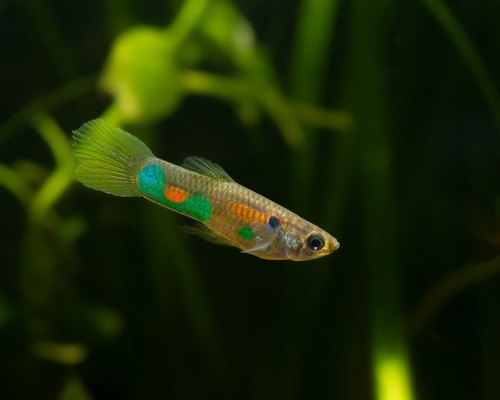
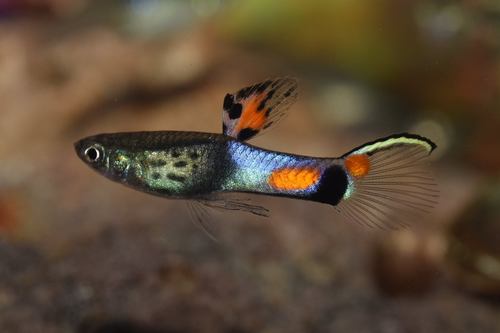
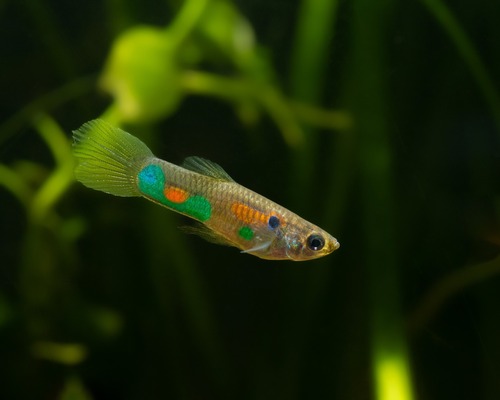
The Blue Japan Double Swordtail Guppy Male is a vibrant addition to any aquarium, renowned for its striking coloration and energetic behavior.
Pricing for Verified Importers
Log in to see wholesale prices and order.
Export Size
up to 4.0 cm
Origin
South America
Temperature
22.0–28.0°C
Min. Tank Size
40 L
pH
6.50–7.50
Diet
omnivore
The Blue Japan Double Swordtail Guppy Male (Poecilia wingei) is a captivating freshwater fish known for its vibrant blue coloration and distinctive sword-like tail fins. Native to the Paria Peninsula in Venezuela, this species has become popular among aquarists due to its striking beauty and lively nature. Often referred to as Endler's livebearer, it thrives in small, densely planted aquariums where it can showcase its natural behaviors. These guppies are not only visually appealing but also exhibit a playful demeanor, making them a favorite among both novice and experienced aquarists.
In terms of appearance, the Blue Japan Double Swordtail features a bold blue hue that glistens under aquarium lighting, complemented by its characteristic elongated tail fins. Males are particularly noted for their colorful patterns, which can vary significantly among individuals due to their propensity for hybridization with other guppy species. This feature enhances their appeal in the aquarium trade, as each fish can possess a unique combination of colors and patterns.
Behaviorally, these guppies are social creatures that thrive in groups. They exhibit a range of interactions, from playful chasing to establishing hierarchies within their shoals. Their active swimming style and inquisitive nature make them entertaining to observe. In their natural habitat, they inhabit shallow waters with dense vegetation, providing ample cover from predators and allowing them to forage for small food items.
Overall, the Blue Japan Double Swordtail Guppy Male is not only an aesthetically pleasing species but also plays a vital role in freshwater ecosystems. Their prolific breeding habits make them a sustainable choice for aquarists, ensuring a steady supply of vibrant specimens for the aquarium trade while promoting biodiversity in captive environments.
In terms of appearance, the Blue Japan Double Swordtail features a bold blue hue that glistens under aquarium lighting, complemented by its characteristic elongated tail fins. Males are particularly noted for their colorful patterns, which can vary significantly among individuals due to their propensity for hybridization with other guppy species. This feature enhances their appeal in the aquarium trade, as each fish can possess a unique combination of colors and patterns.
Behaviorally, these guppies are social creatures that thrive in groups. They exhibit a range of interactions, from playful chasing to establishing hierarchies within their shoals. Their active swimming style and inquisitive nature make them entertaining to observe. In their natural habitat, they inhabit shallow waters with dense vegetation, providing ample cover from predators and allowing them to forage for small food items.
Overall, the Blue Japan Double Swordtail Guppy Male is not only an aesthetically pleasing species but also plays a vital role in freshwater ecosystems. Their prolific breeding habits make them a sustainable choice for aquarists, ensuring a steady supply of vibrant specimens for the aquarium trade while promoting biodiversity in captive environments.
To successfully care for the Blue Japan Double Swordtail Guppy Male, it is crucial to maintain specific water parameters. Ideal conditions include a temperature range of 24-28°C, a pH level between 6.5 and 7.5, and soft to moderately hard water. Regular water changes are essential to maintain optimal water quality, as these fish thrive in clean environments. Additionally, providing a well-planted tank with hiding spots will help reduce stress and encourage natural behaviors.
Feeding these guppies is relatively simple, as they are omnivorous and will accept a variety of foods. A balanced diet should include high-quality flake food, frozen or live foods such as brine shrimp and daphnia, and occasional plant matter. It's important to feed small amounts multiple times a day to ensure they receive adequate nutrition without overfeeding.
When introducing new guppies to an established tank, proper acclimation is essential. Gradually introduce them to the new environment over a period of a few hours, allowing them to adjust to the water temperature and conditions. These fish are generally compatible with other peaceful species, making them a great addition to community tanks. However, avoid keeping them with aggressive or territorial fish that may stress or harm them.
Quarantine new arrivals for at least two weeks to monitor for any signs of disease before introducing them to the main tank. This practice helps prevent potential outbreaks and ensures a healthier aquarium environment.
Feeding these guppies is relatively simple, as they are omnivorous and will accept a variety of foods. A balanced diet should include high-quality flake food, frozen or live foods such as brine shrimp and daphnia, and occasional plant matter. It's important to feed small amounts multiple times a day to ensure they receive adequate nutrition without overfeeding.
When introducing new guppies to an established tank, proper acclimation is essential. Gradually introduce them to the new environment over a period of a few hours, allowing them to adjust to the water temperature and conditions. These fish are generally compatible with other peaceful species, making them a great addition to community tanks. However, avoid keeping them with aggressive or territorial fish that may stress or harm them.
Quarantine new arrivals for at least two weeks to monitor for any signs of disease before introducing them to the main tank. This practice helps prevent potential outbreaks and ensures a healthier aquarium environment.
The Blue Japan Double Swordtail Guppy Male is well-suited for shipping due to its hardiness and adaptability. When packing for export, ensure that the fish are kept in suitable containers with sufficient oxygen and space to minimize stress. Maintaining a temperature range of 22-25°C during transit is crucial to their well-being. These guppies are not listed under CITES, making them easier to export. However, adherence to local and international regulations is essential for successful shipping.
Species Parameters
Max Adult Size
4.0 cm
Origin
South America
Diet
omnivore
Temp Min
22.0 °C
Temp Max
28.0 °C
pH Min
6.50
pH Max
7.50
Min Tank
40 L