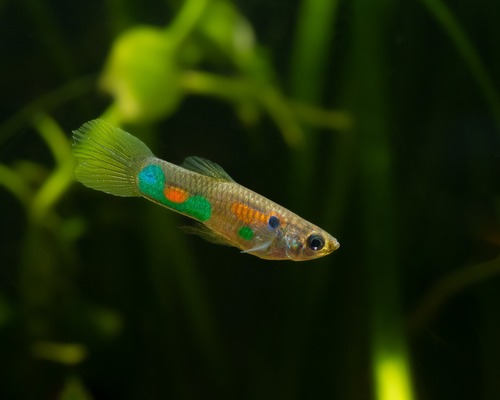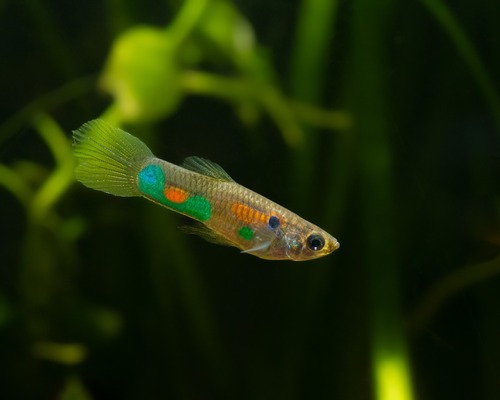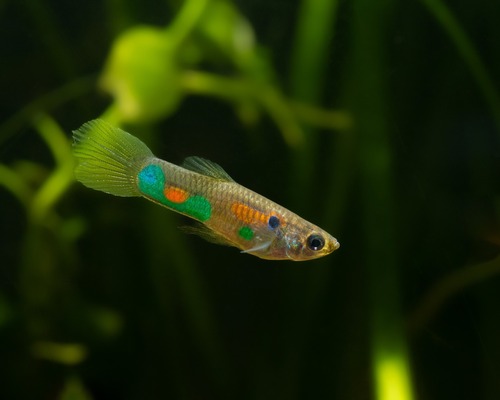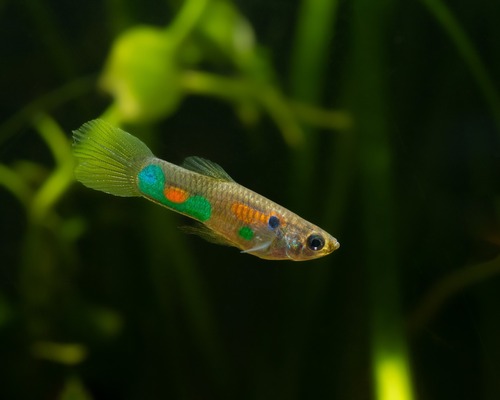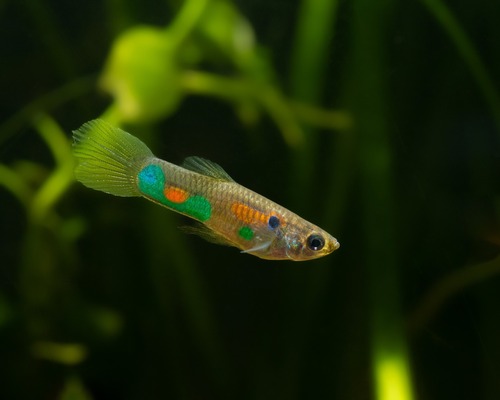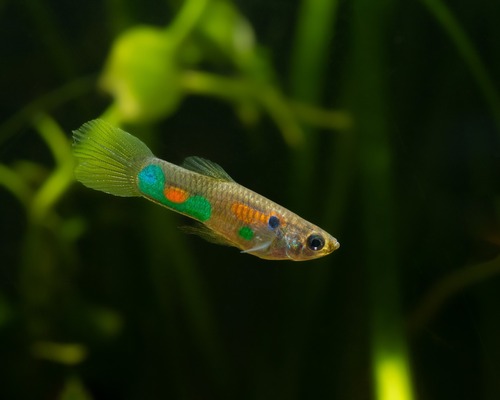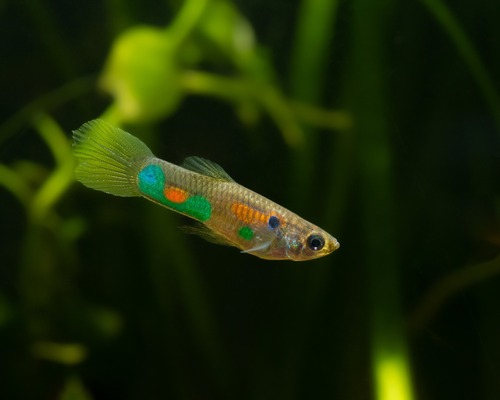
Grade A Albino Full Red Short Body Guppy Male
Poecilia reticulatus
In Stock
Common stock
Wild Caught
Easy care
Not Reef Safe
SKU: 01-A-21-284-04
Discover the vibrant Grade A Albino Full Red Short Body Guppy, a stunning freshwater jewel.
Pricing for Verified Importers
Log in to see wholesale prices and order.
Export Size
up to 4.0 cm
Origin
Southeast Asia
Temperature
24.0–28.0°C
Min. Tank Size
40 L
pH
6.80–7.80
Diet
omnivore
The Grade A Albino Full Red Short Body Guppy (Poecilia reticulatus) is a captivating freshwater fish renowned for its brilliant coloration and unique body shape. This strain exhibits a striking blend of full red coloration with an albino genetic trait, making it a favorite among aquarists looking to add vibrant aesthetics to their tanks. Their short body structure not only enhances their visual appeal but also makes them an interesting and playful addition to community aquariums.
In their natural habitat, guppies are native to the warm waters of the northeastern coast of South America, particularly in areas like Venezuela and Guyana. They thrive in shallow streams, rivers, and ponds rich in vegetation, where they find shelter and breeding grounds. Male guppies, such as the Grade A Albino Full Red, are known for their dynamic behaviors, often engaging in displays of courtship to attract females. Their social nature makes them a delight to observe as they interact with one another and their environment.
Behaviorally, these fish are lively and curious, making them ideal for community tanks with other peaceful species. They are also prolific breeders, contributing to their popularity in the aquarium trade. The guppy’s adaptability to various water conditions further enhances its appeal, allowing it to flourish in a range of aquarium settings, from well-planted tanks to open swimming spaces.
The Grade A Albino Full Red Short Body Guppy is not just a vibrant addition to any aquarium; it also plays a role in the aquatic ecosystem by serving as a food source for larger fish species and maintaining the ecological balance in their native habitats. Their stunning appearance and engaging behaviors make them a sought-after choice for both novice and experienced aquarists alike.
In their natural habitat, guppies are native to the warm waters of the northeastern coast of South America, particularly in areas like Venezuela and Guyana. They thrive in shallow streams, rivers, and ponds rich in vegetation, where they find shelter and breeding grounds. Male guppies, such as the Grade A Albino Full Red, are known for their dynamic behaviors, often engaging in displays of courtship to attract females. Their social nature makes them a delight to observe as they interact with one another and their environment.
Behaviorally, these fish are lively and curious, making them ideal for community tanks with other peaceful species. They are also prolific breeders, contributing to their popularity in the aquarium trade. The guppy’s adaptability to various water conditions further enhances its appeal, allowing it to flourish in a range of aquarium settings, from well-planted tanks to open swimming spaces.
The Grade A Albino Full Red Short Body Guppy is not just a vibrant addition to any aquarium; it also plays a role in the aquatic ecosystem by serving as a food source for larger fish species and maintaining the ecological balance in their native habitats. Their stunning appearance and engaging behaviors make them a sought-after choice for both novice and experienced aquarists alike.
To ensure the health and vitality of the Grade A Albino Full Red Short Body Guppy, maintaining optimal water conditions is crucial. Ideal water parameters include a temperature range of 24-28°C, a pH level between 6.8 and 7.8, and a soft to moderately hard water composition. Regular water changes of 25-30% weekly are recommended to maintain water quality and remove waste.
Feeding these guppies is relatively easy, as they are omnivorous and thrive on a varied diet. A combination of high-quality flake food, freeze-dried worms, and vegetable matter will keep them healthy and vibrant. It is important to feed them small amounts several times a day to prevent overfeeding and maintain water quality.
When introducing new guppies to an aquarium, a gradual acclimation process is essential. Float the sealed bag in the aquarium for about 15-20 minutes before releasing them into the tank to minimize temperature shock. Quarantine new arrivals for at least two weeks to monitor for any signs of illness before adding them to the main tank. This practice helps prevent the spread of diseases to existing fish.
In terms of compatibility, these guppies are peaceful and can coexist with a variety of other small, non-aggressive fish species. However, it is advisable to avoid pairing them with larger predators that may view them as food. Providing ample hiding spaces and plants will help reduce stress and create a comfortable environment for all inhabitants.
Feeding these guppies is relatively easy, as they are omnivorous and thrive on a varied diet. A combination of high-quality flake food, freeze-dried worms, and vegetable matter will keep them healthy and vibrant. It is important to feed them small amounts several times a day to prevent overfeeding and maintain water quality.
When introducing new guppies to an aquarium, a gradual acclimation process is essential. Float the sealed bag in the aquarium for about 15-20 minutes before releasing them into the tank to minimize temperature shock. Quarantine new arrivals for at least two weeks to monitor for any signs of illness before adding them to the main tank. This practice helps prevent the spread of diseases to existing fish.
In terms of compatibility, these guppies are peaceful and can coexist with a variety of other small, non-aggressive fish species. However, it is advisable to avoid pairing them with larger predators that may view them as food. Providing ample hiding spaces and plants will help reduce stress and create a comfortable environment for all inhabitants.
The Grade A Albino Full Red Short Body Guppy is well-suited for shipping, provided that appropriate measures are taken. Packing density should be moderate to allow adequate movement and reduce stress during transit. It's crucial to maintain a stable temperature between 22-26°C during shipping to avoid temperature shock. No CITES restrictions apply to this species, ensuring smooth export processes.
Species Parameters
Max Adult Size
4.0 cm
Origin
Southeast Asia
Diet
omnivore
Temp Min
24.0 °C
Temp Max
28.0 °C
pH Min
6.80
pH Max
7.80
Min Tank
40 L