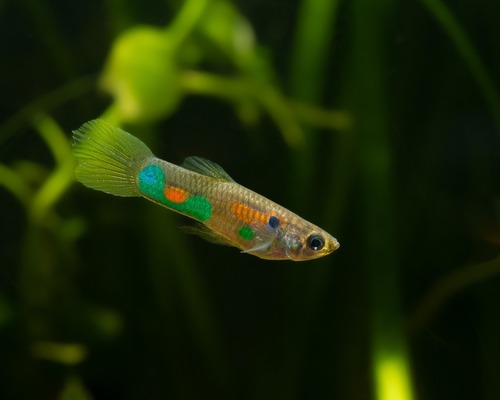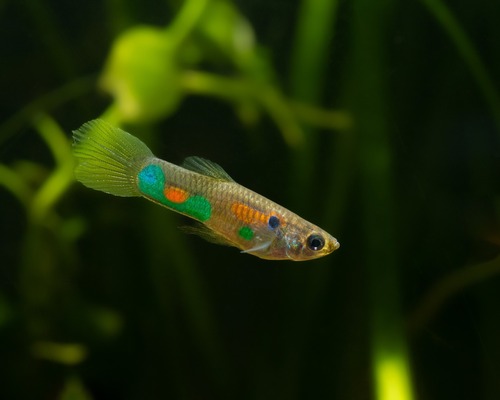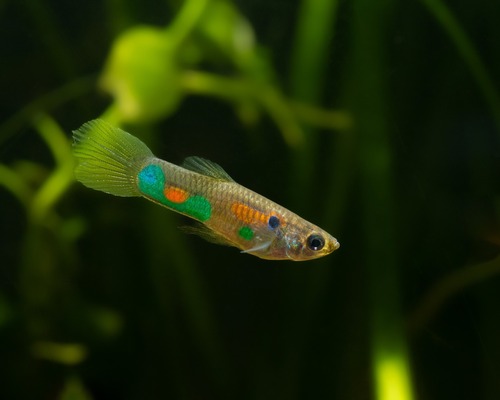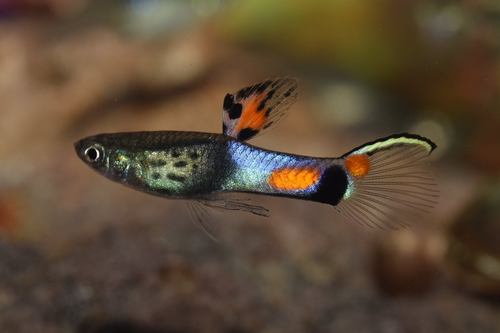
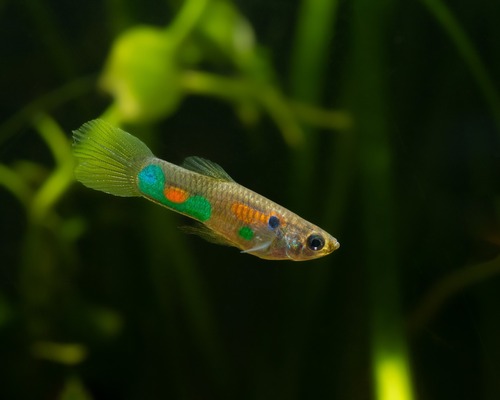
Grade A Blue Moscow Guppy Male
Poecilia reticulatus
In Stock
Common stock
Wild Caught
Easy care
Not Reef Safe
SKU: 01-A-21-290-04
Discover the stunning Grade A Blue Moscow Guppy Male, a vibrant and captivating freshwater fish.
Pricing for Verified Importers
Log in to see wholesale prices and order.
Export Size
up to 5.0 cm
Origin
Southeast Asia
Temperature
24.0–28.0°C
Min. Tank Size
40 L
pH
6.50–7.50
Diet
omnivore
The Grade A Blue Moscow Guppy Male (Poecilia reticulatus) is renowned for its striking blue coloration and elegant fin structure, making it a popular choice among aquarists and enthusiasts. This species is a part of the Poecilia genus, which is known for its adaptability and vibrant color variations. The Blue Moscow Guppy exhibits a unique solid blue hue, which is a result of selective breeding practices that have enhanced its natural beauty. This guppy not only adds a splash of color to freshwater aquariums but also brings a lively personality that can enliven any tank environment.
In terms of natural history, guppies are native to the freshwater streams and rivers of South America and the Caribbean. They thrive in warm, shallow waters with plenty of vegetation, which provides shelter and breeding grounds. The Grade A Blue Moscow Guppy is particularly favored in the aquarium trade for its hardiness and ease of care, making it an excellent choice for both novice and experienced hobbyists. Their peaceful nature allows them to coexist harmoniously with a variety of other freshwater species, making them an ideal community fish.
Behaviorally, these guppies are known for their active swimming patterns and inquisitive demeanor. Males, like the Blue Moscow, often display vibrant colors to attract females and establish dominance within their territory. They are social creatures and thrive in groups, so it's recommended to keep them in schools of at least five to enhance their well-being and reduce stress. Their playful antics and lively movements provide endless entertainment for aquarium keepers.
The habitat preferences of the Grade A Blue Moscow Guppy include densely planted areas where they can seek refuge and spawn. They prefer water temperatures between 24°C and 28°C and slightly acidic to neutral pH levels, which mimic their natural environment. Their adaptability to various water conditions makes them suitable for a range of aquarium settings, enhancing their popularity in the aquatic trade.
In terms of natural history, guppies are native to the freshwater streams and rivers of South America and the Caribbean. They thrive in warm, shallow waters with plenty of vegetation, which provides shelter and breeding grounds. The Grade A Blue Moscow Guppy is particularly favored in the aquarium trade for its hardiness and ease of care, making it an excellent choice for both novice and experienced hobbyists. Their peaceful nature allows them to coexist harmoniously with a variety of other freshwater species, making them an ideal community fish.
Behaviorally, these guppies are known for their active swimming patterns and inquisitive demeanor. Males, like the Blue Moscow, often display vibrant colors to attract females and establish dominance within their territory. They are social creatures and thrive in groups, so it's recommended to keep them in schools of at least five to enhance their well-being and reduce stress. Their playful antics and lively movements provide endless entertainment for aquarium keepers.
The habitat preferences of the Grade A Blue Moscow Guppy include densely planted areas where they can seek refuge and spawn. They prefer water temperatures between 24°C and 28°C and slightly acidic to neutral pH levels, which mimic their natural environment. Their adaptability to various water conditions makes them suitable for a range of aquarium settings, enhancing their popularity in the aquatic trade.
To ensure the health and vitality of the Grade A Blue Moscow Guppy Male, maintain water parameters within the ideal ranges: temperature should be kept between 24°C and 28°C, with a pH level of 6.5 to 7.5. A minimum tank size of 40 liters is recommended to provide ample swimming space and reduce territorial disputes among males. This species is omnivorous; therefore, a varied diet of high-quality flake food, frozen or live foods like brine shrimp, and vegetable matter will promote optimal health and coloration.
When introducing new guppies to a community tank, gradual acclimation is crucial. Float the sealed bag in the aquarium for 15-20 minutes to equalize the temperature, and then slowly mix in tank water before releasing the fish. Quarantine new arrivals for at least two weeks to monitor for any signs of disease, which helps prevent potential outbreaks in your main tank.
The Grade A Blue Moscow Guppy is generally compatible with other peaceful freshwater species such as tetras, rasboras, and mollies. Avoid aggressive or larger fish that may prey on the smaller guppies. Keeping them in a well-planted aquarium also provides necessary hiding spots, reducing stress and enhancing their natural behaviors.
When introducing new guppies to a community tank, gradual acclimation is crucial. Float the sealed bag in the aquarium for 15-20 minutes to equalize the temperature, and then slowly mix in tank water before releasing the fish. Quarantine new arrivals for at least two weeks to monitor for any signs of disease, which helps prevent potential outbreaks in your main tank.
The Grade A Blue Moscow Guppy is generally compatible with other peaceful freshwater species such as tetras, rasboras, and mollies. Avoid aggressive or larger fish that may prey on the smaller guppies. Keeping them in a well-planted aquarium also provides necessary hiding spots, reducing stress and enhancing their natural behaviors.
The Grade A Blue Moscow Guppy Male is well-suited for shipping due to its hardiness. When packing, use breathable bags with ample oxygen and maintain a packing density of 1 fish per liter to ensure their comfort during transit. The ideal shipping temperature is between 24°C and 28°C, as they are sensitive to extreme temperature fluctuations. This species is not listed under CITES, simplifying export regulations.
Species Parameters
Max Adult Size
5.0 cm
Origin
Southeast Asia
Diet
omnivore
Temp Min
24.0 °C
Temp Max
28.0 °C
pH Min
6.50
pH Max
7.50
Min Tank
40 L