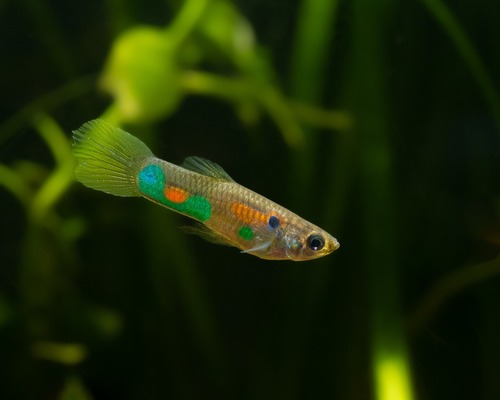
Guppy Dragon
Poecilia reticulatus.var
In Stock
Common stock
Wild Caught
Easy care
Not Reef Safe
SKU: 01-A-21-010-04
The Guppy Dragon is a vibrant and hardy freshwater fish, perfect for aquarists seeking beauty and resilience.
Pricing for Verified Importers
Log in to see wholesale prices and order.
Export Size
up to 5.0 cm
Origin
Southeast Asia
Temperature
22.0–28.0°C
Min. Tank Size
40 L
pH
6.50–7.50
Diet
omnivore
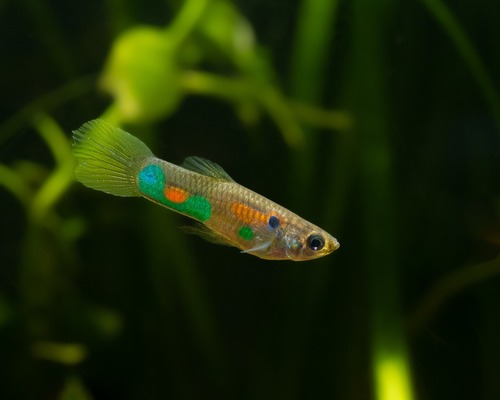
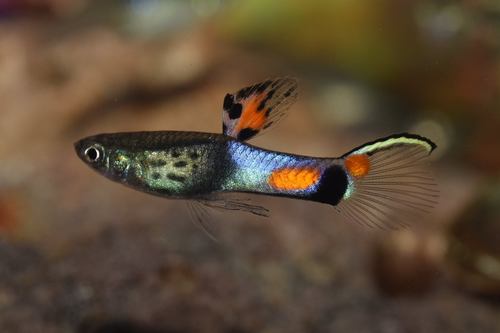
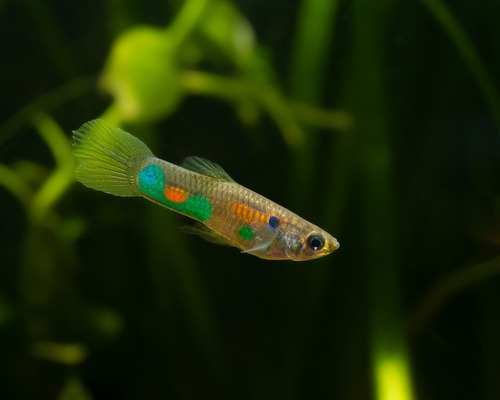
The Guppy Dragon (Poecilia reticulatus.var) is an eye-catching freshwater fish known for its stunning coloration and unique scale patterns that resemble dragon-like features. Originating from the tropical waters of Bali, Indonesia, this variety of guppy displays a wide range of vibrant colors, including deep blues, fiery reds, and lush greens, often with intricate patterns that enhance their visual appeal. Their small size and lively nature make them a favorite among both novice and experienced aquarists.
In terms of behavior, Guppy Dragons are social creatures that thrive in community tanks. They are known for their playful antics and curious nature, often swimming in schools and interacting with their environment. These fish are livebearers, meaning they give birth to live young rather than laying eggs, which adds an exciting dynamic to their breeding behavior in aquarium settings. Their peaceful temperament makes them compatible with a variety of other small fish and invertebrates, providing an engaging and colorful addition to any freshwater aquarium.
Guppy Dragons inhabit shallow waters in their native environment, typically found in slow-moving bodies of water such as streams, ponds, and marshes. They prefer densely planted areas that provide cover and breeding sites, as well as ample swimming space. This natural habitat influences their care needs in captivity, where they benefit from a well-planted aquarium that mimics their home environment, offering both shelter and open swimming areas.
Due to their adaptability, Guppy Dragons can thrive in a range of water conditions, making them suitable for a variety of aquarium setups. Their hardiness allows them to withstand fluctuations in water parameters, although stable conditions are always recommended for optimal health and vibrancy. Overall, the Guppy Dragon stands out not only for its beauty but also for its engaging behavior and ease of care, making it a perfect choice for aquarium enthusiasts.
In terms of behavior, Guppy Dragons are social creatures that thrive in community tanks. They are known for their playful antics and curious nature, often swimming in schools and interacting with their environment. These fish are livebearers, meaning they give birth to live young rather than laying eggs, which adds an exciting dynamic to their breeding behavior in aquarium settings. Their peaceful temperament makes them compatible with a variety of other small fish and invertebrates, providing an engaging and colorful addition to any freshwater aquarium.
Guppy Dragons inhabit shallow waters in their native environment, typically found in slow-moving bodies of water such as streams, ponds, and marshes. They prefer densely planted areas that provide cover and breeding sites, as well as ample swimming space. This natural habitat influences their care needs in captivity, where they benefit from a well-planted aquarium that mimics their home environment, offering both shelter and open swimming areas.
Due to their adaptability, Guppy Dragons can thrive in a range of water conditions, making them suitable for a variety of aquarium setups. Their hardiness allows them to withstand fluctuations in water parameters, although stable conditions are always recommended for optimal health and vibrancy. Overall, the Guppy Dragon stands out not only for its beauty but also for its engaging behavior and ease of care, making it a perfect choice for aquarium enthusiasts.
When caring for Guppy Dragons, maintaining stable water parameters is crucial. Ideal water temperature should range from 22°C to 28°C, with a pH level between 6.5 and 7.5. These fish prefer soft to moderately hard water, which mimics their natural habitat. Regular water changes and proper filtration will help keep the environment clean and healthy.
Feeding Guppy Dragons is straightforward, as they are omnivorous and will thrive on a varied diet. High-quality flake food, micro-pellets, and live or frozen foods such as daphnia, brine shrimp, and bloodworms will ensure they receive the necessary nutrients. It is advisable to feed them small amounts two to three times a day, allowing them to consume all food within a few minutes.
In terms of compatibility, Guppy Dragons are peaceful and can coexist with other small, non-aggressive fish species. However, care should be taken to avoid larger, predatory fish that may see them as food. Acclimating new arrivals is essential; use the drip acclimation method to gradually introduce them to the new water conditions, minimizing stress. Quarantine new stock for two weeks before introducing them to the main tank to prevent the spread of diseases.
Creating a well-planted aquarium with plenty of hiding spots will support their natural behaviors and breeding habits. Guppy Dragons are prolific breeders, so be prepared for an increase in their population if both males and females are present. With proper care, these fish will thrive and add vibrant colors to any freshwater aquarium.
Feeding Guppy Dragons is straightforward, as they are omnivorous and will thrive on a varied diet. High-quality flake food, micro-pellets, and live or frozen foods such as daphnia, brine shrimp, and bloodworms will ensure they receive the necessary nutrients. It is advisable to feed them small amounts two to three times a day, allowing them to consume all food within a few minutes.
In terms of compatibility, Guppy Dragons are peaceful and can coexist with other small, non-aggressive fish species. However, care should be taken to avoid larger, predatory fish that may see them as food. Acclimating new arrivals is essential; use the drip acclimation method to gradually introduce them to the new water conditions, minimizing stress. Quarantine new stock for two weeks before introducing them to the main tank to prevent the spread of diseases.
Creating a well-planted aquarium with plenty of hiding spots will support their natural behaviors and breeding habits. Guppy Dragons are prolific breeders, so be prepared for an increase in their population if both males and females are present. With proper care, these fish will thrive and add vibrant colors to any freshwater aquarium.
Guppy Dragons are well-suited for shipping, provided they are packed carefully to minimize stress. Use breathable bags with sufficient oxygen and maintain a packing density that allows for movement without overcrowding. They are sensitive to temperature changes, so ensure they are shipped at temperatures between 22°C and 28°C. As a species not listed under CITES, shipping regulations are less stringent, but compliance with local laws is essential.
Species Parameters
Max Adult Size
5.0 cm
Origin
Southeast Asia
Diet
omnivore
Temp Min
22.0 °C
Temp Max
28.0 °C
pH Min
6.50
pH Max
7.50
Min Tank
40 L