Japan Blue Guppy Male (Bio-Secured Bred)
Poecilia reticulatus
In Stock
Common stock
Wild Caught
Easy care
Not Reef Safe
SKU: 01-A-21-130-03
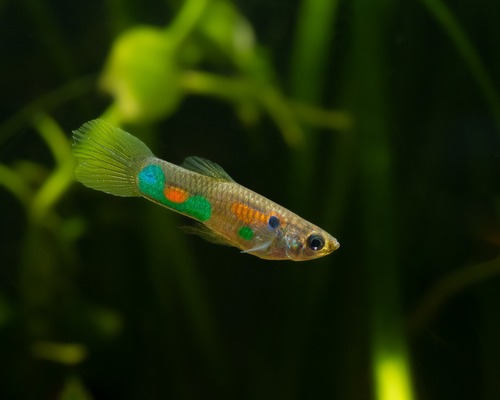
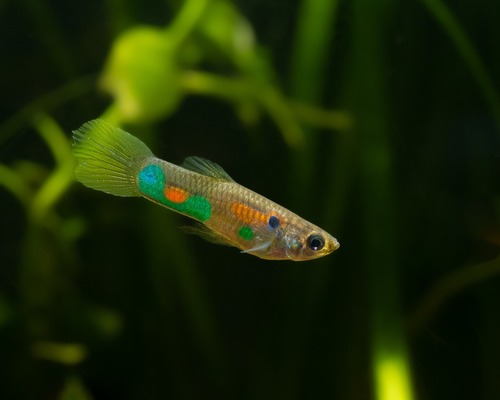
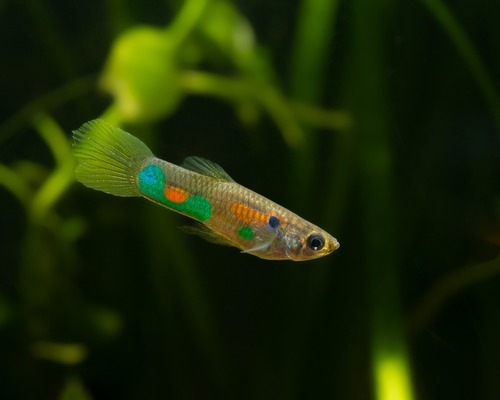
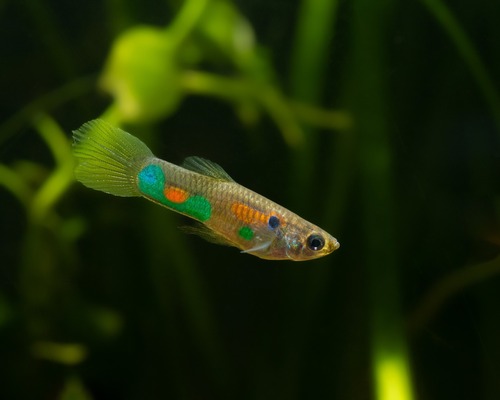
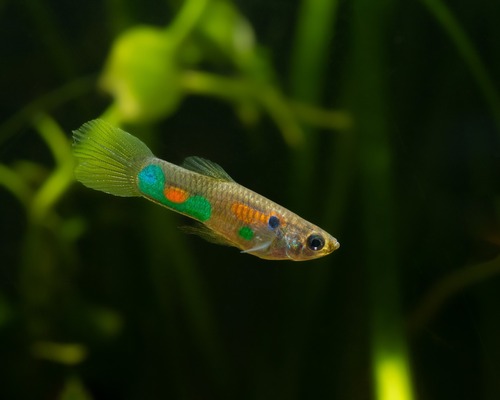
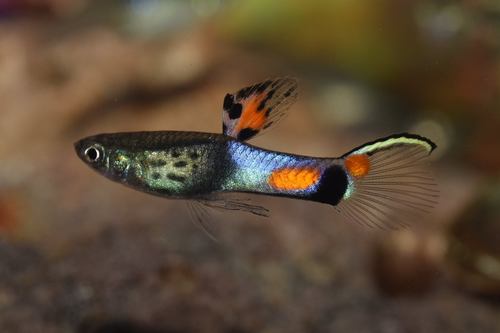
The Japan Blue Guppy Male is a vibrant, bio-secured fish known for its stunning blue coloration.
Pricing for Verified Importers
Log in to see wholesale prices and order.
Export Size
up to 4.0 cm
Origin
Southeast Asia
Temperature
24.0–28.0°C
Min. Tank Size
40 L
pH
6.50–8.00
Diet
omnivore
The Japan Blue Guppy (Poecilia reticulatus) is a captivating freshwater fish native to Southeast Asia, particularly popular in aquariums for its striking appearance and dynamic behavior. This species is renowned for the vivid blue hues displayed by the males, which can vary in intensity and pattern. Their small size and elegant fins make them a delightful addition to any tank, creating a lively and colorful aquatic environment.
In their natural habitat, guppies inhabit slow-moving streams, ponds, and marshes, often in areas with dense vegetation. They thrive in warm, shallow waters, where they feed on algae, small insects, and organic debris. Guppies are livebearers, meaning females give birth to free-swimming young rather than laying eggs, which contributes to their popularity among aquarists who appreciate watching the growth of fry.
Socially, guppies are peaceful and can be kept in groups, making them an excellent choice for community tanks. Their interactive and curious nature often leads them to explore their surroundings, showcasing a variety of behaviors, including courting displays during breeding season. The males are particularly known for their vibrant colors, which they use to attract females, showcasing their health and genetic quality.
Due to their adaptability and resilience, Japan Blue Guppies can thrive in various environments, making them suitable for both novice and experienced aquarists. They are a testament to the biodiversity found in Southeast Asia's freshwater ecosystems and offer an enticing glimpse into the vibrant life of tropical waters.
In their natural habitat, guppies inhabit slow-moving streams, ponds, and marshes, often in areas with dense vegetation. They thrive in warm, shallow waters, where they feed on algae, small insects, and organic debris. Guppies are livebearers, meaning females give birth to free-swimming young rather than laying eggs, which contributes to their popularity among aquarists who appreciate watching the growth of fry.
Socially, guppies are peaceful and can be kept in groups, making them an excellent choice for community tanks. Their interactive and curious nature often leads them to explore their surroundings, showcasing a variety of behaviors, including courting displays during breeding season. The males are particularly known for their vibrant colors, which they use to attract females, showcasing their health and genetic quality.
Due to their adaptability and resilience, Japan Blue Guppies can thrive in various environments, making them suitable for both novice and experienced aquarists. They are a testament to the biodiversity found in Southeast Asia's freshwater ecosystems and offer an enticing glimpse into the vibrant life of tropical waters.
To ensure the health and longevity of Japan Blue Guppies, maintain water parameters within optimal ranges. The ideal temperature for these fish is between 24°C to 28°C, with a pH level between 6.5 and 8.0. Regular water changes and filtration are essential to keep the water clean and reduce toxins. Guppies prefer a well-planted tank with plenty of hiding spots and open swimming areas.
Feeding should consist of a varied diet, including high-quality flake food, frozen or live foods such as brine shrimp, and vegetable matter to ensure a balanced intake of nutrients. They are generally compatible with other peaceful species, but caution should be taken with larger or aggressive fish that might see them as prey.
Acclimation is crucial when introducing guppies to a new environment. Gradually acclimate them to the tank's water conditions over a period of several hours to minimize stress. A quarantine period of at least two weeks is recommended for new arrivals to prevent the spread of disease.
Lastly, regular monitoring of their health and behavior will help detect any issues early, allowing for prompt treatment if necessary.
Feeding should consist of a varied diet, including high-quality flake food, frozen or live foods such as brine shrimp, and vegetable matter to ensure a balanced intake of nutrients. They are generally compatible with other peaceful species, but caution should be taken with larger or aggressive fish that might see them as prey.
Acclimation is crucial when introducing guppies to a new environment. Gradually acclimate them to the tank's water conditions over a period of several hours to minimize stress. A quarantine period of at least two weeks is recommended for new arrivals to prevent the spread of disease.
Lastly, regular monitoring of their health and behavior will help detect any issues early, allowing for prompt treatment if necessary.
Japan Blue Guppies are suitable for shipping, provided they are packed securely in breathable bags with adequate oxygen and water. A packing density of 1-2 fish per liter is recommended to minimize stress during transport. They are sensitive to temperature fluctuations, so shipping should occur within their ideal temperature range of 24°C to 28°C. This species is not listed under CITES, simplifying export regulations.
Species Parameters
Max Adult Size
4.0 cm
Origin
Southeast Asia
Diet
omnivore
Temp Min
24.0 °C
Temp Max
28.0 °C
pH Min
6.50
pH Max
8.00
Min Tank
40 L