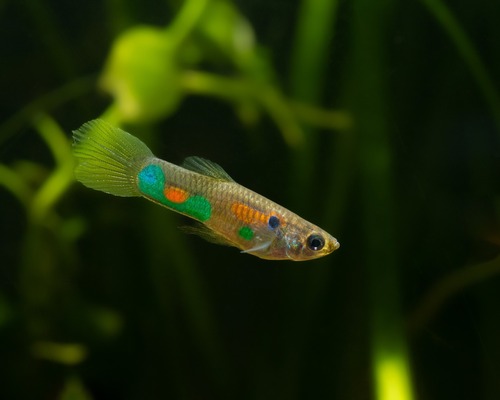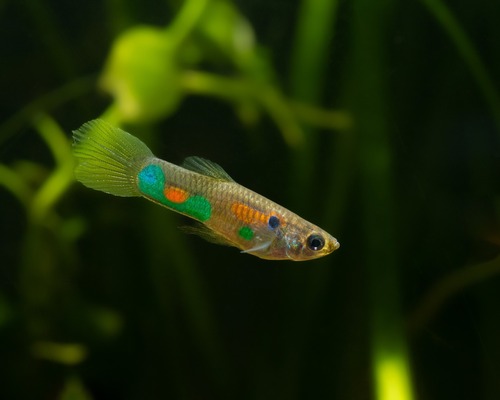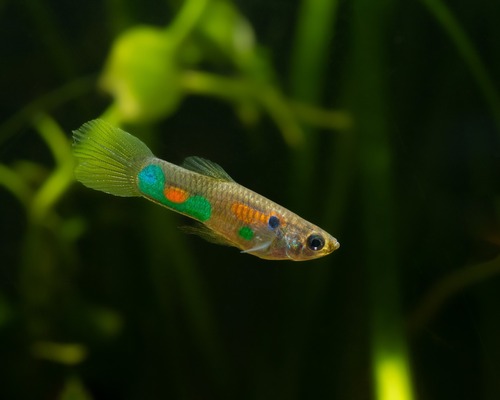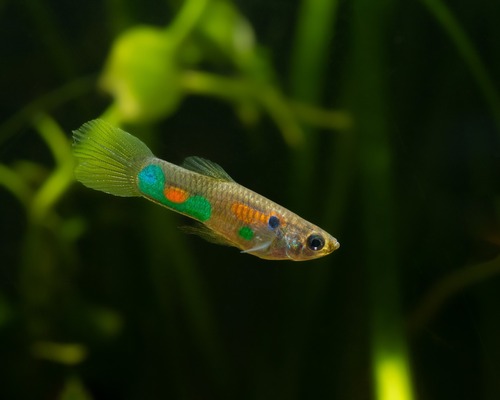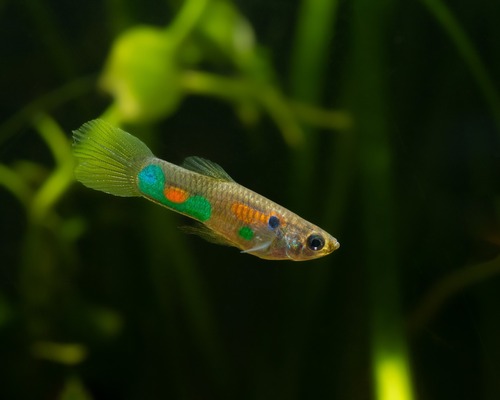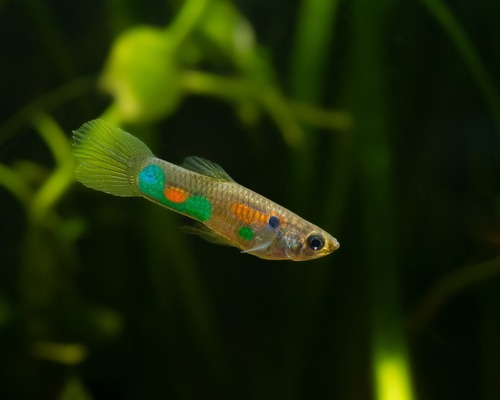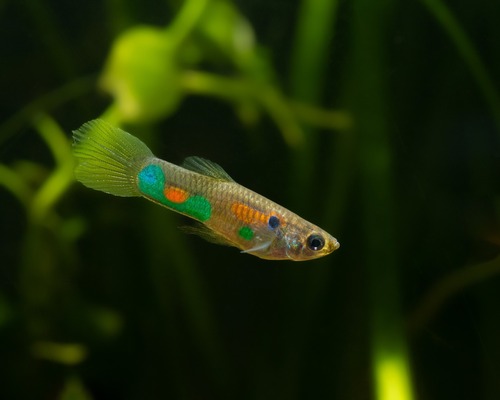
Red Blue Japan Guppy Female
Poecilia reticulatus
In Stock
Common stock
Wild Caught
Easy care
Not Reef Safe
SKU: 01-A-21-135-04
The Red Blue Japan Guppy Female boasts striking colors and lively behavior, perfect for any aquarium.
Pricing for Verified Importers
Log in to see wholesale prices and order.
Export Size
up to 6.0 cm
Origin
Southeast Asia
Temperature
24.0–28.0°C
Min. Tank Size
40 L
pH
6.50–7.50
Diet
omnivore
The Red Blue Japan Guppy Female (Poecilia reticulatus) is a vibrant freshwater fish known for its stunning coloration and active demeanor. This species is a popular choice among aquarists due to its resilience and adaptability, making it an excellent addition to community tanks. The female guppy is particularly distinguished by its soft, flowing fins and the subtle interplay of red and blue hues that can change with lighting and water conditions, giving it a unique charm.
In terms of natural history, guppies are native to freshwater environments in South America and have successfully adapted to varying habitats, from slow-moving streams to densely vegetated ponds. They thrive in warm waters and are often found in large schools, which provide safety in numbers from predators. Their behavior is characterized by a lively, social nature, making them a joy to observe as they swim and interact with one another.
Females tend to be larger than males, reaching up to 6 centimeters in length. Their bodies are more rounded, which is a key characteristic of pregnant fish. The Red Blue Japan Guppy Female exhibits maternal behavior, often showing signs of nesting as she prepares for spawning. In a well-maintained aquarium, these fish will display their natural behaviors, contributing to a vibrant ecosystem.
The habitat of the Red Blue Japan Guppy varies, but they prefer warm, well-planted tanks with plenty of hiding spots. Providing a balanced environment with gentle filtration and proper lighting will help maintain their health and enhance their colors. With proper care and conditions, these fish can live up to 3 years or more, delighting aquarists with their beauty and playfulness.
In terms of natural history, guppies are native to freshwater environments in South America and have successfully adapted to varying habitats, from slow-moving streams to densely vegetated ponds. They thrive in warm waters and are often found in large schools, which provide safety in numbers from predators. Their behavior is characterized by a lively, social nature, making them a joy to observe as they swim and interact with one another.
Females tend to be larger than males, reaching up to 6 centimeters in length. Their bodies are more rounded, which is a key characteristic of pregnant fish. The Red Blue Japan Guppy Female exhibits maternal behavior, often showing signs of nesting as she prepares for spawning. In a well-maintained aquarium, these fish will display their natural behaviors, contributing to a vibrant ecosystem.
The habitat of the Red Blue Japan Guppy varies, but they prefer warm, well-planted tanks with plenty of hiding spots. Providing a balanced environment with gentle filtration and proper lighting will help maintain their health and enhance their colors. With proper care and conditions, these fish can live up to 3 years or more, delighting aquarists with their beauty and playfulness.
To ensure the health and longevity of the Red Blue Japan Guppy Female, maintaining appropriate water parameters is essential. The ideal temperature range is 24-28°C, with a pH between 6.5 and 7.5. Regular water changes and monitoring of ammonia and nitrate levels are crucial, as guppies are sensitive to poor water quality.
Feeding these fish is relatively easy, as they are omnivorous and will accept a variety of foods, including high-quality flakes, pellets, and occasional live or frozen foods like brine shrimp and bloodworms. A varied diet helps promote vibrant colors and overall health.
Compatibility is also an important consideration; guppies are generally peaceful and can coexist with other community fish, but avoid aggressive species that may harass them. When introducing new guppies, acclimation is necessary to prevent shock; float the sealed bag in the aquarium for 15-20 minutes before gradually mixing tank water into the bag.
Quarantine new arrivals for at least two weeks to monitor for disease before adding them to the main tank. This precaution helps to prevent the spread of any potential pathogens and ensures a healthy environment for your existing stock.
Feeding these fish is relatively easy, as they are omnivorous and will accept a variety of foods, including high-quality flakes, pellets, and occasional live or frozen foods like brine shrimp and bloodworms. A varied diet helps promote vibrant colors and overall health.
Compatibility is also an important consideration; guppies are generally peaceful and can coexist with other community fish, but avoid aggressive species that may harass them. When introducing new guppies, acclimation is necessary to prevent shock; float the sealed bag in the aquarium for 15-20 minutes before gradually mixing tank water into the bag.
Quarantine new arrivals for at least two weeks to monitor for disease before adding them to the main tank. This precaution helps to prevent the spread of any potential pathogens and ensures a healthy environment for your existing stock.
The Red Blue Japan Guppy Female is well-suited for shipping, requiring careful packing to ensure their safety during transit. Optimal packing density is 1-2 fish per liter to minimize stress. Maintain a shipping temperature of 24-28°C, as they are sensitive to extreme temperatures. CITES status does not apply to this species, simplifying export regulations.
Species Parameters
Max Adult Size
6.0 cm
Origin
Southeast Asia
Diet
omnivore
Temp Min
24.0 °C
Temp Max
28.0 °C
pH Min
6.50
pH Max
7.50
Min Tank
40 L