Marbled headstander
Abramites hypselonotus
Out of Stock
Scarce stock
Wild Caught
Moderate care
Not Reef Safe
SKU: 01-A-13-003-07
The Marbled headstander showcases a unique coloration and captivating swimming behavior.
Pricing for Verified Importers
Log in to see wholesale prices and order.
Export Size
up to 15.0 cm
Origin
Amazon Basin
Temperature
24.0–28.0°C
Min. Tank Size
150 L
pH
6.50–7.50
Diet
omnivore
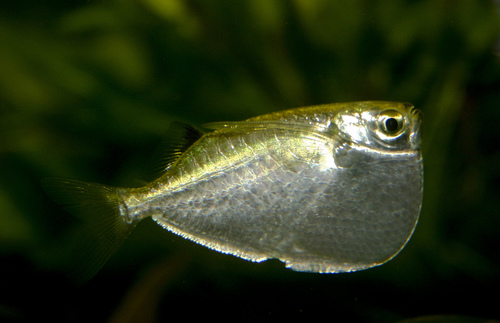
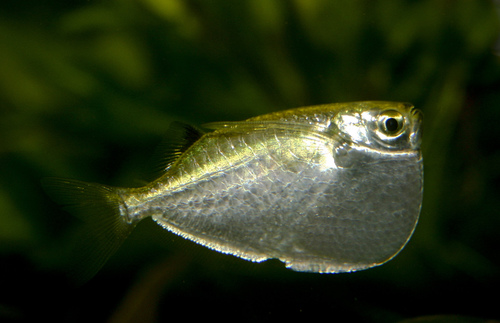
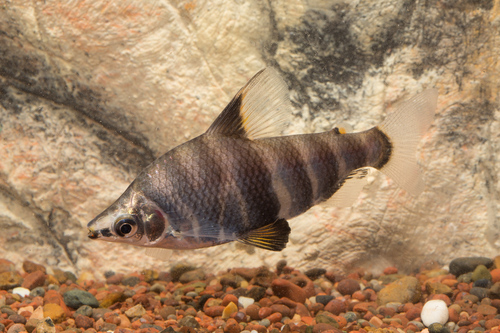
The Marbled headstander (Abramites hypselonotus) is a captivating freshwater fish native to the rivers of the Amazon Basin. Known for its striking marbled pattern, this species features a combination of earthy tones that provide excellent camouflage among the riverbed substrates. Adult Marbled headstanders typically exhibit a slender body shape, tapering towards the tail, which enhances their agile swimming capabilities. Their dorsal and anal fins are elongated, contributing to their distinctive profile in the water.
In terms of behavior, Marbled headstanders are social creatures that thrive in groups, often seen swimming in unison during feeding times or while exploring their environment. This schooling behavior not only enhances their safety from predators but also makes them a visually stunning addition to any aquarium setting. They are primarily diurnal, being most active during daylight hours, which allows for optimal viewing opportunities in a well-lit aquarium.
In the wild, Marbled headstanders inhabit slow-moving waters, including streams and rivers with plenty of vegetation and submerged structures. These habitats provide essential cover and foraging grounds, as they feed on a variety of plant matter and small invertebrates. Maintaining a naturalistic environment in captivity that mimics their native habitat can significantly enhance their well-being and coloration.
Due to their unique appearance and engaging behavior, Marbled headstanders are increasingly popular among aquarists. However, their specific care requirements must be understood to ensure a healthy and thriving population in both retail and home aquariums.
In terms of behavior, Marbled headstanders are social creatures that thrive in groups, often seen swimming in unison during feeding times or while exploring their environment. This schooling behavior not only enhances their safety from predators but also makes them a visually stunning addition to any aquarium setting. They are primarily diurnal, being most active during daylight hours, which allows for optimal viewing opportunities in a well-lit aquarium.
In the wild, Marbled headstanders inhabit slow-moving waters, including streams and rivers with plenty of vegetation and submerged structures. These habitats provide essential cover and foraging grounds, as they feed on a variety of plant matter and small invertebrates. Maintaining a naturalistic environment in captivity that mimics their native habitat can significantly enhance their well-being and coloration.
Due to their unique appearance and engaging behavior, Marbled headstanders are increasingly popular among aquarists. However, their specific care requirements must be understood to ensure a healthy and thriving population in both retail and home aquariums.
To successfully care for Marbled headstanders, it is essential to replicate their natural habitat as closely as possible. The ideal water parameters include a temperature range of 24-28°C, a pH level between 6.5 and 7.5, and a soft to moderately hard water composition. A minimum tank size of 150 liters is recommended to accommodate their schooling behavior and provide ample swimming space.
Feeding Marbled headstanders requires a varied diet that includes high-quality flake foods, sinking pellets, and occasional live or frozen foods like brine shrimp and bloodworms. These fish are omnivorous and appreciate the addition of blanched vegetables such as spinach and zucchini, which contribute to their overall health.
Marbled headstanders are generally peaceful and can be housed with other non-aggressive species. However, caution should be exercised when introducing them to tanks with smaller fish that might be viewed as prey. Acclimation should be done slowly, ideally over several hours, to minimize stress. Quarantine new arrivals for at least two weeks to prevent the introduction of diseases into the main tank. Regular water changes and proper filtration are crucial for maintaining water quality.
Feeding Marbled headstanders requires a varied diet that includes high-quality flake foods, sinking pellets, and occasional live or frozen foods like brine shrimp and bloodworms. These fish are omnivorous and appreciate the addition of blanched vegetables such as spinach and zucchini, which contribute to their overall health.
Marbled headstanders are generally peaceful and can be housed with other non-aggressive species. However, caution should be exercised when introducing them to tanks with smaller fish that might be viewed as prey. Acclimation should be done slowly, ideally over several hours, to minimize stress. Quarantine new arrivals for at least two weeks to prevent the introduction of diseases into the main tank. Regular water changes and proper filtration are crucial for maintaining water quality.
Marbled headstanders are suitable for shipping due to their hardiness. When packing for transport, a density of 1 fish per 2 liters is recommended to ensure adequate space and minimize stress. They are sensitive to temperature fluctuations, so maintaining a stable environment during transit is crucial. As a freshwater species, they are not listed under CITES, simplifying export regulations.
Species Parameters
Max Adult Size
15.0 cm
Origin
Amazon Basin
Diet
omnivore
Temp Min
24.0 °C
Temp Max
28.0 °C
pH Min
6.50
pH Max
7.50
Min Tank
150 L