Tanganyika killifish
Lamprichthys Tanganicanus
In Stock
Common stock
Wild Caught
Moderate care
Not Reef Safe
SKU: 01-A-16-009-04
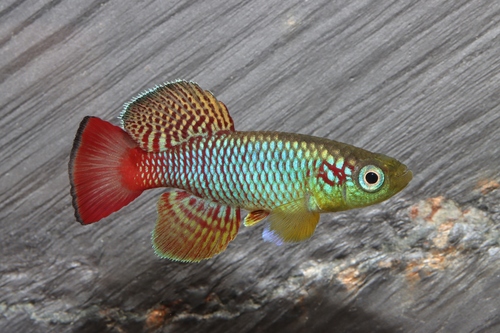
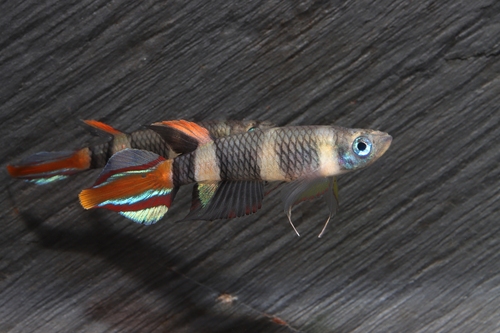
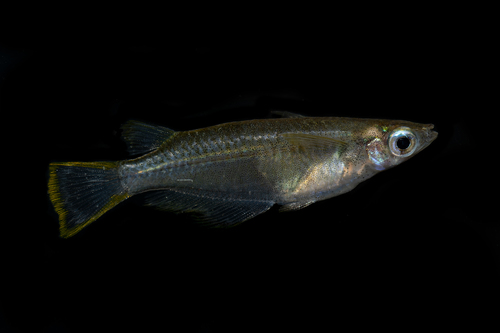
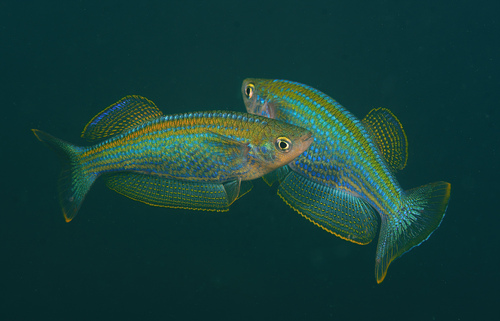
The Tanganyika killifish is a vibrant freshwater fish known for its unique breeding behavior and striking appearance.
Pricing for Verified Importers
Log in to see wholesale prices and order.
Export Size
up to 10.0 cm
Origin
African Great Lakes
Temperature
24.0–28.0°C
Min. Tank Size
100 L
pH
7.50–8.50
Diet
omnivore
The Tanganyika killifish (Lamprichthys tanganicanus) is a captivating species native to the freshwater lakes of the African Great Lakes region, particularly Lake Tanganyika. This species is renowned for its vivid coloration, which can range from bright blues to yellows and oranges, making it a popular choice for aquarists looking to add a splash of color to their tanks. The male Tanganyika killifish typically exhibits more vibrant colors and elongated fins compared to the females, aiding in their mating rituals.
In terms of behavior, the Tanganyika killifish is known for its unique breeding practices, often forming temporary pair bonds during the breeding season. These fish are generally peaceful but can exhibit territorial behavior, particularly males during the breeding season. They thrive in well-structured environments with plenty of hiding spaces, mimicking their natural habitat where they inhabit rocky substrates and vegetation along the shores of Lake Tanganyika.
Habitat-wise, the Tanganyika killifish prefers warm waters with stable temperatures and good water quality. They are typically found at depths of around 2 to 10 meters, where they can find refuge among rocks and plants. These conditions need to be replicated in captivity to ensure their health and well-being.
Overall, the Tanganyika killifish is an intriguing species that brings beauty and activity to any freshwater aquarium, making it a favorite among both novice and experienced aquarists.
In terms of behavior, the Tanganyika killifish is known for its unique breeding practices, often forming temporary pair bonds during the breeding season. These fish are generally peaceful but can exhibit territorial behavior, particularly males during the breeding season. They thrive in well-structured environments with plenty of hiding spaces, mimicking their natural habitat where they inhabit rocky substrates and vegetation along the shores of Lake Tanganyika.
Habitat-wise, the Tanganyika killifish prefers warm waters with stable temperatures and good water quality. They are typically found at depths of around 2 to 10 meters, where they can find refuge among rocks and plants. These conditions need to be replicated in captivity to ensure their health and well-being.
Overall, the Tanganyika killifish is an intriguing species that brings beauty and activity to any freshwater aquarium, making it a favorite among both novice and experienced aquarists.
For optimal care of the Tanganyika killifish, it is crucial to maintain stable water parameters. Ideally, the water temperature should be kept between 24°C to 28°C, with a pH range of 7.5 to 8.5, and a hardness of 10 to 20 dGH. Regular water changes and high-quality filtration are necessary to keep the water clean and oxygenated.
Feeding should consist of high-quality pellets, live or frozen foods such as brine shrimp and daphnia, and occasional vegetable matter to ensure a well-rounded diet. Compatibility with other species should be considered, as they can be territorial; it is recommended to house them with similarly sized, peaceful species.
When acclimating the Tanganyika killifish, it is crucial to introduce them slowly to prevent stress. A quarantine period of at least two weeks is also advisable to monitor for any signs of illness before introducing them to the main tank. This will help maintain the health of both the new arrivals and the existing inhabitants of the aquarium.
Feeding should consist of high-quality pellets, live or frozen foods such as brine shrimp and daphnia, and occasional vegetable matter to ensure a well-rounded diet. Compatibility with other species should be considered, as they can be territorial; it is recommended to house them with similarly sized, peaceful species.
When acclimating the Tanganyika killifish, it is crucial to introduce them slowly to prevent stress. A quarantine period of at least two weeks is also advisable to monitor for any signs of illness before introducing them to the main tank. This will help maintain the health of both the new arrivals and the existing inhabitants of the aquarium.
The Tanganyika killifish is suitable for shipping, provided they are packed securely to minimize stress during transit. A packing density of 1 fish per liter is recommended to ensure ample space for movement. These fish are sensitive to temperature fluctuations, so maintaining a stable temperature between 24°C and 28°C during shipping is essential. As of now, there are no CITES restrictions on this species, allowing for easier export.
Species Parameters
Max Adult Size
10.0 cm
Origin
African Great Lakes
Diet
omnivore
Temp Min
24.0 °C
Temp Max
28.0 °C
pH Min
7.50
pH Max
8.50
Min Tank
100 L