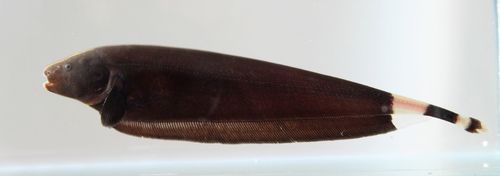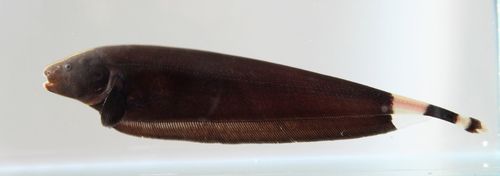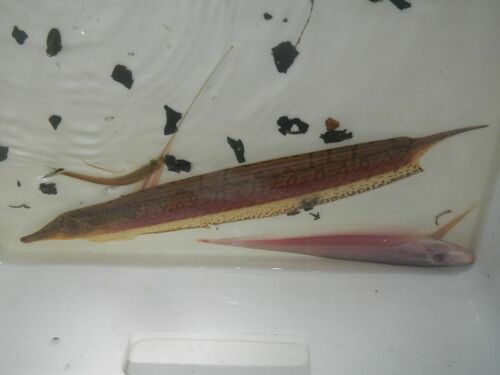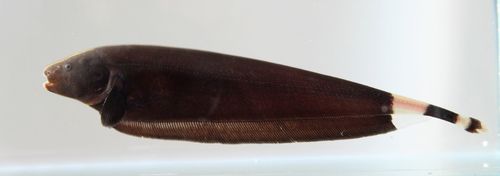
Clown Knife Fish
Chitala ornata
Out of Stock
Scarce stock
Wild Caught
Moderate care
Not Reef Safe
SKU: 01-A-27-004-04
The Clown Knife Fish is a striking nocturnal predator, ideal for large aquariums.
Pricing for Verified Importers
Log in to see wholesale prices and order.
Export Size
up to 100.0 cm
Origin
Southeast Asia
Temperature
24.0–28.0°C
Min. Tank Size
400 L
pH
6.50–7.50
Diet
carnivore
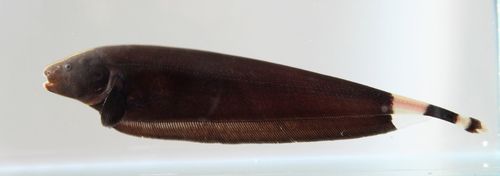
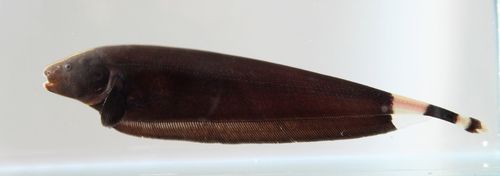
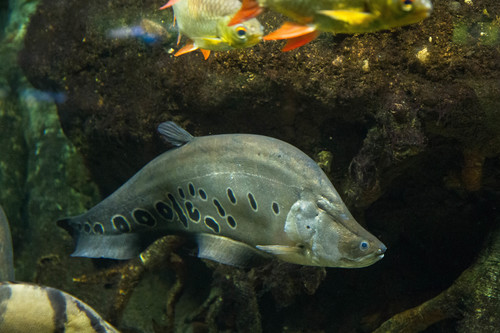
The Clown Knife Fish (Chitala ornata), also known as the Clown Featherback, is a captivating freshwater species renowned for its elongated, knife-like body and unique coloration. This species is native to the freshwater habitats of Southeast Asia, including countries like Cambodia, Thailand, and Vietnam. It displays a series of distinctive spots along its body, providing it with excellent camouflage among aquatic vegetation and substrate in its natural habitat. Reaching lengths of up to 1 meter (3.3 feet), this fish is a notable presence in both aquaculture and the aquarium trade, although it is often confused with the rarer Chitala chitala.
In the wild, the Clown Knife Fish is primarily nocturnal, becoming active at dusk and hunting for smaller fish and invertebrates. It uses its highly developed electrical senses to locate prey in dark waters, making it a fascinating species for observation. As a predator, it plays a crucial role in the ecosystem, helping to regulate fish populations in its habitat. The Clown Knife Fish is also known for its peaceful nature when kept with appropriately sized tank mates, contributing to its popularity among aquarists.
In terms of habitat, the Clown Knife Fish prefers slow-moving rivers, ponds, and swamps that are rich in vegetation. These environments provide ample hiding spots and breeding grounds. However, due to its invasive nature, it has been introduced to various regions outside its native range, causing ecological concerns. As such, its management in the aquarium trade must be approached with responsibility to prevent further ecological disturbances.
This species is particularly admired for its striking appearance and fascinating behaviors, making it a sought-after addition to large aquariums. However, potential buyers should be aware of its size and specific care requirements to ensure a healthy and thriving environment for this unique fish.
In the wild, the Clown Knife Fish is primarily nocturnal, becoming active at dusk and hunting for smaller fish and invertebrates. It uses its highly developed electrical senses to locate prey in dark waters, making it a fascinating species for observation. As a predator, it plays a crucial role in the ecosystem, helping to regulate fish populations in its habitat. The Clown Knife Fish is also known for its peaceful nature when kept with appropriately sized tank mates, contributing to its popularity among aquarists.
In terms of habitat, the Clown Knife Fish prefers slow-moving rivers, ponds, and swamps that are rich in vegetation. These environments provide ample hiding spots and breeding grounds. However, due to its invasive nature, it has been introduced to various regions outside its native range, causing ecological concerns. As such, its management in the aquarium trade must be approached with responsibility to prevent further ecological disturbances.
This species is particularly admired for its striking appearance and fascinating behaviors, making it a sought-after addition to large aquariums. However, potential buyers should be aware of its size and specific care requirements to ensure a healthy and thriving environment for this unique fish.
To successfully care for the Clown Knife Fish, it is essential to maintain appropriate water parameters. Ideal temperature ranges from 24°C to 28°C (75°F to 82°F), with a pH level between 6.5 and 7.5. Since they are freshwater fish, salinity levels should remain at 0 ppt. A minimum tank size of 400 liters is recommended to accommodate their adult size and swimming needs.
Feeding the Clown Knife Fish involves providing a varied diet of high-quality pellets, live or frozen foods such as shrimp, worms, and small fish. They are carnivorous by nature, so ensuring a protein-rich diet is crucial for their health and vitality. It is also important to avoid overcrowding in the tank, as this can lead to stress and health issues.
When introducing Clown Knife Fish to a new aquarium, gradual acclimation is necessary to help them adapt to new water conditions. Quarantine procedures should be followed for new arrivals to prevent the spread of diseases. As for compatibility, they can coexist with other larger, peaceful fish, but care should be taken to avoid smaller species that may be seen as prey. Overall, providing a spacious, well-planted environment with clean water will promote a healthy and comfortable habitat for the Clown Knife Fish.
Feeding the Clown Knife Fish involves providing a varied diet of high-quality pellets, live or frozen foods such as shrimp, worms, and small fish. They are carnivorous by nature, so ensuring a protein-rich diet is crucial for their health and vitality. It is also important to avoid overcrowding in the tank, as this can lead to stress and health issues.
When introducing Clown Knife Fish to a new aquarium, gradual acclimation is necessary to help them adapt to new water conditions. Quarantine procedures should be followed for new arrivals to prevent the spread of diseases. As for compatibility, they can coexist with other larger, peaceful fish, but care should be taken to avoid smaller species that may be seen as prey. Overall, providing a spacious, well-planted environment with clean water will promote a healthy and comfortable habitat for the Clown Knife Fish.
The Clown Knife Fish is suitable for shipping due to its robust nature, but care must be taken with packing density to avoid stress during transit. Optimal shipping temperatures should be maintained between 24°C and 28°C (75°F to 82°F). This species is not listed under CITES, simplifying shipping regulations. Ensure adequate aeration and space to minimize movement during transport.
Species Parameters
Max Adult Size
100.0 cm
Origin
Southeast Asia
Diet
carnivore
Temp Min
24.0 °C
Temp Max
28.0 °C
pH Min
6.50
pH Max
7.50
Min Tank
400 L